What Does Agentforce Mean For Your AppExchange Apps?

TL;DR:
Agentforce brings a natural language interface to Salesforce, transforming how you interact with your automations and AppExchange apps. It doesn’t replace existing tools like Q-Assign but enhances them by making their Actions easier to access and deploy. With Agentforce, the specialized processes and automations you’ve painstakingly built or purchased from the AppExchange remain just as valuable, but now you can call on them with conversational commands.
Agentforce and the Impact on Your AppExchange Apps
Agentforce has launched, and Salesforce will never be the same again – or so it might seem after the buzz from Dreamforce. While it may feel like Agentforce is about to replace large parts of your tech stack, that’s not quite the case. Instead, Agentforce is here to supercharge what you already have. Let’s break down what Agentforce does, what it doesn’t do, and how it unlocks even greater value from tools like Q-Assign and other AppExchange apps.
What Does Agentforce Do?
At its core, Agentforce is a chatbot integrated with Salesforce, much like ChatGPT but optimized for your CRM environment. It can interact with Salesforce data and perform tasks via automations or apps, making it accessible from platforms like Slack, Teams, or directly through Salesforce.
Agentforce’s real magic lies in its ability to trigger Agent Actions, which are predefined automations created using tools like Salesforce Flows, Apex code, or processes provided by your AppExchange apps. For example, whether you’re scheduling an appointment or generating a custom proposal, Agentforce identifies and executes the appropriate Action.
Key Benefits of Agentforce
- Natural Language Interface for Automation
Agentforce allows you to interact with automations or software modules in plain language. This means that whether you’re accessing custom Apex code or pre-built AppExchange Actions like those from Q-Assign, you can do so without navigating complex menus. - Automation Selection and Execution
The system identifies and executes the right Actions at the right time, effectively becoming a virtual operator pressing the buttons for you.
A Library of Actions
Here’s a key distinction: Agentforce doesn’t create automations or Flows – it leverages what you’ve already built or installed. For instance, the ability to schedule appointments or triage cases still relies on specialized processes. These processes can be painstakingly custom-built or come pre-packaged in AppExchange apps like Q-Assign.
Having a robust library of Actions ready to go is crucial to getting the full potential of Agentforce. Imagine these as the gears behind the scenes, each built to address a specific business challenge. Here are a few examples:
- Sending a quote email to a client.
- Generating a stock-level report.
- Assigning cases to the right agent.
The brilliance of Agentforce lies in how easily you can now trigger these Actions using its natural language interface.
Where AppExchange Apps Fit In
When it comes to AppExchange apps, Agentforce takes their value to the next level. Pre-packaged specialized processes – like those in Q-Assign – are now more accessible than ever. With Agentforce, ISVs can potentially expose all of their app’s functionalities as callable Actions.
Take Q-Assign, for example. It excels at managing high volumes of inbound cases with features like:
- Triage and prioritization of cases based on sentiment.
- Automated case deflection for low-complexity queries.
- Assigning cases to the most appropriate representative.
- Following up with clients through pre-set workflows.
These pre-built processes remain as critical as ever, saving you from the effort of building them from scratch. What’s changed is how effortlessly Agentforce lets you deploy them via conversational commands.
Q-assign and Agentforce | A Demo
Agentforce as a Customer-Facing Chatbot
While we’ve focused on Agentforce as an internally-facing tool, it can also be deployed externally as an AI chatbot for customer interactions. By guiding customers through more streamlined processes, Agentforce delivers an altogether better customer experience – but only if the underlying Actions are set up in Salesforce beforehand.
Summing Up
Agentforce is a game-changer for Salesforce users, but it’s not here to replace the specialized processes and automations you’ve invested in. Instead, it provides a new and powerful way to interact with those tools, making them more accessible and intuitive than ever before. Whether you’re leveraging Q-Assign for advanced case management or any other AppExchange app, the value remains the same. Agentforce just makes it easier to unlock.
With the right library of Actions and AppExchange apps at your disposal, Agentforce can take your Salesforce workflows to new heights. The tools haven’t changed – but how you use them just got a whole lot better.
Related insights
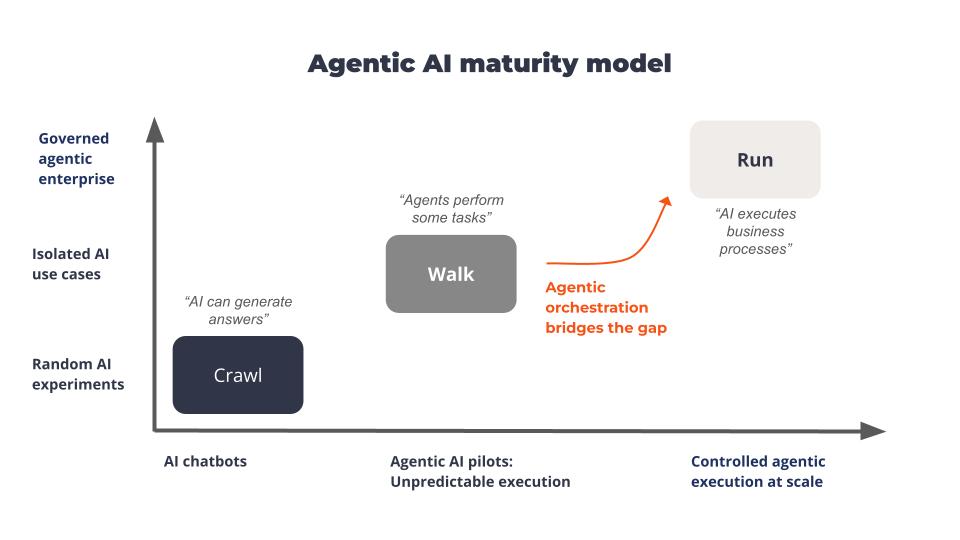
Agentforce Is Advancing But Execution Still Lacks Control in 2026
Agentforce is advancing, but not scaling. Here’s why execution, control, and orchestration are the real blockers to agentic AI in Salesforce.
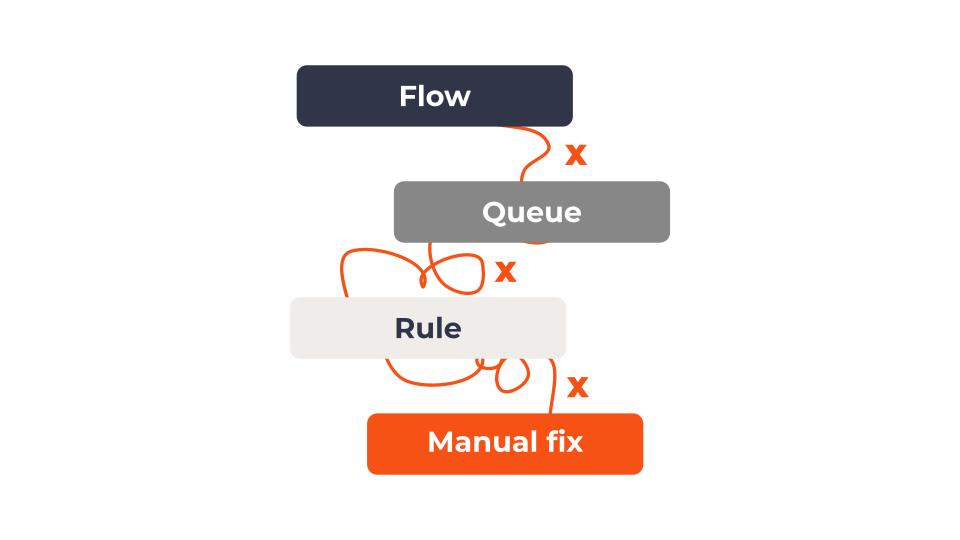
Salesforce Workflows Don’t Need More Automation and AI, They Need Control
Adding more flows and rules doesn’t fix Salesforce workflows. It creates complexity. Here’s why systems become harder to manage, and why issues keep coming back.

How to Use Governed AI in Salesforce and Keep Control
This article explains how to balance AI automation and human oversight within Salesforce workflows to prevent operational risks.
READY TO SEE IT IN ACTION
Map your workflows with our team.
30 minutes, no prep needed. We will map one workflow you handle today and identify where orchestration would change the outcome.