Creating Effective Case Assignment Rules to Boost Productivity and Customer Satisfaction

Efficient case management is the backbone of exceptional customer service. Your team can operate like a well-oiled machine when cases are assigned to the right people at the right time. This ensures faster resolutions, balances workloads, and keeps your customers happy. For the full picture, see case assignment in Salesforce.
But what’s the secret to getting it right? Thoughtfully designed case assignment rules can transform your processes, while the right tools make managing them a breeze. This post will explore how to create effective case assignment rules, avoid common pitfalls, and leverage tools like Ortoo to optimize your workflow in Salesforce.
Why Case Assignment Rules Matter
Picture this: A high-priority customer case sits untouched in a generic queue because no one knows who should handle it. Meanwhile, your support team is overloaded with unevenly distributed cases, leading to frustrated agents and customers.
This scenario highlights the importance of case assignment rules. Without them, inefficiency can creep in, response times lag, and customers may lose faith in your service. Conversely, well-structured rules can:
- Match cases to the right agents faster.
- Reduce manual effort and errors.
- Prevent agent burnout through balanced workloads.
Smart case assignments don’t just keep things moving, they directly impact the quality of your service and your bottom line. A McKinsey study found that optimized call routing can increase first call resolution by 10-15% while reducing handle time by 25%. Over time, this efficiency lowers costs and increases customer satisfaction.
The Anatomy of Effective Case Assignment Rules
Crafting effective assignment rules starts with understanding what makes them work. Here are four key elements to consider:
1. Criteria-Based Assignments
Use specific parameters, like case origin, product line, or customer tier, to route cases to the right queues or agents. For example, high-priority cases can be assigned to senior agents, while queries about specific products go to specialists.
2. Fair Workload Distribution
Overloading certain agents while others sit idle can create frustration and inefficiency. Incorporating round-robin or load-balancing methods ensures an even distribution of cases across your team.
3. Skills-Based Assignments
Matching cases to agents with relevant expertise significantly reduces resolution times. For example, a technical query should go to someone with the necessary technical knowledge rather than a generalist.
4. Escalation Paths
Not every case is resolved immediately. Establish clear escalation rules for unresolved or ignored cases to ensure they get the needed attention.
How Ortoo Enhances Case Assignment in Salesforce
Manually managing case assignments can quickly become overwhelming – especially as your business grows. That’s where Ortoo comes in.
Ortoo simplifies and automates case assignments in Salesforce, helping teams achieve peak efficiency. Here’s how:
- Round-Robin Distribution: Evenly allocate cases among agents to prevent bottlenecks and burnout.
- Intelligent Routing: Assign cases based on agent skills, availability, and workload for faster resolutions.
- Performance Tracking: Monitor case handling metrics to identify bottlenecks and optimize rules over time.
By eliminating manual errors and delays in traditional assignment methods, Ortoo ensures that every case reaches the right agent without unnecessary effort.
See an introduction to Case Assignment in Salesforce with Ortoo.
Best Practices for Creating Assignment Rules
Creating assignment rules that work requires a combination of thoughtful planning and continuous improvement. Here are five tips to help you get started:
- Define Clear Objectives:
Before building your rules, determine what success looks like. Do you want to reduce response times, improve workload balance, or enhance customer satisfaction? - Leverage Historical Data:
Use data from past cases to identify trends, bottlenecks, and agent strengths. This can help you design rules tailored to your team’s unique dynamics. - Prioritize Scalability:
Your business will grow, and so will the volume of cases. Create rules that can adapt to new team members, products, or service lines without requiring frequent overhauls. - Test and Optimize:
No rule is perfect on the first try. Regularly review performance metrics to spot inefficiencies and tweak your rules accordingly. - Train Your Team:
Make sure your agents understand how the assignment process works and what’s expected of them. Clear communication can prevent confusion and set everyone up for success.
Creating effective case assignment rules isn’t just about improving efficiency, it’s about enhancing the customer experience and empowering your team to do their best work. Implementing these best practices and leveraging tools like Ortoo can transform your case management processes for long-term success.
Are you ready to take your case assignment process to the next level? Learn more about how Ortoo can help streamline your workflow and supercharge your customer service Q-assign and Case Orchestrator.
Related insights
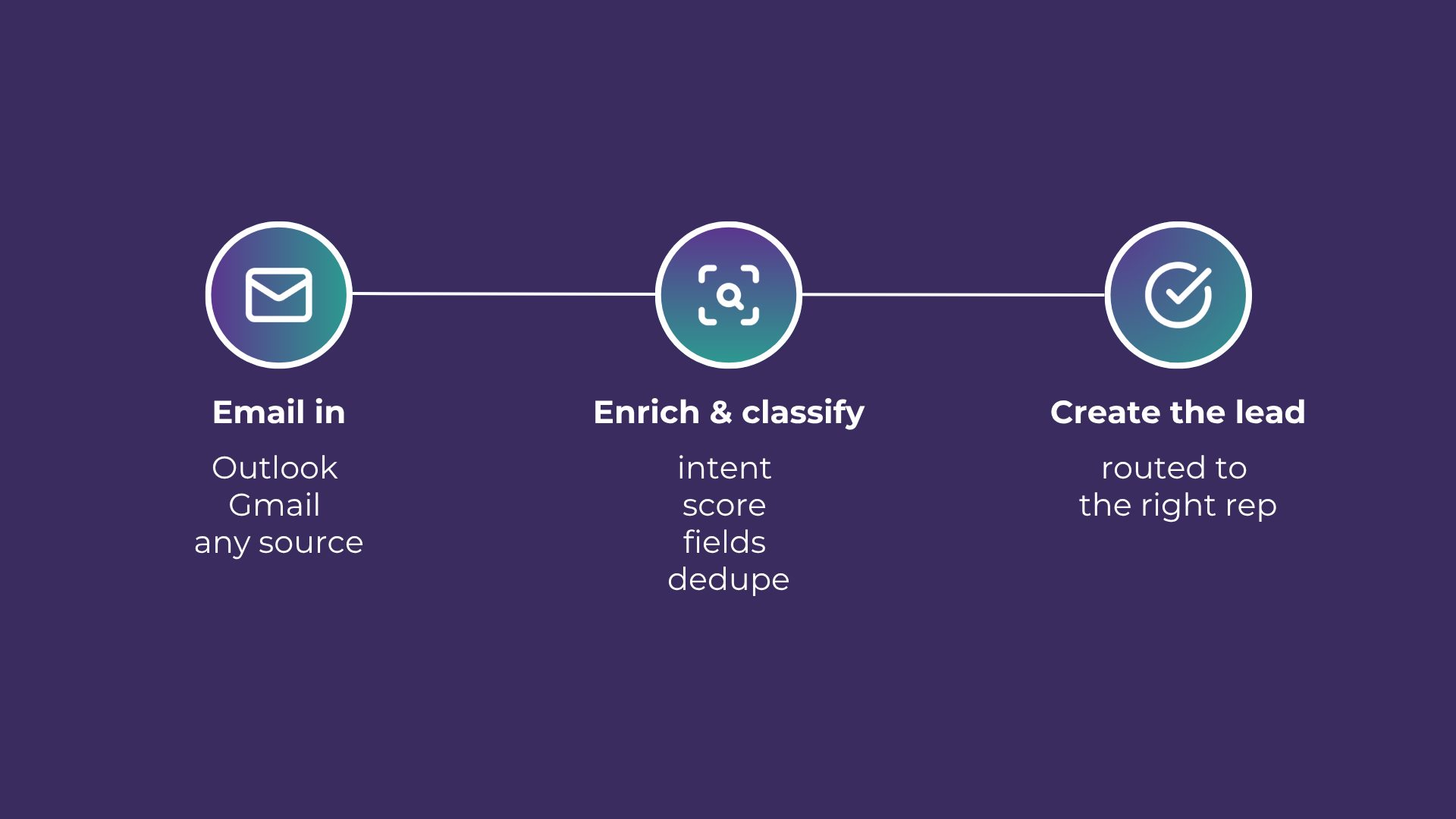
Email-to-Lead: Salesforce Lead Management with AI
Lead management is the lifeblood of any successful sales operation. At a time where customer expectations are higher than ever, ensuring that potential leads are captured and nurtured effectively can make all the difference. Introducing Email-to-Lead – AI Edition.
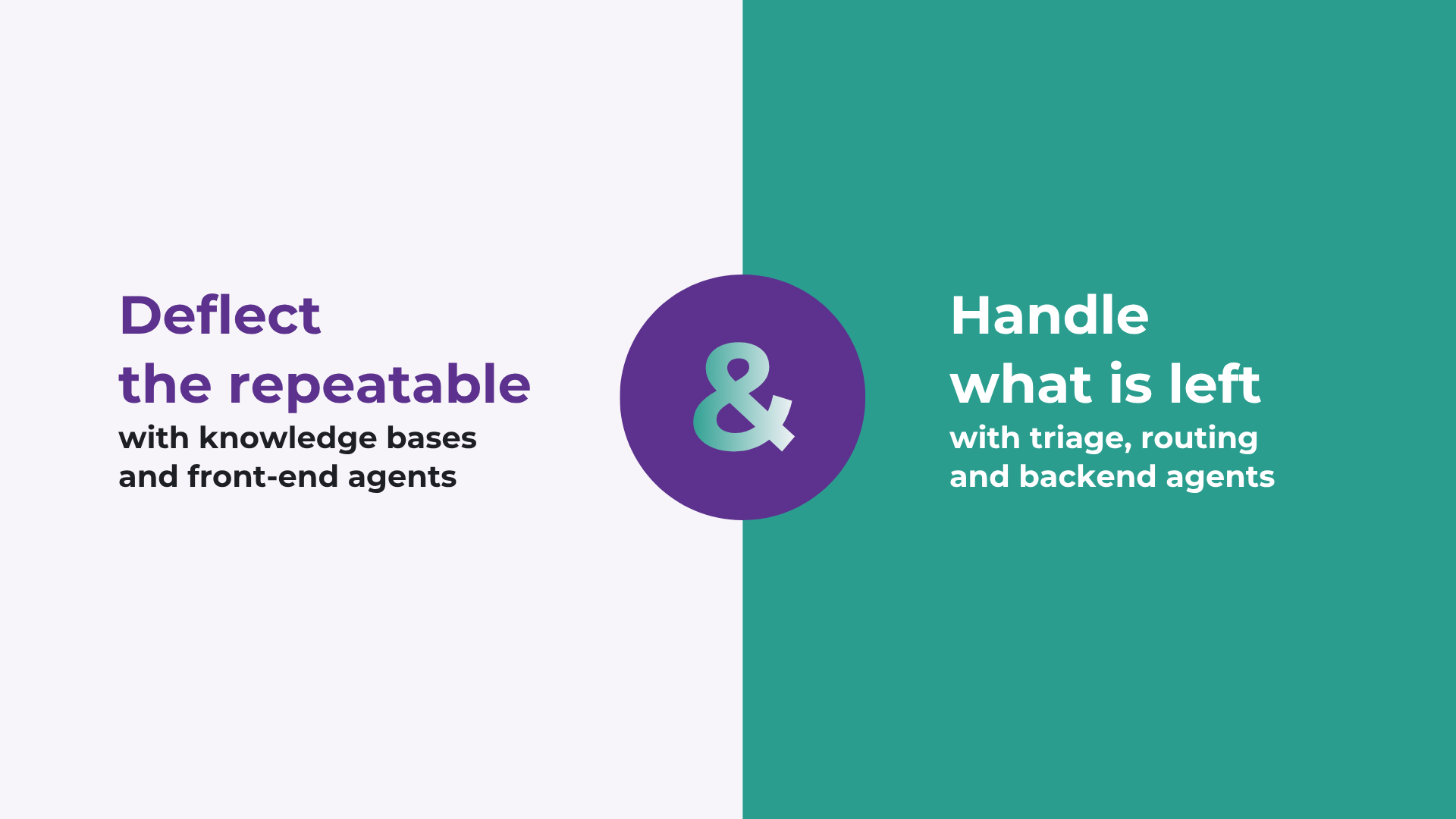
How to improve Salesforce case deflection rates
Deflection only solves half the problem. The cases that do not deflect are the ones that breach SLA. How to improve deflection rates, and how to handle what is left.

Stopping SLA Breaches in High Volume Salesforce Workflows
Learn how to move from reactive reporting to proactive management for better service level agreement adherence.
READY TO SEE IT IN ACTION
Map your workflows with our team.
30 minutes, no prep needed. We will map one workflow you handle today and identify where orchestration would change the outcome.