The Real Bottleneck in Salesforce Is Not Volume It Is Trust

The Misdiagnosis of High-Volume Workflows
In any busy operations hub – from a contact centre handling thousands of cases to a logistics team managing shipments – success is measured by throughput. When things slow down the immediate blame almost always falls on volume. A sudden spike in leads or service requests is an easy explanation for missed SLAs and growing backlogs. But this is often a misdiagnosis.
High volumes do not break a well-designed system. Instead they expose a deeper and more corrosive problem: a lack of trust. When teams do not trust the process the data or each other they introduce friction. This friction looks like agents manually verifying record details they believe are outdated. It sounds like managers chasing status updates in Slack because they cannot see progress in the system. These small acts of mistrust accumulate creating a drag on the entire operation.
This is not about soft skills or team culture. Salesforce workflow trust is a critical piece of operational infrastructure. Salesforce itself was built on the principle of trust. When that foundation erodes within your workflows the platform’s ability to manage work at scale is fundamentally compromised. Effective high volume workflow management depends on it.
The Anatomy of Workflow Mistrust

Workflow mistrust is not a vague feeling. It manifests in specific observable behaviours that undermine your Salesforce investment. Recognising these symptoms is the first step toward addressing the root cause.
One of the most common sources is opaque automation. When assignment and routing rules are a black box teams assume the logic is flawed or unfair. They stop trusting the system to distribute work correctly and begin creating their own workarounds – cherry-picking easy cases or manually reassigning items outside the established process.
Mistrust also thrives where there are inconsistent handoffs. If ownership is not crystal clear as a case or lead moves between teams accountability disappears. This forces individuals to manually chase progress through email or chat which signals a complete lack of faith in the defined lifecycle. Work stalls in the gaps between teams because no one trusts that the next person will pick it up.
A lack of real-time visibility creates similar problems. When agents and managers cannot get a clear view of queue status workloads or SLA proximity they operate from a position of fear. They assume the worst and create duplicate tickets or premature escalations because they cannot see what is actually happening. The system becomes a source of anxiety rather than a source of truth.
Finally there are data integrity doubts. This is a core driver of inbound case handling issues. If users suspect the information in a record is inaccurate or incomplete they will not act on it. Instead they waste valuable time re-validating customer details or case histories – work that should have been done once at intake. Every minute spent verifying is a minute not spent resolving.
The Measurable Cost of a Low-Trust System
The friction created by mistrust is not just an operational annoyance it carries a significant and measurable cost. According to research highlighted by Slack in a post about Salesforce teams high-trust companies outperform their low-trust counterparts by a staggering 186 percent. In a Salesforce context this productivity gap appears as longer case handling times lower throughput and a constant state of reactive fire-fighting.
This directly impacts team morale. An environment defined by manual workarounds and constant follow-ups is a recipe for agent burnout. When skilled people are forced to spend their days chasing information and navigating broken processes their engagement plummets. The result is higher staff turnover a major and often overlooked cost to the business.
These internal failures inevitably spill over to the customer. It is impossible to meet Service Level Agreements consistently when your internal processes are unreliable. A lack of Salesforce operational efficiency driven by mistrust directly harms customer satisfaction and damages brand reputation. The promises you make to customers are ultimately fulfilled by the system your teams use every day. If they do not trust it your customers will feel the consequences.
Building a High-Trust Orchestration Model

Restoring trust is not about team-building exercises. It is about engineering reliability and transparency directly into your Salesforce workflows. A high-trust orchestration model is built on clear principles that eliminate ambiguity and prove the system works as intended.
First design for transparency. Build dedicated queues with visible ownership fields and clear status indicators. Create dashboards that serve as a single source of truth for workload distribution SLA status and handoff history. When everyone can see the same information and understand the rules ambiguity and suspicion disappear.
Second use governed automation for reliability. The goal of automation should be to build confidence. By automating repetitive rule-based tasks like categorisation or initial assignment you demonstrate Salesforce automation reliability. This frees up your team for higher-value judgement-based work and proves the system is a dependable partner. This shared reliable system is fundamental to improving Salesforce team collaboration.
Third enforce the principle that the record is the source of truth. All information communication and decisions about a work item must live on the Salesforce record. This eliminates the need for side-channel conversations in email or chat which are invisible to the system and erode trust. When the record is complete and reliable everyone can act with confidence. For a well-designed system this requires clear ownership and dependable rules like those used in Salesforce case assignment.
Finally create feedback loops. Establish regular blame-free process reviews where teams can report errors identify bottlenecks and suggest improvements. This builds confidence that the system is adaptable and that their operational expertise is valued. It turns your users from passive participants into active owners of the process.
From Theory to Practice
Scaling inbound operations in Salesforce requires a fundamental shift in focus. The challenge is not simply managing volume it is engineering Salesforce workflow trust. The most obvious signal of a broken trust model is a heavy reliance on spreadsheets emails and chat applications to manage work that should be orchestrated entirely within the platform. These external tools are a workaround for a system that teams no longer believe in.
Adopting a trust-centric approach is the key to evolving Salesforce from a passive system of record into a dynamic system of work. By building workflows that are transparent reliable and accountable you create an environment where teams can perform at their best. To explore these work orchestration concepts further visit ortooapps.com.
Ask an Expert any question about building trust in Salesforce workflows by emailing sales@ortooapps.com.
Related insights
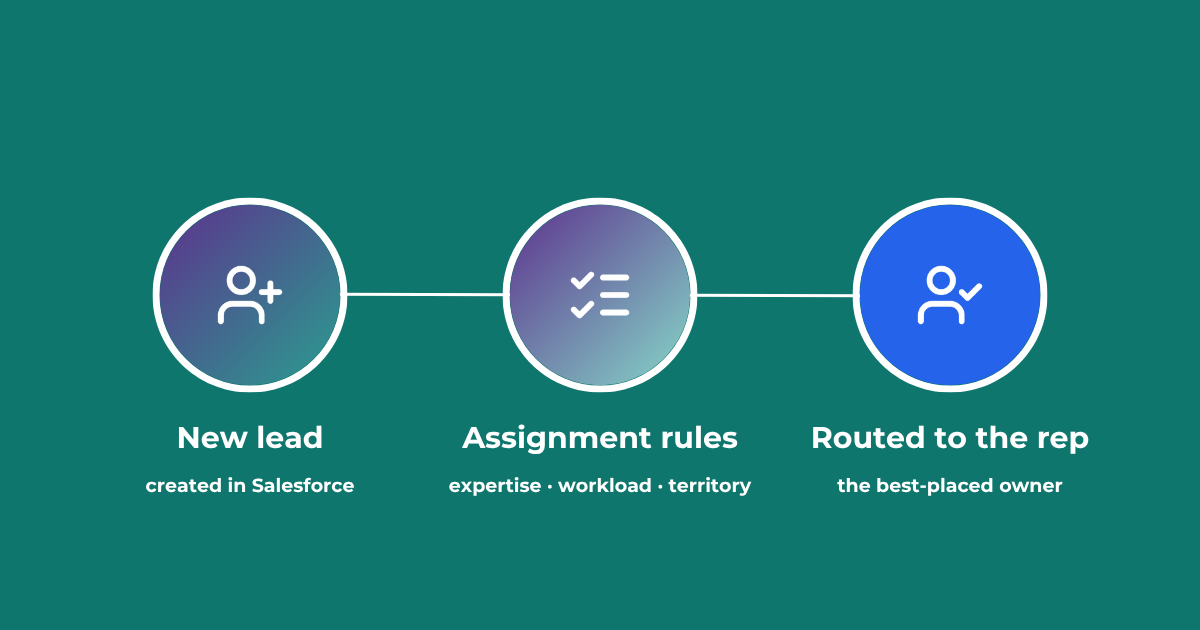
Lead Assignment Rules in Salesforce: Automate with Q-assign
This comprehensive guide to optimizing lead assignment rules in Salesforce will stand you in good stead for maximizing your sales reps’ productivity and performance. Understand the benefits of highly effective lead assignment, explore Salesforce best practices and stay ahead of the competition – with added insights into AI-driven revenue orchestration
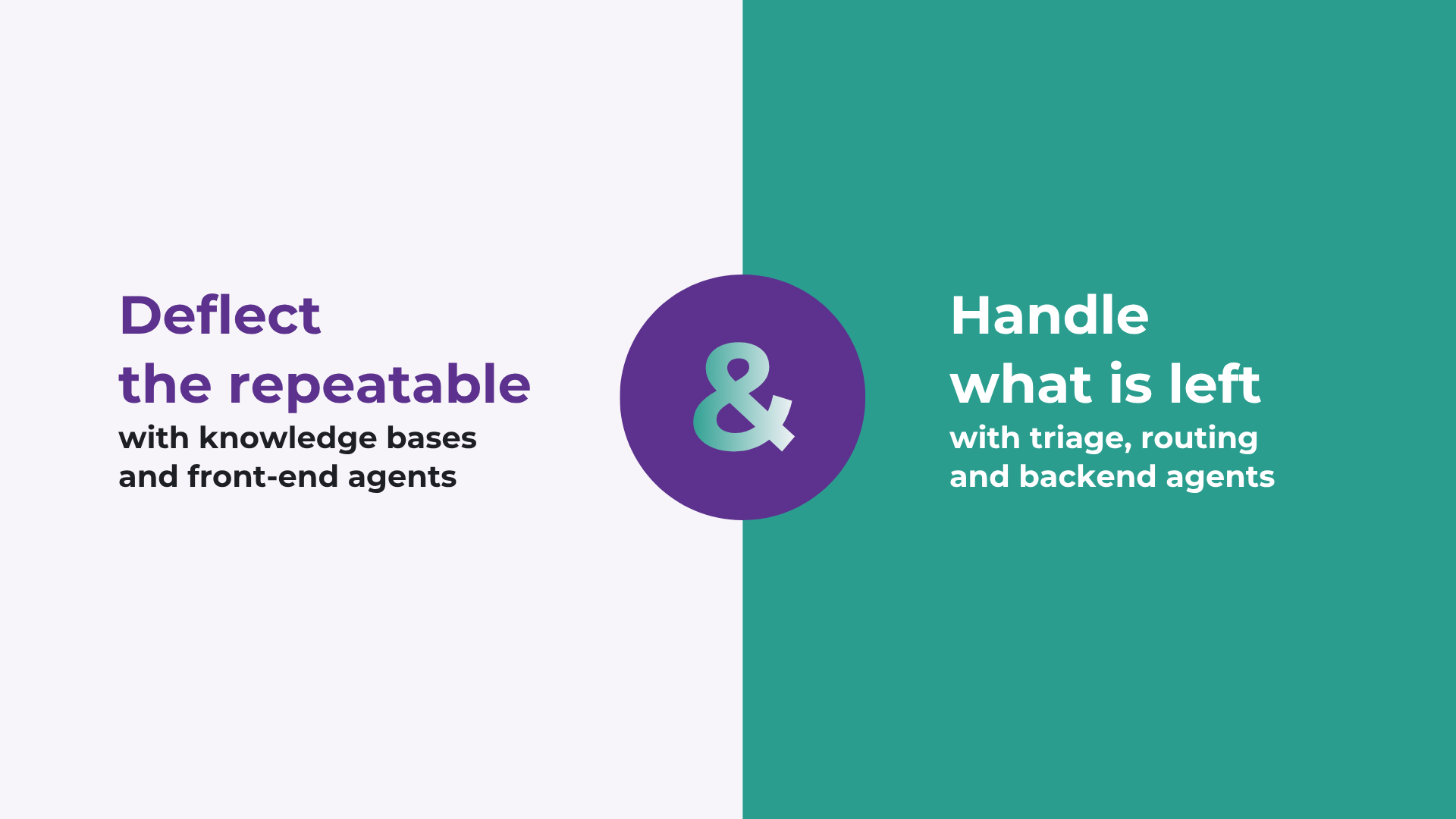
How to improve Salesforce case deflection rates
Deflection only solves half the problem. The cases that do not deflect are the ones that breach SLA. How to improve deflection rates, and how to handle what is left.

Calling Salesforce is easy. Defining what happens next is the hard part.
Salesforce workflows don’t break because of missing automation. They break because no single system defines what should happen. Here’s what actually fixes it.
READY TO SEE IT IN ACTION
Map your workflows with our team.
30 minutes, no prep needed. We will map one workflow you handle today and identify where orchestration would change the outcome.