Why Your Salesforce Case Backlog Is A Symptom Not The Cause

The True Cost of a Reactive Approach
A persistent case backlog is rarely a problem of volume alone. It is a clear signal of an underlying breakdown in process or system design. Service teams often fall into a trap of treating the symptom – the growing queue of cases – instead of diagnosing the root cause of the delay. This reactive posture creates a cycle of operational debt that is difficult to escape.
The costs of this approach cascade through the organisation. Beyond customer dissatisfaction there is the heavy toll on the service team itself. Agents face high burnout from constant pressure and the mental friction of context switching between unrelated issues. This firefighting culture consumes valuable resources that could be invested in proactive improvements or strategic work. The result is a system that is always behind always catching up and never getting ahead. The necessary shift is towards proactive lifecycle supervision. This is not about working harder to clear the queue but working smarter to prevent it from forming in the first place.
Defining Proactive Lifecycle Supervision
In a Salesforce context proactive lifecycle supervision is an operational model focused on foresight and intervention. It moves beyond passively watching queues and status fields. It is the practice of understanding the intended path and duration for every case and intervening when a deviation occurs. This approach is built on a clear framework for how work should flow through the system.
Beyond Queues and Status Fields
Genuine supervision requires knowing what should happen not just observing what is happening. A simple status field tells you where a case is now. A lifecycle framework tells you where it should be and how long it should take to get there. This distinction is fundamental. It shifts the focus from retrospective reporting to real-time guidance and control.
Establishing Lifecycle Stages
The foundation of this model is mapping the entire case journey into distinct stages. These might include Intake Triage Investigation and Resolution. This map provides the structure needed to identify bottlenecks. As highlighted on the Salesforce Admins blog having a visible and organised backlog is the foundational step toward managing it effectively. Without clear lifecycle stages you cannot accurately measure where delays occur or why work is slowing down. This map turns an unstructured list of cases into a managed process.
The Role of Real-Time Monitoring
A weekly report shows you the backlog you already have. Real-time monitoring flags a case that has been in one stage for too long predicting a problem before it contributes to the backlog. This is a human-in-the-loop model. The system provides the intelligence – the team uses it to make informed decisions. The goal of Salesforce lifecycle supervision is to empower experts not replace them. It gives them the visibility to act before a small delay becomes a major issue.
Core Strategies for Preventing Salesforce Case Backlogs

Preventing Salesforce case backlogs requires a set of deliberate strategies built into your operational design. These tactics shift the focus from reactive firefighting to proactive control ensuring cases move smoothly through their lifecycle.
- Implement a Structured Intake Process
Uncontrolled intake from emails creates disorganised data and downstream chaos. Using web-to-case forms with required fields and dependent picklists ensures you capture clean structured information from the start. This simple discipline ensures cases are categorised and routed correctly from the moment of creation eliminating manual triage and guesswork. - Use Dynamic Prioritisation
Static ‘High/Medium/Low’ priorities are often inadequate for complex operations. A dynamic model where priority is a calculated score – based on factors like case age account value or SLA tier – is far more effective. This ensures attention is always focused on the most commercially or operationally critical issues not just the oldest ones. - Automate Alerts for At-Risk Cases
Focus on leading indicators not lagging ones. Instead of alerting on an SLA breach – which is too late – set up alerts for cases that are at risk of breaching. For example a notification can be triggered if a high-priority case has no activity for two hours or if a case remains in an ‘Awaiting Customer’ status beyond a set threshold. - Refine Assignment and Escalation Rules
Regularly review assignment logic to prevent bottlenecks and ensure balanced workloads. Creating dedicated queues for specialist issues stops them from getting lost in a general pool. A clear escalation path is vital for cases that require senior input. For teams looking to optimise their workload distribution improving their Salesforce case assignment rules is a critical step.
| Operational Area | Reactive Approach (Causes Backlogs) | Proactive Approach (Prevents Backlogs) |
|---|---|---|
| Intake | Unstructured emails, missing data | Mandatory form fields, automated categorisation |
| Prioritisation | Static ‘High/Medium/Low’ fields | Dynamic score based on business rules |
| Monitoring | Weekly reports on existing backlogs | Real-time alerts on ‘Time in Stage’ deviations |
| Agent Focus | Clearing the oldest case in the queue | Addressing at-risk cases before they escalate |
The One Metric That Predicts a Backlog
In the search for clarity service teams often track dozens of metrics. Yet one leading indicator is more predictive than any other when it comes to identifying future Salesforce case backlogs – Time in Stage. While common lagging indicators like ‘Average Handle Time’ or ‘Cases Closed’ are useful for historical analysis they only measure what has already happened. They are the operational equivalent of looking in the rearview mirror.
Time in Stage is a forward-looking signal. A rising duration in an early stage like ‘Triage’ or ‘Investigation’ is a direct warning that a bottleneck is forming. It shows that the flow of work is slowing down at a specific point in the process which will inevitably cause a pile-up downstream. It is the first sign of trouble long before the overall backlog becomes unmanageable.
Tracking this in Salesforce involves using date/time fields to stamp when a case enters and exits each lifecycle stage. Formula fields or reports can then calculate the duration. The true value of this metric lies in the action it triggers. A rising Time in Stage is not just a number for a dashboard. It is a clear signal to investigate the people processes or tools associated with that stage. This is the essence of proactive case management – using data to ask the right questions before a problem escalates.
Sustaining an Efficient Case Management System
A well-designed system is only the beginning. Preventing backlogs over the long term requires ongoing discipline and a commitment to continuous improvement. Even the most effective rules and processes can become misaligned with business needs over time. Regular review sessions are essential not for firefighting but for methodically refining the system.
This is where principles from process improvement methodologies become valuable. As noted in discussions on process re-engineering applying a Lean Six Sigma mindset can be instrumental in revamping case management. The goal is to identify and eliminate ‘waste’ – unnecessary steps information gaps or delays in the case lifecycle. This fosters a culture where the team is constantly looking for ways to make the process smoother and more efficient.
Ultimately preventing Salesforce case backlogs is an ongoing practice not a one-off project. It requires a combination of smart system design proactive supervision and a commitment to refining service operations. To learn more about building resilient and efficient service operations explore how orchestration can bring structure and predictability to your team. Ask an Expert any question about proactive case management by emailing sales@ortooapps.com.
Related insights
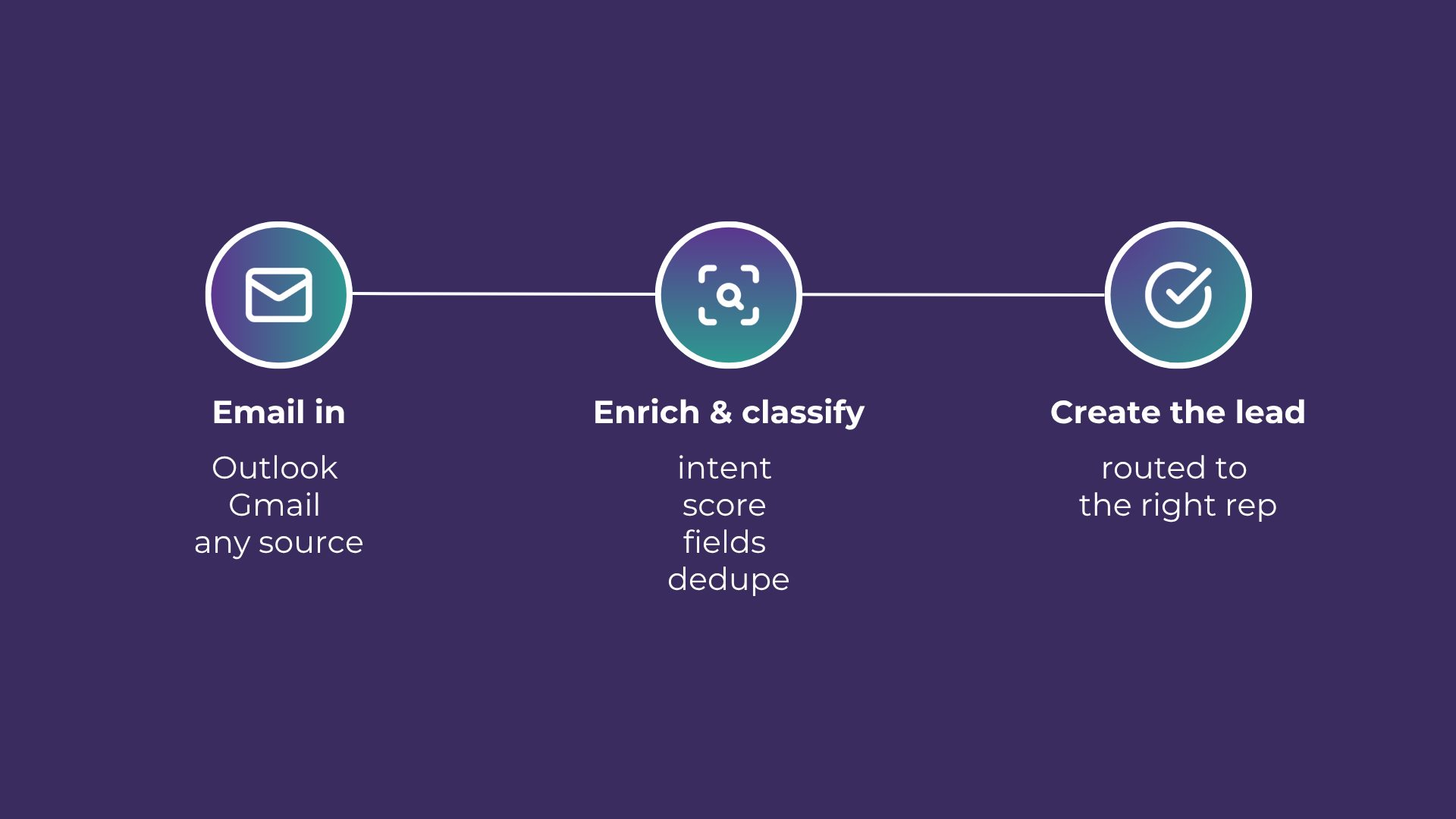
Email-to-Lead: Salesforce Lead Management with AI
Lead management is the lifeblood of any successful sales operation. At a time where customer expectations are higher than ever, ensuring that potential leads are captured and nurtured effectively can make all the difference. Introducing Email-to-Lead – AI Edition.
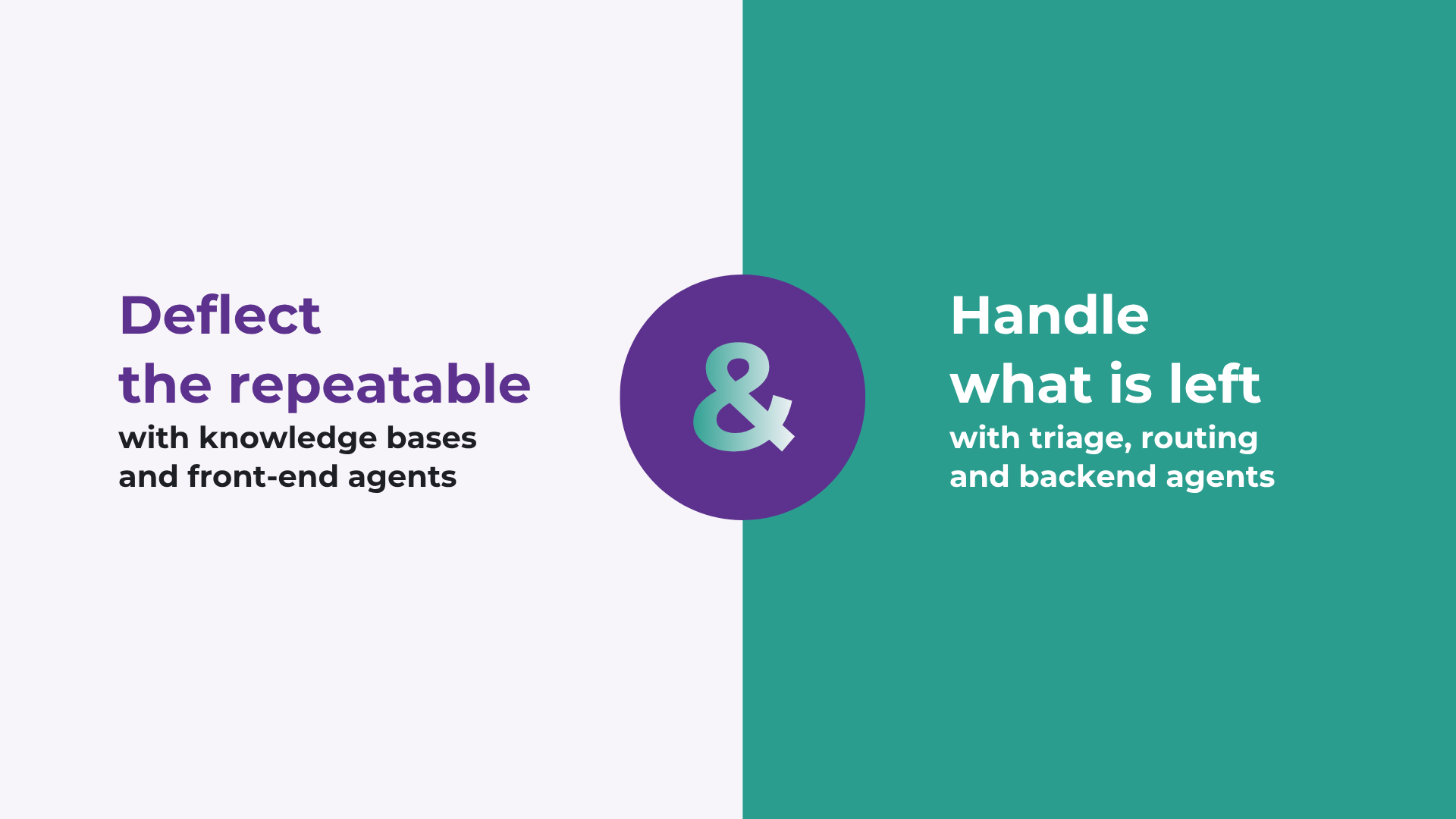
How to improve Salesforce case deflection rates
Deflection only solves half the problem. The cases that do not deflect are the ones that breach SLA. How to improve deflection rates, and how to handle what is left.

Stopping SLA Breaches in High Volume Salesforce Workflows
Learn how to move from reactive reporting to proactive management for better service level agreement adherence.
READY TO SEE IT IN ACTION
Map your workflows with our team.
30 minutes, no prep needed. We will map one workflow you handle today and identify where orchestration would change the outcome.