Why Standard Salesforce Queues Struggle with Manufacturing Scale

Modern manufacturing generates a relentless stream of data. Every sensor reading, production line event and quality check creates a digital footprint. Many teams assume that standard Salesforce queues can absorb this volume indefinitely, treating them as a simple bucket for any task that needs to run in the background. This is a fundamental misunderstanding of their design.
Queues are built to defer work and manage asynchronous tasks in typical business environments – not to handle the intense, high-concurrency demands of industrial operations. When a production line sends thousands of updates per hour, the queue is no longer just deferring work. It is being asked to perform as a high-throughput processing engine, a role it was never intended for.
The performance failures that follow are not a flaw in Salesforce itself. They are the result of an architectural mismatch between the tool’s purpose and the industrial-scale job it is being forced to do. Recognising that standard queues are not infinitely scalable is the first step toward designing more resilient high-volume manufacturing workflows that can withstand the pressures of the factory floor.
Identifying the Real-World Bottlenecks
When Salesforce queues are pushed beyond their design limits, the consequences are not just theoretical. They create tangible friction that operations managers and technical teams across the UK feel every day. The digital bottleneck quickly translates into physical disruption on the factory floor, exposing critical Salesforce manufacturing limitations.
These are the most common failure points:
- The ‘Too Many Queueable Jobs’ error. This is not a gradual slowdown – it is a hard stop. Hitting the Salesforce queueable jobs limit causes the system to reject all subsequent requests. For a manufacturer, this means incoming data from machinery or operator inputs is simply dropped, creating critical gaps in production records and service histories.
- Physical impact from processing latency. A delay of just a few seconds in processing a job can have a direct impact on physical operations. It can disrupt the timing of automated machinery, throw off real-time inventory counts and cause cascading delays in logistics and dispatch schedules. The digital lag becomes a real-world production problem.
- Congestion and data integrity risks. During peak shifts, thousands of jobs can pile up, making processing times unpredictable. This creates a significant risk of jobs executing out of sequence. A quality control check might be processed before the production event it relates to, corrupting the integrity of the entire record.
- The hidden operational cost of firefighting. When jobs fail, they do not fix themselves. They require manual investigation and intervention from an already stretched technical team. At scale, this reactive firefighting becomes a constant drain on resources, pulling skilled engineers away from innovation and improvement projects just to keep the system running.
A Model for Intelligent Workflow Orchestration

The solution is not to find a bigger queue but to manage work more intelligently before it ever enters one. Effective Salesforce orchestration strategies introduce a layer of logic that assesses, segments and prioritises incoming requests. This proactive approach transforms how high-volume manufacturing workflows are managed, moving from a reactive model to a controlled and resilient one.
Intelligent Routing and Prioritisation
Instead of funnelling all tasks into a single pipeline, automation can be used to sort them by importance. A critical ‘machine down’ alert from an IoT sensor can be fast-tracked for immediate processing, while routine diagnostic logs are batched together for processing during off-peak hours. This ensures that urgent issues are handled instantly without being delayed by low-priority data writes.
Strategies for High-Volume Data Writes
To handle large data volumes without hitting governor limits, specific tactics are essential. As outlined in best practices for designing for high-volume writes in Salesforce, chunking data into smaller, manageable units prevents single large transactions from overwhelming the system. Batching records together for a single, efficient update further reduces the load on the platform.
Offloading to a Dedicated Orchestration Layer
For extreme-scale scenarios, the most robust pattern involves offloading the heavy processing to a dedicated platform. This layer handles the complex routing, prioritisation and error handling, using Salesforce purely as the clean system of record. This approach allows you to improve complex business operations by separating the intensive processing work from the core data model, ensuring both can scale independently.
| Factor | Standard Salesforce Queues | Orchestrated Workflow |
|---|---|---|
| Intake Method | Directly into a single queue | Assessed and segmented before queuing |
| Prioritisation | First-in, first-out (FIFO) | Dynamic, based on business rules and urgency |
| Error Handling | Manual intervention for failed jobs | Automated retry logic and notifications |
| Scalability | Limited by platform governor limits | Designed to manage high concurrency and volume |
This table contrasts the reactive nature of standard queues with the proactive management of an orchestrated approach, highlighting key differences in handling high-volume manufacturing workflows.
Key Signals of Queue Overload
Before a complete failure occurs, a queuing system under strain will show clear warning signs. Monitoring these signals allows teams to act proactively instead of waiting for the system to break.
- A perpetually full Apex Jobs queue. The most direct technical indicator of overload is a backlog of jobs that never clears, even during nights or weekends. If the queue depth remains consistently high, it means the system cannot keep up with the incoming volume.
- Rising average processing duration. Tracking the average time it takes for a queueable job to complete is crucial. A gradual but steady increase in this metric is a leading indicator of growing congestion and future bottlenecks. What takes milliseconds today might take seconds tomorrow.
- The ‘human signal’. Often the first and most reliable sign of a problem comes from the factory floor itself. An increase in complaints from shift managers about data lag, system sluggishness or inaccurate reports is a clear symptom that the underlying platform is struggling to keep pace with physical operations.
For high-volume manufacturing, success depends on moving beyond reactive queue fixing toward a proactive orchestration strategy. This architectural shift is what ensures the system remains both scalable and reliable under pressure. By building intelligent workflows, businesses can maintain operational resilience and ensure their technology supports – rather than hinders – production. For more on our perspective, visit ortooapps.com.
Ask an Expert any question about managing high-volume manufacturing workflows by emailing sales@ortooapps.com.
Related insights
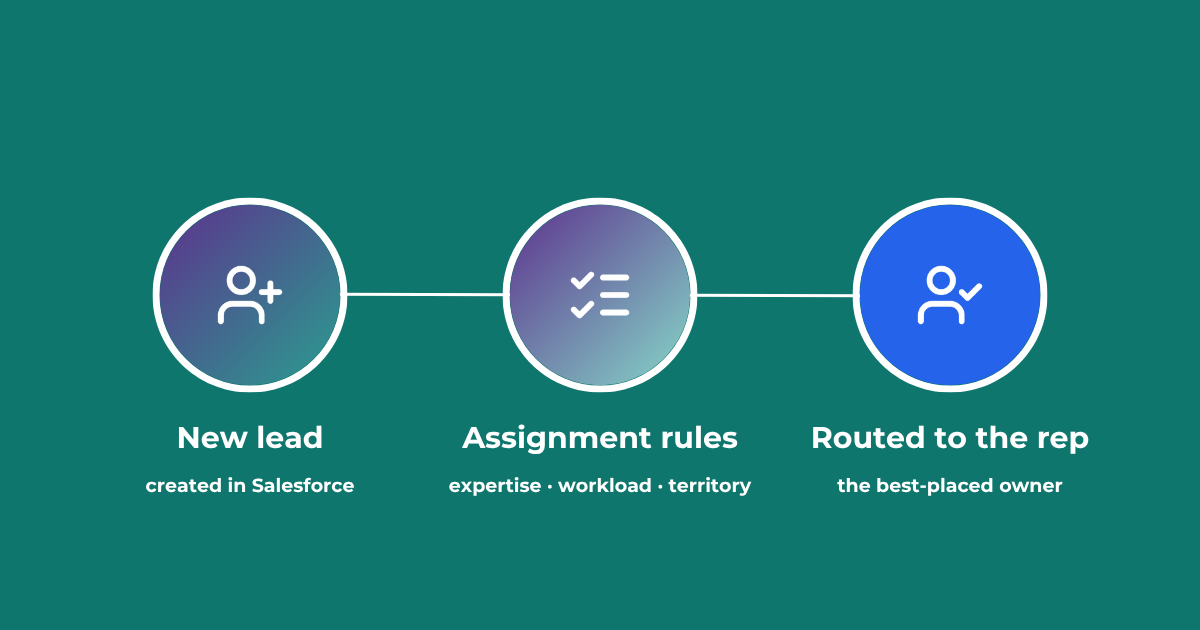
Lead Assignment Rules in Salesforce: Automate with Q-assign
This comprehensive guide to optimizing lead assignment rules in Salesforce will stand you in good stead for maximizing your sales reps’ productivity and performance. Understand the benefits of highly effective lead assignment, explore Salesforce best practices and stay ahead of the competition – with added insights into AI-driven revenue orchestration
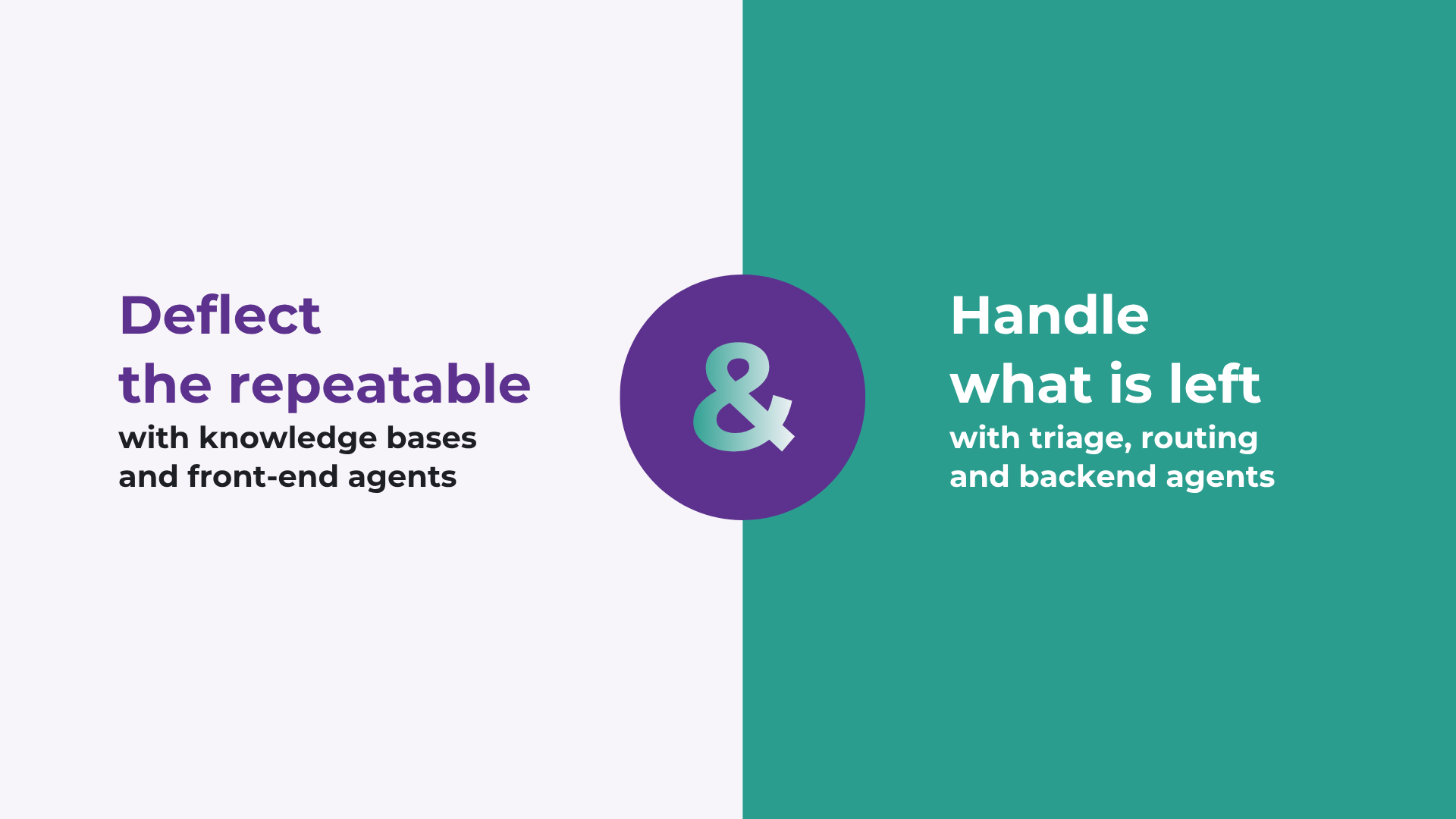
How to improve Salesforce case deflection rates
Deflection only solves half the problem. The cases that do not deflect are the ones that breach SLA. How to improve deflection rates, and how to handle what is left.

Calling Salesforce is easy. Defining what happens next is the hard part.
Salesforce workflows don’t break because of missing automation. They break because no single system defines what should happen. Here’s what actually fixes it.
READY TO SEE IT IN ACTION
Map your workflows with our team.
30 minutes, no prep needed. We will map one workflow you handle today and identify where orchestration would change the outcome.