Why Real Time SLA Enforcement Is Replacing Reporting In Salesforce

The Limits of After-the-Fact SLA Reporting
For years, operations teams have relied on scheduled Salesforce reports and dashboards to track Service Level Agreement compliance. This has been the standard approach for measuring performance. The fundamental problem with this model is its latency. When reports only refresh hourly or even daily, teams discover an SLA breach long after it has happened. The window for intervention is already closed.
This turns operational management into a forensic exercise. Instead of proactively controlling live work, managers are left analysing what went wrong yesterday. They cannot course-correct or prioritise a case that is about to miss its target because the data simply arrives too late. The typical Salesforce service metrics on a dashboard show a history of failure not a live view of risk.
We have all seen that dashboard filled with red indicators first thing in the morning. By then, the damage is done. This retrospective analysis is no longer sufficient for high-volume or high-stakes service environments. Managing operational risk requires real-time data. Traditional reporting creates a critical gap between the service promise and its delivery, a gap that proactive teams can no longer afford.
Calculating the Operational Cost of Delayed Insight

That gap between event and insight carries a tangible cost. The latency inherent in after-the-fact reporting leads to more than just missed targets. It directly contributes to customer churn, erodes brand reputation and increases the operational cost of service recovery. When a high-value customer’s issue is only addressed after an SLA is breached, the conversation shifts from resolution to apology and compensation.
This reactive posture also creates hidden bottlenecks. Without live SLA timers to guide them, agents often default to a simple ‘first-in, first-out’ queue. This approach completely ignores contractual urgency and is a primary reason why proactive SLA management fails. This is not a niche problem. Recent polling data from Flowdometer shows that nearly half of service operators still lack a clear method for prioritising work, leading directly to these kinds of preventable failures.
The constant fire-fighting erodes trust, both with customers who receive inconsistent service and internally among teams burdened by escalations. The operational rhythm becomes dominated by emergencies, preventing leaders from focusing on systemic process improvement. The cost of delayed insight is not just a red line on a report. It is a systemic drag on efficiency, morale and customer loyalty.
Building a Framework for Live SLA Visibility
Moving from reactive reporting to live visibility requires using Salesforce’s native capabilities differently. The foundation for this shift is the Salesforce entitlement process and its associated milestones. These tools are the engine for live SLA tracking, creating time-bound workflows attached directly to records like Cases. They turn a static promise into an active, measurable process.
Milestones function as individual countdown timers for each step of a service commitment. Their operation is straightforward but powerful:
- They act as timers for specific service steps, such as ‘First Response’ or ‘Case Resolution’.
- Their status provides an objective, real-time signal of compliance, changing from ‘Active’ to ‘Met’ or ‘Missed’.
- They can trigger automated actions as time elapses, forming the basis for enforcement.
As NTT DATA explains, milestones use these countdowns to automatically flag a case status, turning compliance into a measurable, time-driven workflow. This is the core of real-time SLA monitoring Salesforce. Instead of static reports, teams use live dashboards that provide continuous feedback on remaining SLA windows. This marks a shift towards a more resilient approach to service operations, where visibility is built directly into the workflow. While native functionality is case-centric, the same principles can be applied to custom objects through specific configuration patterns or dedicated orchestration tools.
From Passive Monitoring to Proactive Enforcement

Seeing a timer count down on a screen is an improvement, but it is not the end goal. True operational control comes from turning that visibility into action. The next step is to move from passive monitoring to proactive Salesforce SLA enforcement. This means building automated systems that respond to time-based triggers before a breach occurs.
A common orchestration pattern connects the timer to a corrective workflow. For example, when a milestone timer indicates an SLA is at risk, perhaps at 75% of its allotted time, it can initiate an automated response. This workflow might reassign the record to an available agent, escalate it to a manager’s priority queue or notify a specialist team via Chatter. The at-risk work gets immediate attention without waiting for a human to notice a flashing icon on a dashboard.
This creates a closed-loop system. It connects a time-based trigger, an impending breach, to a workflow-based response, an automated action. This system can be made even more robust by monitoring for underlying technical issues. An alert on a failing Flow or Apex error can trigger a compensatory action that prevents an SLA violation from ever happening. This is the difference between watching work fail and designing a system that refuses to let it.
Adopting a System of Real-Time Work Orchestration
The most effective operations teams are moving away from using SLAs as a retrospective report card. They are embedding them as a live, enforceable component of the workflow itself. This represents a fundamental shift in how service delivery is managed in Salesforce. It is about building a resilient operating model that anticipates and handles exceptions at scale.
By combining entitlement-driven timers, live visibility and automated enforcement, organisations can design workflows that are built to scale without breaking. This is the distinction between basic automation and true work orchestration. This approach transforms Salesforce from a passive system of record into an active system of work, a topic we explore further at ortooapps.com.
If your team is evaluating how to implement a real-time SLA model, you can book a consultation to discuss your specific use case by emailing sales@ortooapps.com. Ask an Expert any question about Salesforce SLA enforcement by emailing sales@ortooapps.com.
Related insights
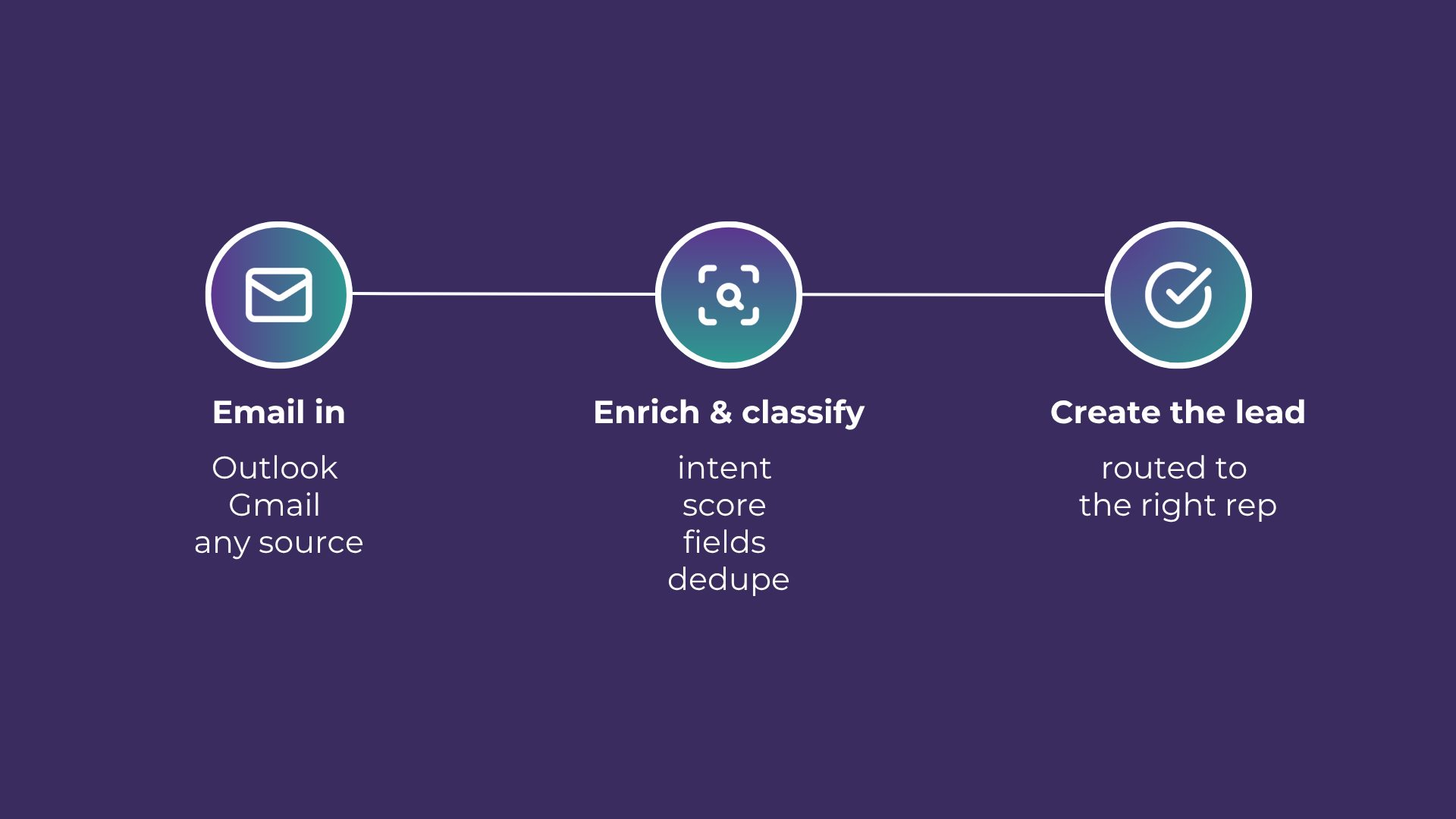
Email-to-Lead: Salesforce Lead Management with AI
Lead management is the lifeblood of any successful sales operation. At a time where customer expectations are higher than ever, ensuring that potential leads are captured and nurtured effectively can make all the difference. Introducing Email-to-Lead – AI Edition.
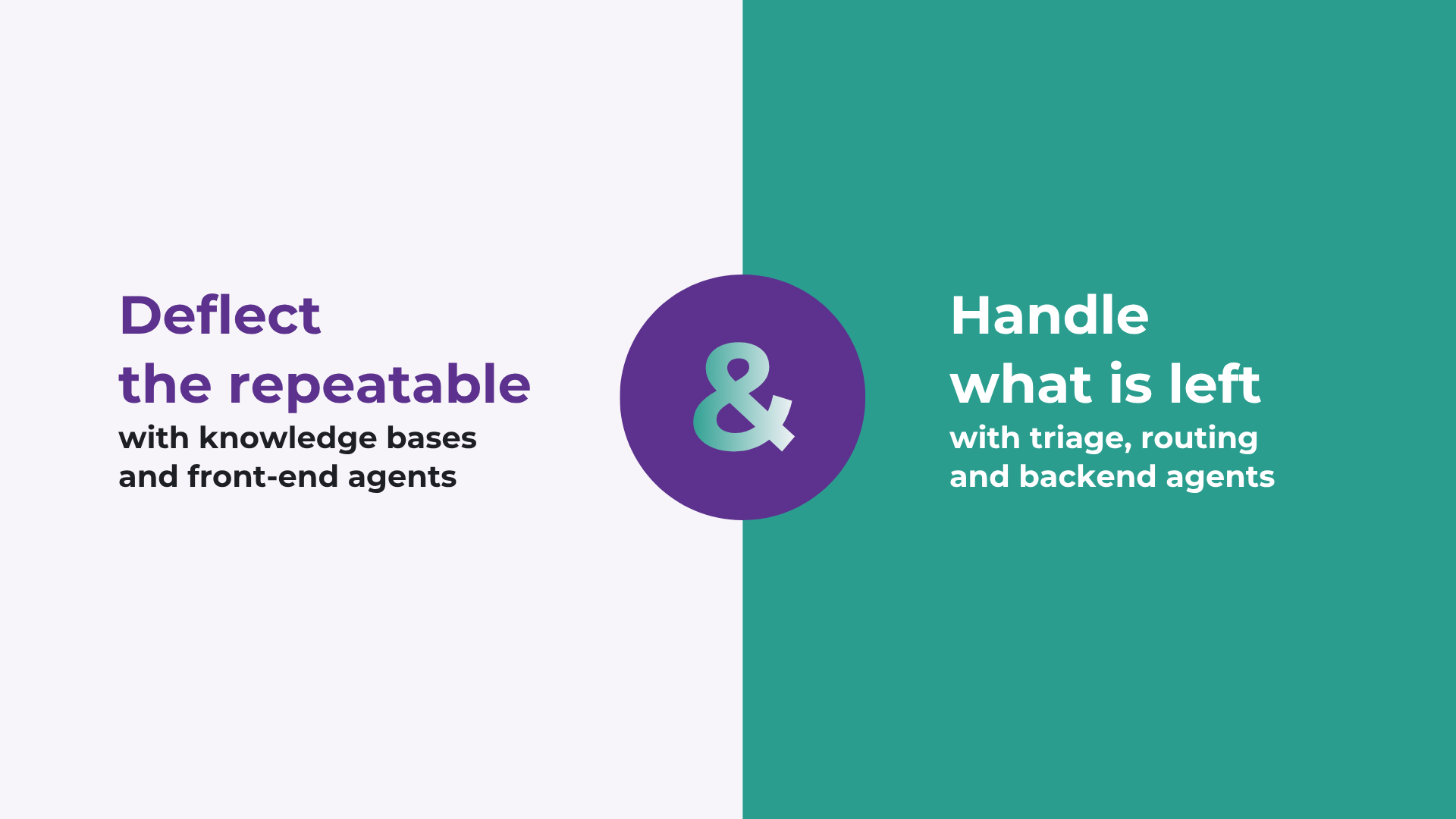
How to improve Salesforce case deflection rates
Deflection only solves half the problem. The cases that do not deflect are the ones that breach SLA. How to improve deflection rates, and how to handle what is left.

Stopping SLA Breaches in High Volume Salesforce Workflows
Learn how to move from reactive reporting to proactive management for better service level agreement adherence.
READY TO SEE IT IN ACTION
Map your workflows with our team.
30 minutes, no prep needed. We will map one workflow you handle today and identify where orchestration would change the outcome.