Stopping Silent Work Decay in Salesforce During Rapid Growth

The Hidden Drag of High-Growth Salesforce Orgs
During periods of rapid growth, the pressure to move quickly often masks a gradual decline in Salesforce performance. We see teams celebrate new features and faster onboarding, yet underneath, a subtle inefficiency takes hold. This is silent work decay in Salesforce – not a single catastrophic failure, but the cumulative effect of many small, overlooked compromises made in the name of speed.
The primary cause is the accumulation of Salesforce technical debt. Think of the quick-fix automations built to support a one-off marketing campaign, or the hardcoded values for a sales territory that has since been restructured. These artefacts are rarely removed. They linger in the system, creating complexity that slows down future development and confuses new team members. Each shortcut taken to meet a deadline adds another layer of debt, making the system more brittle and harder to maintain.
A second, more subtle cause is the prevalence of silent Salesforce automation failures. These are processes, like a Salesforce Flow, that execute without generating an error message but fail to perform their intended action. For example, a Flow might run successfully but neglect to update a crucial lead status field. The system reports no issue, but the data gap creates downstream problems for sales teams who must then manually correct records, wasting valuable time. These small inconsistencies compound, creating a significant operational drag that organisations often misjudge until productivity is visibly impacted.
The Operational Cost of System Inefficiency

The technical issues described earlier are not just abstract problems for an IT department – they translate into tangible business costs. The drag from system inefficiency directly impacts team productivity and morale. When page loads are slow and workflows feel clunky, user frustration grows. We have all seen it – a sales representative waiting for a record to save or a service agent struggling with a convoluted case layout. This friction leads to lower user adoption and encourages workarounds outside of Salesforce, undermining the single source of truth you have worked so hard to build.
Beyond user frustration, these silent inconsistencies distort the data used for strategic decision-making. As an article from Databar.ai highlights, silent data quality pitfalls can significantly impair operations without triggering obvious validation errors. When duplicate leads from a hastily integrated app skew conversion rates or stale opportunity data inflates the pipeline, senior management may make critical errors based on flawed information. The dashboards look correct, but the underlying reality is distorted.
Ultimately, silent work decay diminishes the return on your Salesforce investment by eroding operational agility. The operational costs become clear when itemised:
- Reduced user productivity and morale as teams fight against a slow and unintuitive system.
- Distorted analytics and poor strategic decisions driven by unreliable data.
- Increased development costs and delayed projects because the system is too brittle to adapt quickly.
When the CRM becomes a bottleneck instead of an accelerator, the business loses its ability to respond to market changes effectively. This is one of the most significant Salesforce performance issues a growing company can face.
A Pattern for Proactive System Governance
Reacting to problems as they arise is a losing battle. The only sustainable approach is to shift from reactive fire-fighting to proactive Salesforce governance. This involves establishing a repeatable pattern for maintaining system health, ensuring the platform evolves with discipline rather than by accident. It is about treating your Salesforce org like any other critical business asset that requires continuous oversight and maintenance.
Managing Technical Debt Systematically
The first step is to confront Salesforce technical debt head-on. This requires a structured approach, not just sporadic clean-up efforts. Performing regular metadata analysis helps identify unused fields, redundant validation rules and obsolete automations that clutter the system. The key is to prioritise this work based on performance impact. Removing a single, inefficient piece of Apex code that runs on every contact update will deliver more value than deleting a hundred unused report folders. This systematic review turns debt management into a manageable, ongoing process.
Auditing Automation for Efficiency
Next, you must audit your core automations, including Salesforce Flows and Apex triggers. The goal of this audit is not just to find outright failures but also to root out inefficiencies. For instance, does a complex Flow need to run every time a record is edited, or can it be triggered more precisely when specific fields change? As experts at Sweep.io have noted, the accumulation of such complexity is a primary driver of system drag. An efficient audit questions the ‘why’ behind every process, ensuring automations are as lean and targeted as possible.
Establishing a Performance Baseline
You cannot manage what you do not measure. Establishing a performance baseline is critical for early detection of degradation. This means actively tracking key metrics like average page load times, Apex execution times and API call limits. With a clear baseline, you can spot negative trends before they become critical Salesforce performance issues. This data provides objective evidence to justify investing time in refactoring or optimisation. Proactive governance is a continuous discipline, fundamental to achieving the kind of operational excellence that sustains growth.
Maintaining Data Integrity at Scale

While system governance addresses the health of your code and automation, it is only half the story. Data integrity is the other non-negotiable pillar of a scalable Salesforce org. Without clean, reliable data, even the most efficient system will produce poor outcomes. Preventing data decay requires its own set of practical, ongoing strategies.
A robust data hygiene programme should include several layers of defence:
- Implement robust deduplication rules and tools to prevent duplicate records from being created at the point of entry, whether through web forms or manual creation.
- Create intelligent validation rules that do more than just block bad data. They should guide users toward entering correct and complete information, acting as a real-time coach.
- Schedule routine data audits to proactively identify and cleanse inconsistent or stale records, such as contacts with no activity in two years or opportunities stuck in an early stage for months.
However, tools alone are not a complete solution. Their effectiveness depends on a culture of data discipline. This involves training users on why data standards matter and making them accountable for the quality of the information they create. When a sales user understands that accurate industry data drives territory alignment and marketing segmentation, they are more likely to populate that field correctly. It is important to acknowledge the limits of this approach – data quality tools are essential but cannot fix a fundamentally flawed business process. Data hygiene and system governance are two sides of the same coin and must be addressed together for long-term success.
A Key Signal and Your Next Steps
If you are looking for one clear signal of advancing work decay, watch for a noticeable increase in the time and effort required to deploy simple changes. When updating a picklist value or adjusting a page layout becomes a complex project requiring extensive testing and stakeholder alignment, it is the canary in the coal mine. This friction is a definitive symptom that your org’s underlying complexity is reaching a critical point.
Preventing silent work decay in Salesforce is not a one-time project but a continuous commitment. It requires discipline across technical governance, data stewardship and operational vigilance. This ensures your platform remains a powerful enabler of growth, not a constraint that holds you back. By implementing robust operational patterns, you can maintain system health and agility even during periods of intense expansion. To learn more about building these resilient systems, you can explore the insights we have shared at ortooapps.com.
Ask an Expert any question about silent work decay in Salesforce by emailing sales@ortooapps.com.
Related insights
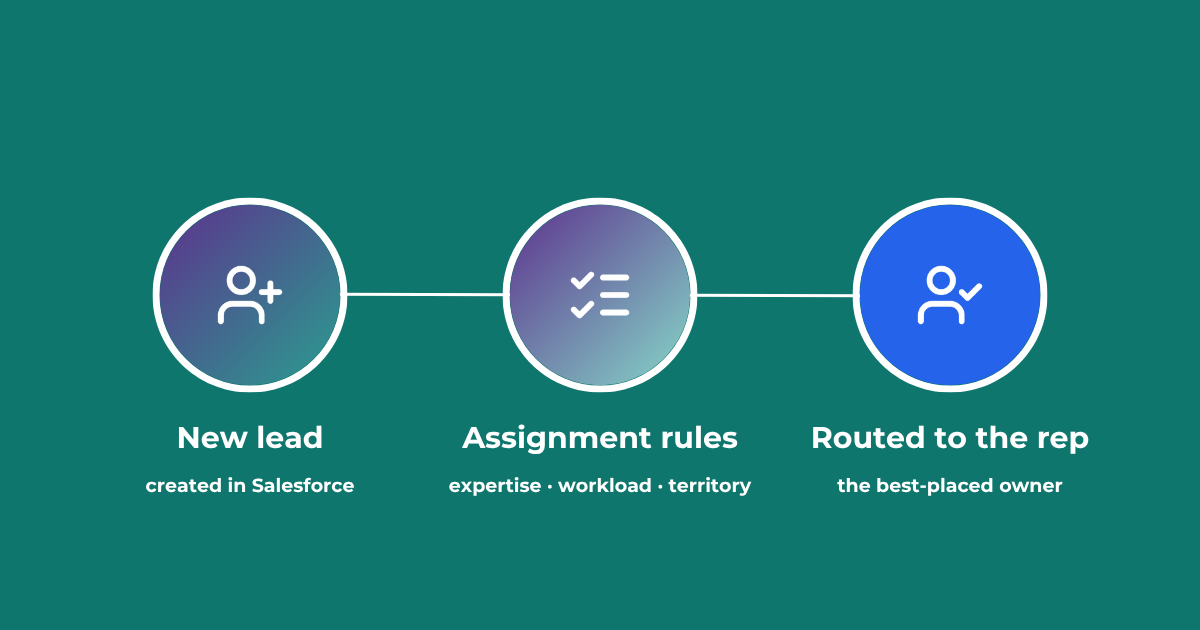
Lead Assignment Rules in Salesforce: Automate with Q-assign
This comprehensive guide to optimizing lead assignment rules in Salesforce will stand you in good stead for maximizing your sales reps’ productivity and performance. Understand the benefits of highly effective lead assignment, explore Salesforce best practices and stay ahead of the competition – with added insights into AI-driven revenue orchestration
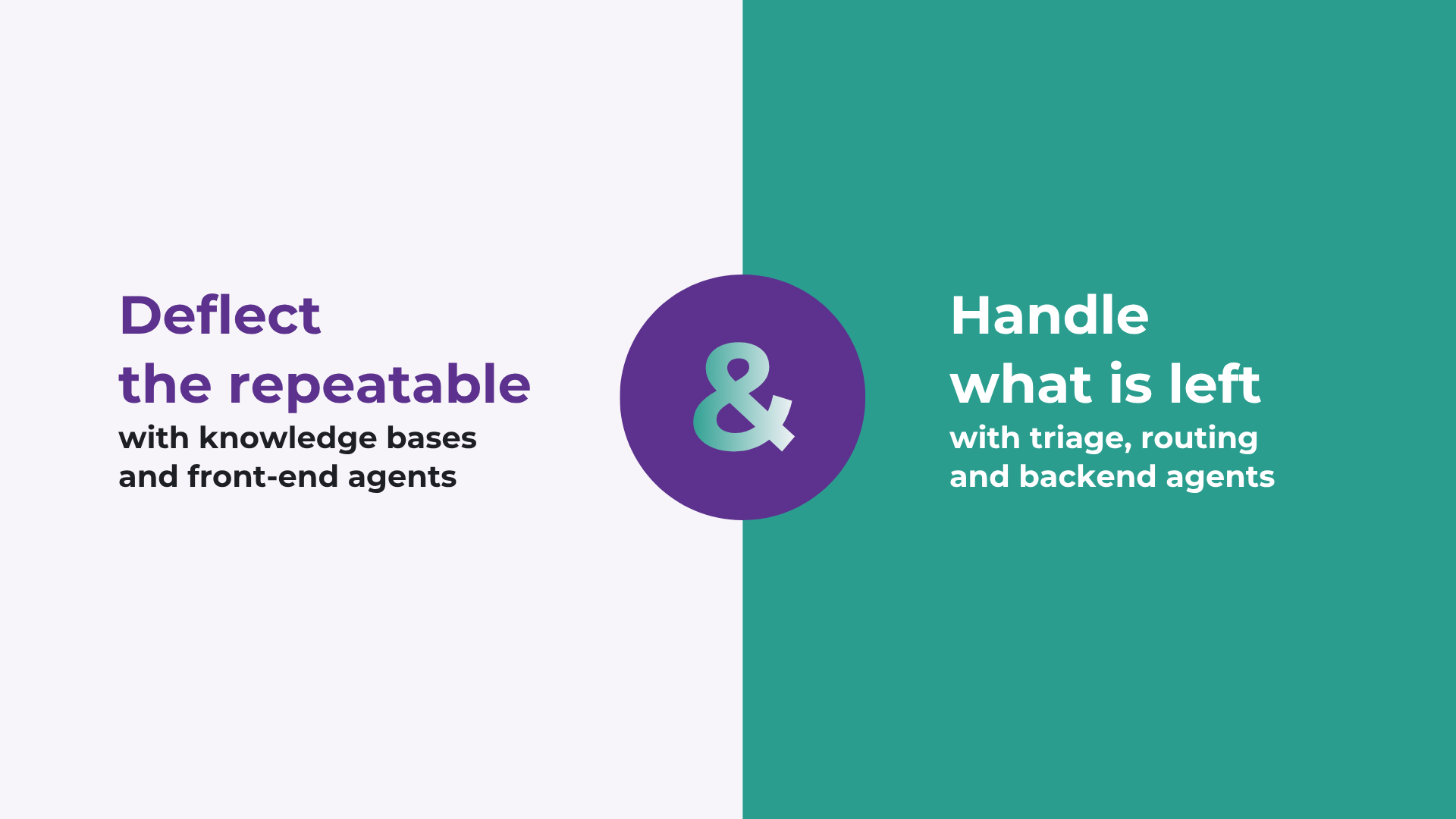
How to improve Salesforce case deflection rates
Deflection only solves half the problem. The cases that do not deflect are the ones that breach SLA. How to improve deflection rates, and how to handle what is left.

Calling Salesforce is easy. Defining what happens next is the hard part.
Salesforce workflows don’t break because of missing automation. They break because no single system defines what should happen. Here’s what actually fixes it.
READY TO SEE IT IN ACTION
Map your workflows with our team.
30 minutes, no prep needed. We will map one workflow you handle today and identify where orchestration would change the outcome.