Orchestrating Insurance Claims Beyond the Inbox

The False Simplicity of Email-Based Intake
For many UK insurers, the claims and submissions process begins in a familiar place – an email inbox flooded with attachments. This approach is often seen as the path of least resistance but this apparent simplicity is an illusion. It masks deep operational issues that create friction and risk throughout the entire claims lifecycle. An inbox inherently fragments information, trapping critical data inside unstructured emails and PDF documents.
The immediate consequences are felt daily by operations teams. We have all seen the results – lost documents, constant manual data entry and the inevitable errors that follow. Each email becomes a separate manual task that requires a person to open it, understand its intent, classify it and route it to the correct team. This is not an effective model for insurance intake automation.
This manual triage forces skilled adjusters and underwriters into low-value administrative work. Instead of focusing their expertise on complex adjudication, risk assessment or direct customer interaction, they spend their time copying and pasting information. This is a significant misallocation of expert resources and a primary source of operational drag.
The True Cost of a Disconnected Claims Process

The reliance on a manual, email-centric process has tangible business consequences that extend far beyond operational inefficiency. The most immediate impact is on speed and the policyholder experience. Manual handoffs and the constant need to re-enter data between systems directly prolong the claims processing workflow. According to a report from Moxo, orchestrated workflows can accelerate these cycles by up to 60 percent – a critical factor in customer satisfaction and retention.
Beyond speed, there are significant compliance and governance risks. A process scattered across individual inboxes and spreadsheets lacks a single, auditable trail of activity. This makes it incredibly difficult to demonstrate consistent adherence to regulatory standards like GDPR and creates a heavy, manual burden for internal reporting and external audits. Every data request becomes a forensic exercise.
Finally, this operational model carries a high cost-to-serve. The constant need for manual intervention, error correction and administrative oversight inflates operational expenses. It traps the claims function in a reactive state, forcing it to operate as a cost centre rather than a strategic asset that can deliver a competitive advantage through superior service and efficiency.
A Model for Insurance Claims Orchestration
Effective insurance claims orchestration is more than simple automation. It is the intelligent coordination of people, data and systems – including legacy policy platforms and fraud detection tools – into a single, coherent process managed within Salesforce. This approach provides a repeatable pattern for managing work from first notice of loss all the way to settlement.
An orchestrated model is built on several core components that work together to create a resilient and transparent workflow.
ComponentFunctionImpact on WorkflowSecure Digital PortalProvides a single, branded entry point for all submissions.Eliminates lost attachments and insecure email chains.AI Document UnderstandingAutomatically extracts and validates data from forms and evidence.Reduces manual data entry and associated error rates.Central Workflow EngineEnforces business rules, SLAs and escalation paths.Ensures consistent processing and proactive issue management.Integration LayerSyncs data between the workflow and core insurance systems.Creates a single source of truth and eliminates data silos.
With these pillars in place, a central workflow engine can enforce business rules, manage service level agreements and govern escalations automatically. This engine is supported by an integration layer that syncs data in real time, creating a single source of truth. The fundamental shift is from a reactive process where people must constantly manage the work to a proactive model where the system manages the flow of work. This unified model is central to what we see in modern insurance operations, ensuring consistency and complete visibility from start to finish.
The Signals of a Failing Intake System

How can you tell if your intake process is truly broken? The most telling signal is a high volume of ‘status check’ enquiries from policyholders and brokers. When customers and partners are constantly calling and emailing to ask where things stand, it is a direct symptom of poor process visibility. They have no confidence that their submission is moving forward, so they are forced to chase your team for updates.
This is often the first sign that an operation has hit its capacity ceiling. Other critical warning signs confirm that the underlying process, not the people, is the bottleneck.
-
Consistently high error rates in manually entered data.
-
SLAs being breached before anyone is aware of the problem.
-
Skilled adjusters or underwriters spending more time on administration than on expert analysis.
-
A growing backlog that does not shrink even with additional staff.
These issues become particularly apparent for teams using Salesforce for insurance claims without a proper orchestration layer. The platform holds the data, but without an intelligent system to manage the flow of work, teams are left to manage the chaos manually.
Evolving from Record-Keeping to Orchestrated Work
Moving beyond email for insurance intake is not a simple technology upgrade. It represents a fundamental shift in thinking – from using Salesforce as a passive system of record to an active system of work orchestration. This change turns your platform into the operational engine for your entire claims function.
A governed orchestration model also provides the necessary foundation for responsibly adopting more advanced AI, such as LLM-assisted triage or real-time risk scoring. Without a controlled and auditable process, these powerful technologies can introduce unacceptable risk.
To move from disconnected emails to a resilient, orchestrated workflow, teams must first rethink how work should flow. You can explore more concepts for building scalable operating models for insurance processes here. Ask an Expert any question about insurance claims orchestration by emailing sales@ortooapps.com.
Related insights
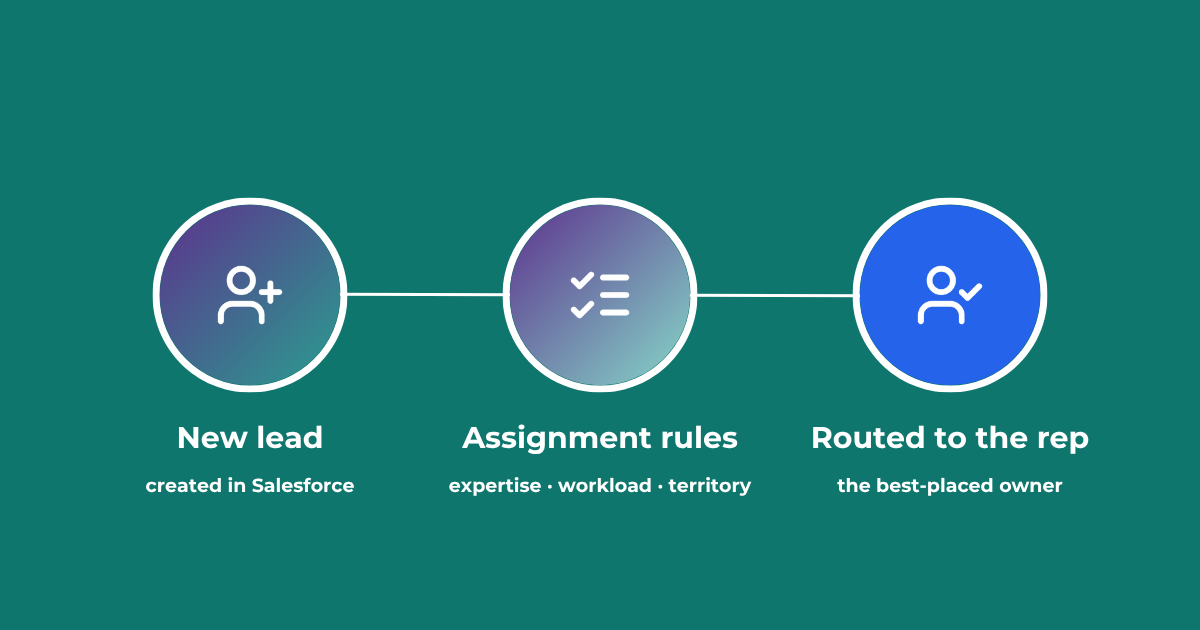
Lead Assignment Rules in Salesforce: Automate with Q-assign
This comprehensive guide to optimizing lead assignment rules in Salesforce will stand you in good stead for maximizing your sales reps’ productivity and performance. Understand the benefits of highly effective lead assignment, explore Salesforce best practices and stay ahead of the competition – with added insights into AI-driven revenue orchestration
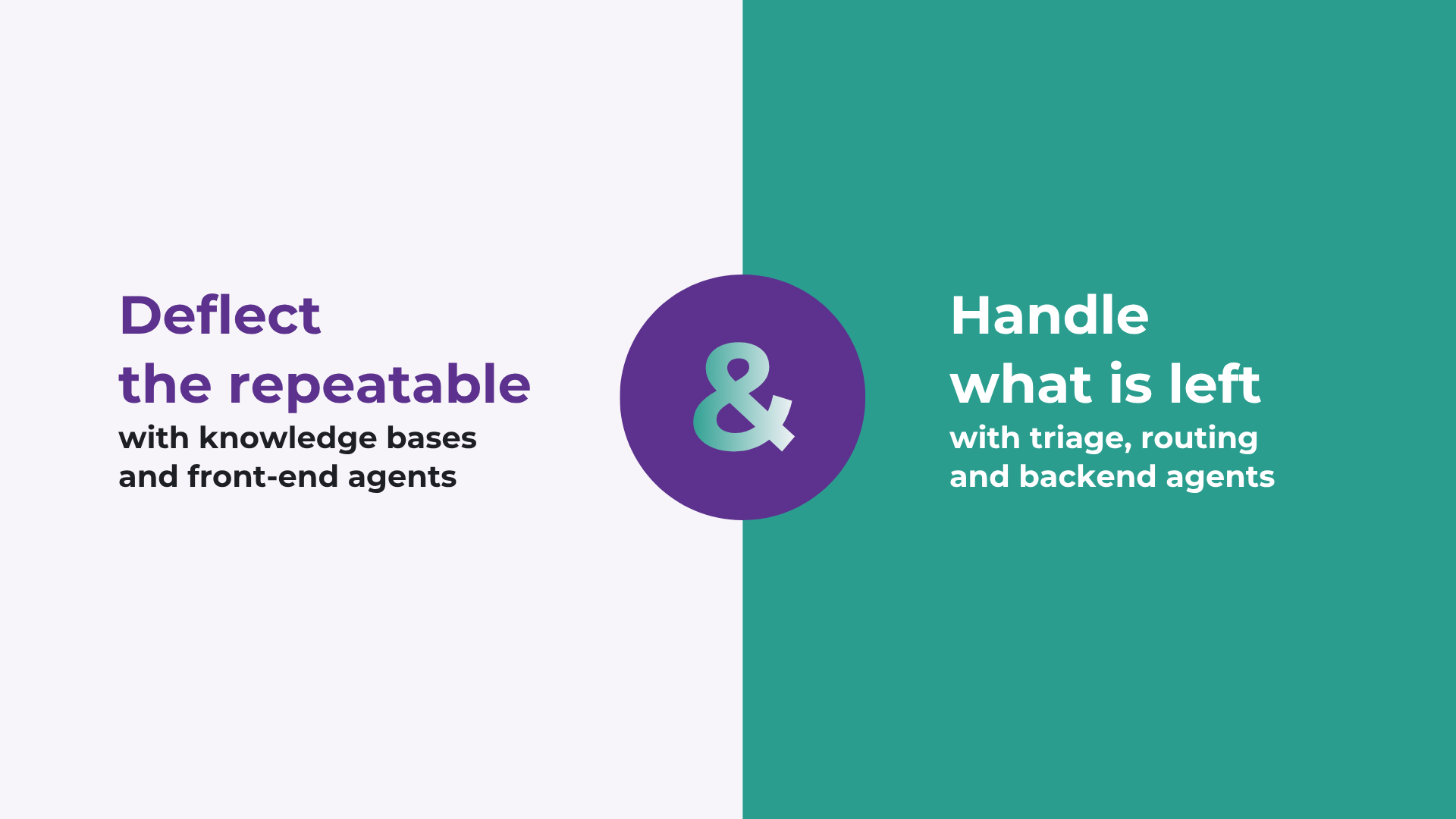
How to improve Salesforce case deflection rates
Deflection only solves half the problem. The cases that do not deflect are the ones that breach SLA. How to improve deflection rates, and how to handle what is left.

Calling Salesforce is easy. Defining what happens next is the hard part.
Salesforce workflows don’t break because of missing automation. They break because no single system defines what should happen. Here’s what actually fixes it.
READY TO SEE IT IN ACTION
Map your workflows with our team.
30 minutes, no prep needed. We will map one workflow you handle today and identify where orchestration would change the outcome.