Managing Case Documentation in Salesforce

Customers today have high expectations of the service levels they expect to receive from their insurers. If they are unhappy with their experience, then they can always take their business elsewhere. Financial Services providers need to be sure that their processes are up to the challenge of hitting their service-level targets; To make the grade, enabling their agents to work seamlessly has become a top priority
This is where powerful next-generation powerful case and document management tools come in. By simplifying workflows and smart automation, today’s insurers can improve response times and cut down on operational hurdles.
Let’s take a look at how the Salesforce platform delivers the solutions needed to stay ahead.
The Challenges in Insurance Case Management
Insurance companies frequently face complex case management issues. Misallocated cases, rigid assignment rules, and reliance on IT for rule adjustments result in delayed responses and agent frustration. With high volumes of customer inquiries and sensitive timelines, ensuring each case reaches the right agent swiftly and accurately is essential. Traditional systems often lack the flexibility and intelligence needed to route cases efficiently across diverse and distributed teams.
Once the case has been allocated to the correct agent, the next stage will very typically require a customer response, in the form of a quote, or a quote adjustment. If there is an internal approval stage to be met here, then this can add in more complexity. All the while, the clock is ticking.
Finally, while this process is underway, the insurer is obliged to meet their all-important SLAs. If there are reasons why these deadlines will not be met, then early alert to this risk is everything.
To compound the challenge further, consider the dynamic nature of most insurance service teams. Personnel changes, product launches, regulatory change and many more internal and external factors mean that business routing logic needs to be dynamic. Too often, insurance companies view their Salesforce processes as a black box which they cannot access nor alter without the intervention of IT, which inevitably ends up being a lengthy process.
Dynamic, Intelligent Case and Document Assignment
The good news is that there are AppExchange Apps which have been specifically designed to address these pain points. The tools leverage intelligent case orchestration on Salesforce, offering dynamic case assignment, automated document generation, and real-time analytics to enhance operational efficiency. This approach enables insurance firms to meet customer needs while streamlining workflows for agents and managers.
Key Features and Benefits of an All-in-one Case Management Solution
- Automated Routing and Case Matching
Case Management Apps, such as Ortoo’s Q-assign for Service, utilize advanced algorithms to route cases based on criteria such as territory, language, skills, and urgency. Insurance companies can match each case to the most appropriate agent, ensuring that complex cases are handled by specialists equipped to resolve them efficiently. This load-balanced case distribution reduces time-to-resolution, as cases are dynamically assigned based on agent availability and skill set.
- Empowering Managers with Self-Service Configuration
One of the critical elements of a case routing app is that it can be adjusted via a point-and-click interface. In this way managers can adjust assignment rules without IT involvement. This flexibility means that teams can adapt to real-time changes in workload or resource availability, enabling insurance companies to respond more rapidly to evolving business needs and customer demands.
- Escalation and Prioritization
SLA-bound cases can be automatically prioritized, with built-in escalation paths to ensure urgent cases do not get lost in the system. This feature reduces SLA breaches by ensuring high-priority cases are handled in a timely manner, directly contributing to higher customer satisfaction and compliance with regulatory standards.
- Seamless Document Management Integration
Integrating case management with a document management solution is the gold standard for insurance processes, enabling seamless document creation and management within Salesforce. This integration allows agents to generate, store, and retrieve essential documents directly within case records, minimizing administrative overhead and accelerating case resolution times. Insurance companies can also automate document workflows, such as policy renewals or claim approvals, reducing the need for manual intervention.
- Analytics and Continuous Improvement
Finally, having real-time visibility into team performance and workload allows for informed decisions and improvements. Insurance companies can analyze case trends, agent workloads, and response times to identify bottlenecks and optimize resource allocation. By continuously monitoring these metrics, organizations can iteratively improve throughput, enabling better service at lower costs.
Check out the demo below: Q-assign and Documill working hand in hand to deliver an all-in-one Case and Document Management platform for the Insurance sector
Real-World Impact: Enhanced SLA Compliance and Customer Satisfaction
At Ortoo we have seen firsthand the impact that implementing our solutions has had on our insurance clients, including improvements in SLA compliance, case deflection rates, and customer satisfaction. For example, automated case deflection and intelligent routing reduce the volume of cases that require manual handling, saving operational costs and enhancing customer experiences by minimizing wait times. By bringing in document management via a trusted provider such as Documill, we can fully support 24/7 global operations with strict SLA requirements and help insurance companies meet high service standards and build customer trust.
Related insights
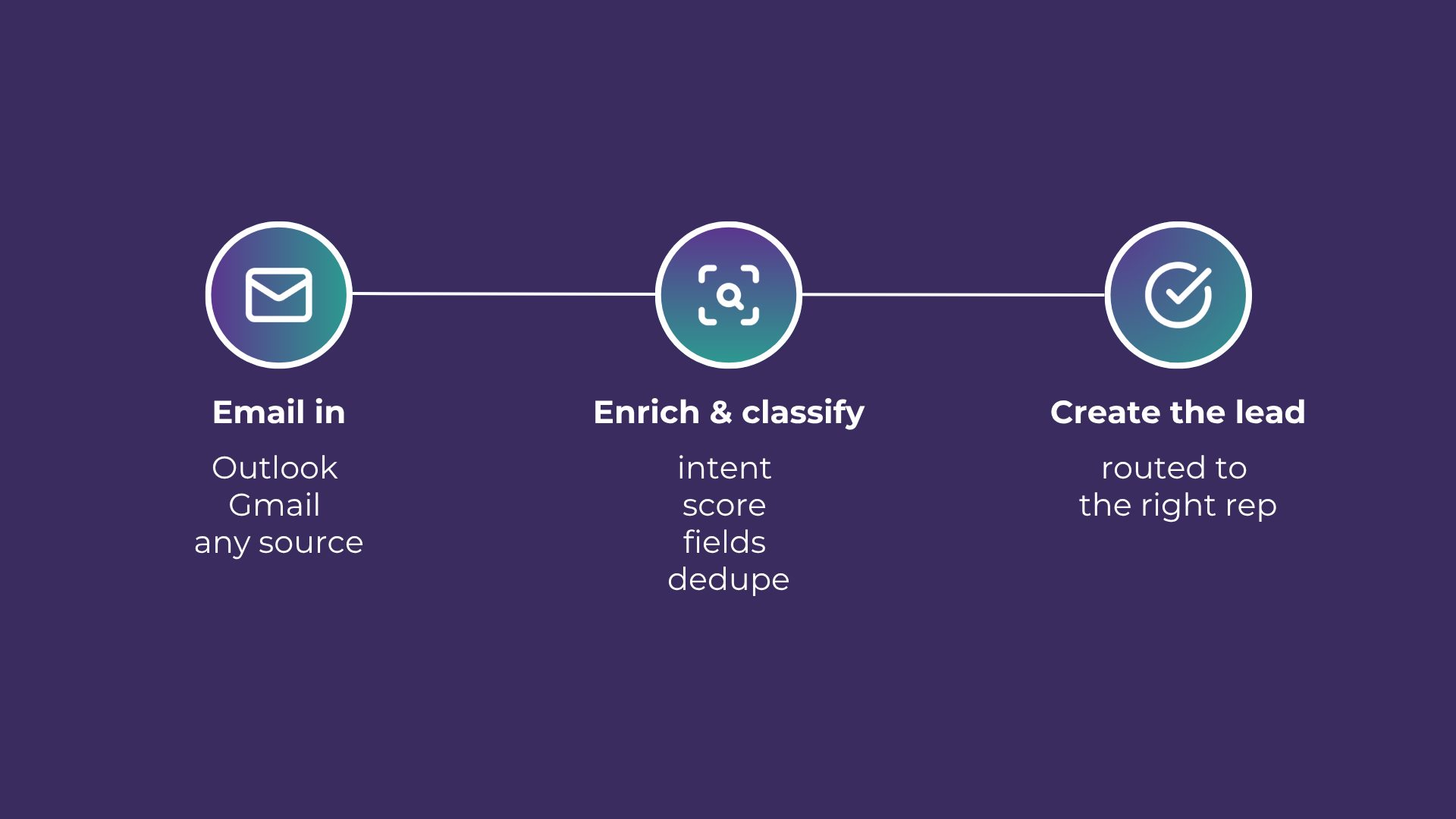
Email-to-Lead: Salesforce Lead Management with AI
Lead management is the lifeblood of any successful sales operation. At a time where customer expectations are higher than ever, ensuring that potential leads are captured and nurtured effectively can make all the difference. Introducing Email-to-Lead – AI Edition.
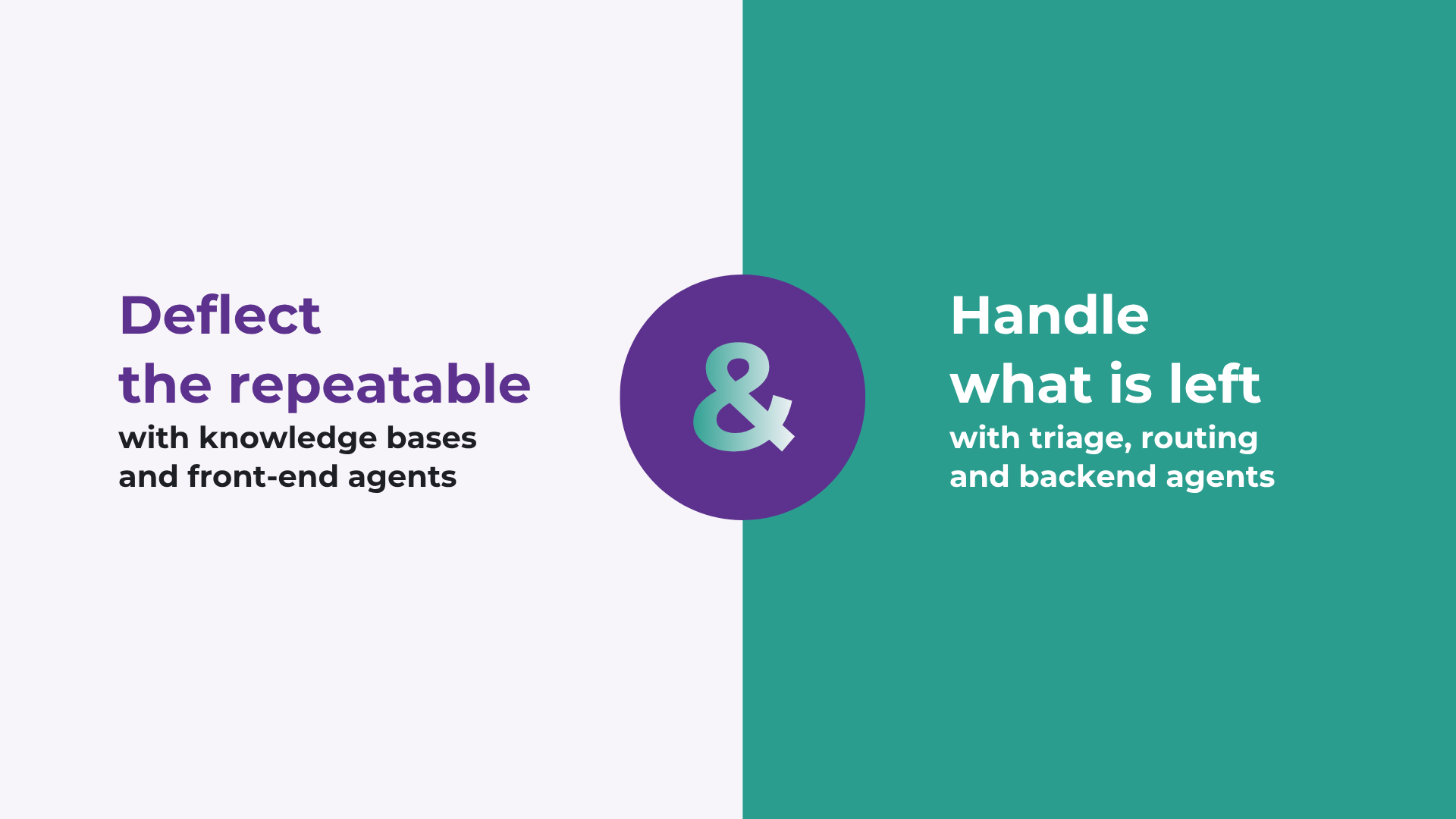
How to improve Salesforce case deflection rates
Deflection only solves half the problem. The cases that do not deflect are the ones that breach SLA. How to improve deflection rates, and how to handle what is left.

Stopping SLA Breaches in High Volume Salesforce Workflows
Learn how to move from reactive reporting to proactive management for better service level agreement adherence.
READY TO SEE IT IN ACTION
Map your workflows with our team.
30 minutes, no prep needed. We will map one workflow you handle today and identify where orchestration would change the outcome.