Designing Salesforce Escalation Paths That Withstand Pressure

The Predictability Gap in High-Stakes Escalations
In certain UK sectors, process failure is not a simple inconvenience. A single mismanaged case in financial services can trigger FCA scrutiny while a delay in a healthcare setting can breach CQC standards. These are not minor operational hiccups. They represent significant regulatory financial and reputational risk. The work is too important to leave to chance.
A common but flawed assumption is that standard Salesforce escalation rules are a ‘set and forget’ solution. While these tools are adequate for simple linear workflows they often prove too brittle for the complexity of high-stakes workflows. The real goal is not just to escalate a case. The goal is to ensure the path it follows is consistent transparent and auditable every single time – especially when exceptions occur.
This gap between a rule firing and a predictable outcome is where risk accumulates. It leads to critical SLA breaches that incur financial penalties. It can cause direct customer harm or reputational damage. In the worst cases it creates operational gridlock when a vital process seizes up. Conventional thinking about automation often falls short in these demanding environments because it focuses on the trigger not the entire journey.
Common Failure Patterns in Case Escalation

Resilient systems are built on an understanding of how things break. In Salesforce case escalation the failure patterns are often predictable and rooted in a disconnect between system design and operational reality. Identifying these patterns is the first step toward building a model that holds up under pressure.
One of the most common issues is misconfigured rule criteria. Rules based on rigid narrow conditions frequently fail to trigger when business processes evolve. If a new service tier is introduced but the Salesforce logic remains static cases associated with that tier may never escalate. They become invisible to the process designed to protect them.
Another frequent problem is notification blind spots. The escalation may fire perfectly within Salesforce but the alert goes to an unmonitored queue a generic email address or a team member who is on leave. The system sees a successful handoff but the case stagnates. This is a failure of the system’s awareness of human availability.
The technical constraint of a single active escalation rule per object also creates bottlenecks. A poorly ordered rule set can cause a low-priority case to block the evaluation of a high-priority one that entered the queue moments later. This creates a hidden delay that is difficult to diagnose without deep inspection.
Finally many escalation paths have an inflexible design that cannot account for real-world variables. A process that breaks during bank holidays staff absences or sudden volume surges is not resilient. It relies on manual intervention to function which erodes trust and introduces inconsistency.
| Failure Pattern | Common Symptom | Operational Impact |
|---|---|---|
| Misconfigured Rule Criteria | Cases of a certain type or age never seem to escalate. | ‘Silent failure’ where critical issues are missed entirely leading to SLA breaches. |
| Notification Blind Spots | Escalated cases show as assigned but have no active owner or response. | Increased resolution time as cases sit in unmonitored queues causing customer dissatisfaction. |
| Single Rule Bottleneck | High-priority cases are delayed without a clear reason. | Critical cases are not actioned in a timely manner increasing risk and potential penalties. |
| Rigid, Inflexible Design | The process breaks during bank holidays staff absences or volume surges. | Operational paralysis and the need for manual intervention eroding trust in the system. |
A Model for Designing Resilient Case Escalation Paths
Building a robust escalation model requires moving beyond simple triggers and designing a complete system. This approach prioritises governance and adaptability ensuring the process is both logical and flexible. A practical model follows a clear sequence of steps.
1. Establish Governance First. Before writing any Salesforce rules you must document the end-to-end process. Define clear ownership for each stage and secure stakeholder agreement on what constitutes an exception and how it should be handled. This governance framework acts as the blueprint for the entire technical build.
2. Structure Rule Entries Logically. As Salesforce guidance suggests you can have only one active escalation rule at a time. This constraint makes the order of your rule entries critical. The most time-sensitive criteria such as ‘Severity 1’ cases or those with high-value regulatory impact must be evaluated first. This prevents them from being delayed by less urgent issues and is fundamental to designing resilient case escalation paths.
3. Implement Dynamic Notifications. Static assignments are a primary point of failure. Instead of routing to a fixed person or queue use strategies for routing alerts based on real-time data. This could include a team member’s current workload listed skills or availability status. This dynamic approach is a core part of the case assignment discipline and ensures the notification always reaches someone who can act on it.
4. Build in Redundancy and Fallbacks. A resilient model assumes that failures will happen. The key is to build a safety net. For example if a primary assignee does not acknowledge an escalated case within a defined timeframe a secondary action should automatically reassign it to their manager or a designated backup team. This creates a predictable fallback path instead of a dead end. As an article from S2 Labs highlights, the “one active escalation rule” limit reinforces why these internal checks and balances within your Salesforce escalation rules are so important.
Monitoring and Adapting Your Escalation Model

Resilience is not a one-off project. It is a continuous process of monitoring adaptation and improvement. A well-designed escalation model must be maintained to remain effective. This begins with tracking the right metrics. Forget vanity metrics and focus on actionable indicators like Time to Acknowledge Escalation Escalation Rate by Case Type and Resolution Time for Escalated Cases. These numbers reveal the health of your process.
Proactive monitoring is essential. A dedicated Salesforce report and dashboard for escalated cases is not a luxury. It is a critical tool for spotting silent failures and recurring bottlenecks before they cause a major incident. This visibility allows you to see patterns that individual case views might miss.
Finally you must implement a regular cycle of audits and stress tests. This means reviewing the escalation logic against recent operational data to ensure it still aligns with business needs. It also involves simulating high-volume scenarios to find the model’s breaking points in a controlled environment. This discipline is a core component of case management best practices.
Ultimately resilience is achieved not by preventing all failures but by building a system that handles them with predictable graceful recovery. A well-designed and actively managed escalation model provides the confidence that your most critical operations are protected. Ask an Expert any question about designing resilient case escalation paths in Salesforce by emailing sales@ortooapps.com.
Related insights
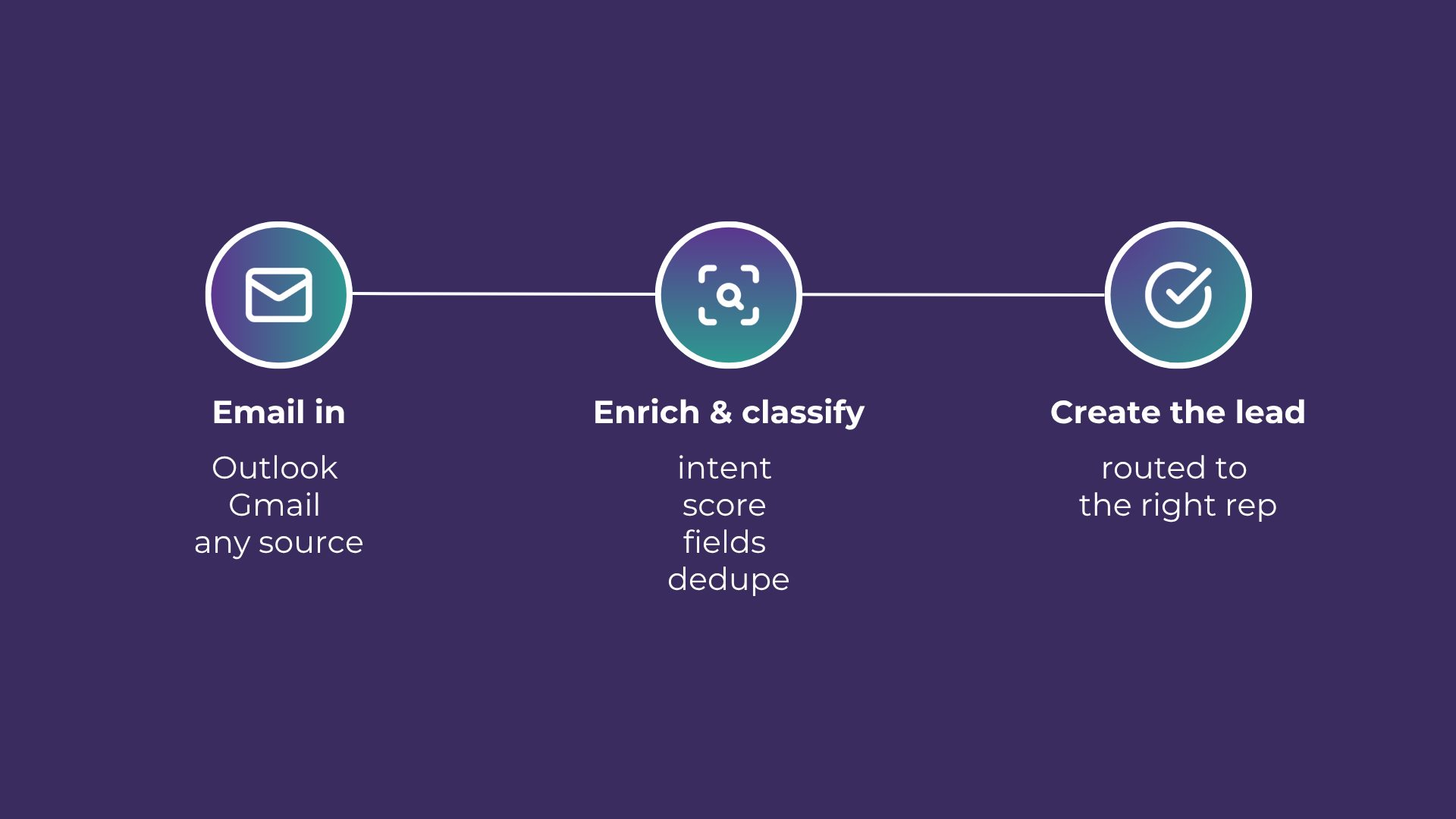
Email-to-Lead: Salesforce Lead Management with AI
Lead management is the lifeblood of any successful sales operation. At a time where customer expectations are higher than ever, ensuring that potential leads are captured and nurtured effectively can make all the difference. Introducing Email-to-Lead – AI Edition.
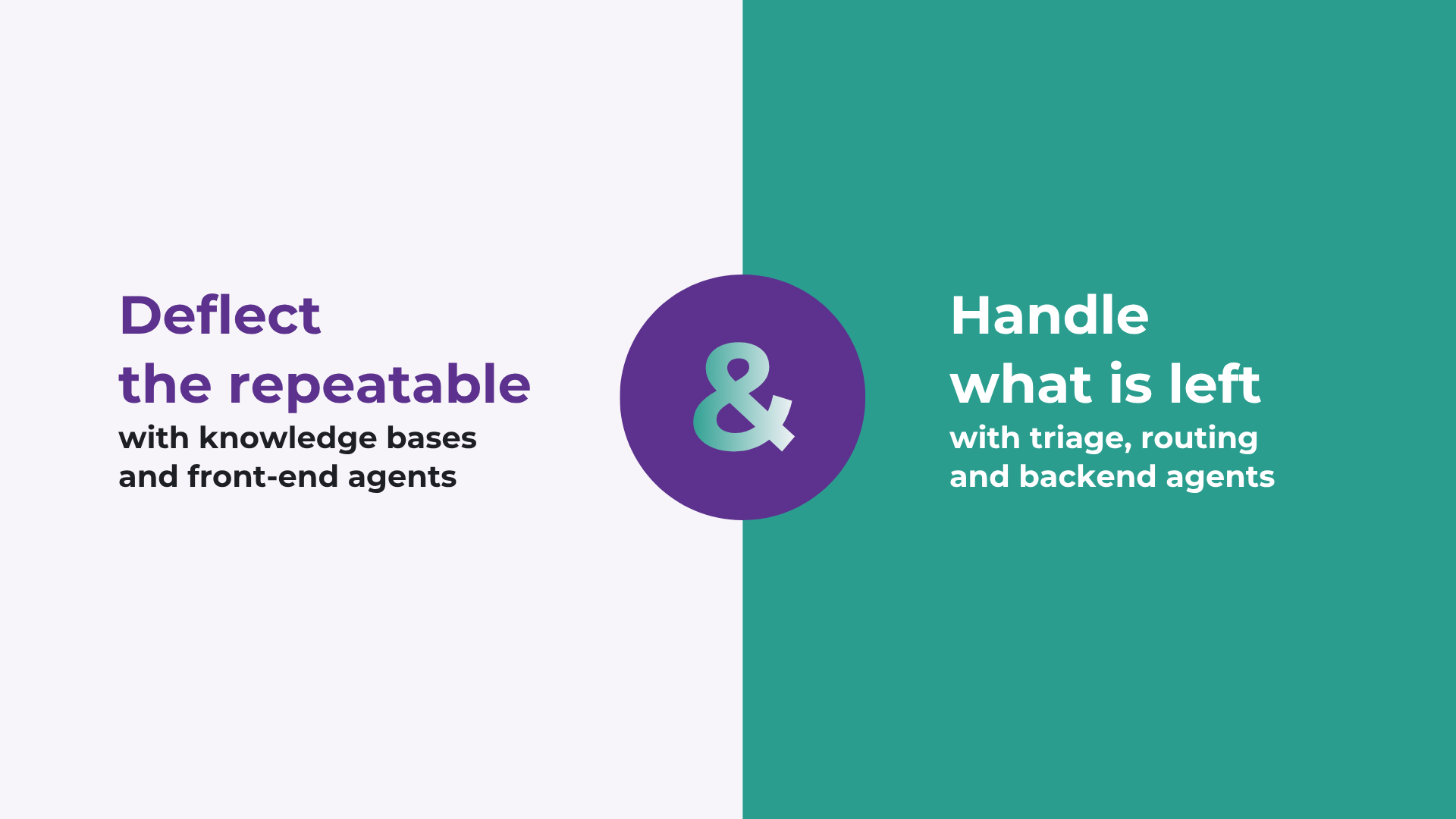
How to improve Salesforce case deflection rates
Deflection only solves half the problem. The cases that do not deflect are the ones that breach SLA. How to improve deflection rates, and how to handle what is left.

Stopping SLA Breaches in High Volume Salesforce Workflows
Learn how to move from reactive reporting to proactive management for better service level agreement adherence.
READY TO SEE IT IN ACTION
Map your workflows with our team.
30 minutes, no prep needed. We will map one workflow you handle today and identify where orchestration would change the outcome.