Proactive SLA Supervision for UK Financial Services

In UK financial services, Service-Level Agreements are not just performance metrics. They are binding commitments that sit at the core of managing financial services operational risk, particularly with third-party providers in claims and lending. Yet many firms treat SLA reports as lagging indicators. This approach has a fundamental flaw – by the time a report shows a breach, the damage is already done. This means financial penalties, operational disruption and reputational harm are already in motion.
In a high-stakes UK context, missed SLA targets in claims adjudication or loan processing can lead directly to customer harm and attract scrutiny from regulators like the Financial Conduct Authority. The problem is a reactive mindset that focuses on historical failures. Effective SLA supervision UK demands a shift from reviewing past performance to a proactive model that uses real-time data to anticipate and prevent breaches before they occur.
Common Failure Points in High-Volume Workflows
The path to an SLA breach is often paved with small, recurring operational failures. These issues are not dramatic one-off events but systemic weaknesses that become visible under the pressure of high-volume work. Within UK financial services, specific failure points appear consistently across claims and lending workflows.
In a typical claims processing workflow, risks accumulate from issues such as:
- Delayed adjudication times for complex insurance claims that require specialist review.
- Incomplete data feeds from third-party loss adjusters, creating bottlenecks.
- Inconsistent application of exception-handling rules by different teams or agents.
Similarly, in lending workflow management, common failure points include:
- Missing turnaround targets for mortgage approvals due to manual handoffs between underwriting and compliance.
- Inaccuracies in credit risk assessments from external agencies that require manual correction.
- Failure to meet regulatory reporting deadlines because of data aggregation delays.
The root cause of these failures in Salesforce often lies in an over-reliance on standard queues, complex manual handoffs and basic automation that cannot adapt to exceptions at scale. As we have explored in our insights on improving insurance operations, these models lack the resilience needed for modern demands. UK regulators like the FCA and Prudential Regulation Authority mandate robust operational resilience, making effective SLA supervision a critical component of demonstrating control. As guidance from bodies like the FDIC highlights in its ‘Tools to Manage Technology Providers’ Performance Risk’ brochure, supervisors expect SLAs to be measurable and regularly reviewed to manage risk effectively.
A Framework for Proactive Risk Detection

A proactive approach to SLA supervision requires translating static, historical metrics into dynamic, forward-looking risk indicators. This is not about working harder but about monitoring smarter. The framework begins with automated dashboards that track leading indicators – not just lagging ones. Instead of only counting final breaches, teams should monitor metrics like work-in-progress volume, processing latency per stage and task error rates.
The next step is to define a ‘signal’ – a meaningful deviation from a performance baseline that serves as an early warning. Dynamic threshold alerts can then flag these signals automatically, notifying supervisors long before a situation escalates into a full breach. The distinction is critical for moving from a reactive to a proactive posture.
| SLA Risk Area | Lagging Indicator (Reactive) | Leading Indicator (Proactive) |
|---|---|---|
| Loan Application Processing | Percentage of applications breaching the 5-day approval SLA | Average time an application spends in the ‘underwriting’ queue |
| Claims Adjudication | Number of claims exceeding the 30-day settlement target | Volume of claims pending required documentation for over 48 hours |
| Third-Party Data Feed | Monthly report of data feed failures | Real-time alerts for API latency exceeding 500ms |
| Regulatory Reporting | Number of late submissions per quarter | Growth in the backlog of unverified transaction data |
This table contrasts traditional, after-the-fact metrics with proactive indicators that provide early warnings of potential SLA breaches. The leading indicators are based on real-time workflow data.
Consider a financial institution that adopted this model for its claims process. By monitoring the volume of claims awaiting documentation for more than 48 hours – a leading indicator – it could reallocate resources to clear backlogs before they threatened the 30-day settlement SLA. The result was a measurable reduction in claim settlement times and a significant drop in related exception tickets.
The Role of Modern Tooling and Governed AI
This proactive framework is enabled by modern work orchestration platforms built on Salesforce. These systems are designed to centralise SLA monitoring across different objects and teams. They can attach dynamic risk ratings to contracts and automate the collection of evidence needed for regulatory reporting. This provides a single source of truth for performance against commitments.
Governed AI enhances this supervision model further. AI-driven anomaly detection can learn performance baselines from historical data and issue pre-emptive alerts on subtle deviations that a human analyst might miss. For example, it could flag a slight but consistent increase in the time taken to process a specific type of loan application, indicating a potential training issue or system bottleneck. This capability supports human oversight – it does not replace it. It provides the signal that allows managers to investigate and act.
Of course, challenges remain. Maintaining end-to-end SLA visibility with complex, API-driven services is difficult and data latency can mask performance decay. However, the right tooling makes this manageable. A lender that integrated real-time SLA oversight for its mortgage processing was able to identify and resolve a third-party data feed issue before it caused a cascade of delayed loan postings. This not only prevented customer complaints but also resulted in zero SLA-related findings in its subsequent supervisory exam, demonstrating strong Salesforce operational resilience.
Building a Resilient Supervision Model in Salesforce

The key to managing operational risk in high-volume claims and lending is to evolve from reactive SLA reporting to proactive, real-time SLA supervision UK. This requires a clear operational framework, a focus on leading indicators and intelligent tooling designed to orchestrate complex work at scale within the Salesforce platform. By adopting this approach, organisations can transform Salesforce from a simple system of record into a resilient system of work. To explore how work orchestration can strengthen your SLA supervision framework, visit https://www.ortooapps.com.
If you have a specific question about SLA supervision in claims and lending, Ask an Expert by emailing sales@ortooapps.com.
Related insights
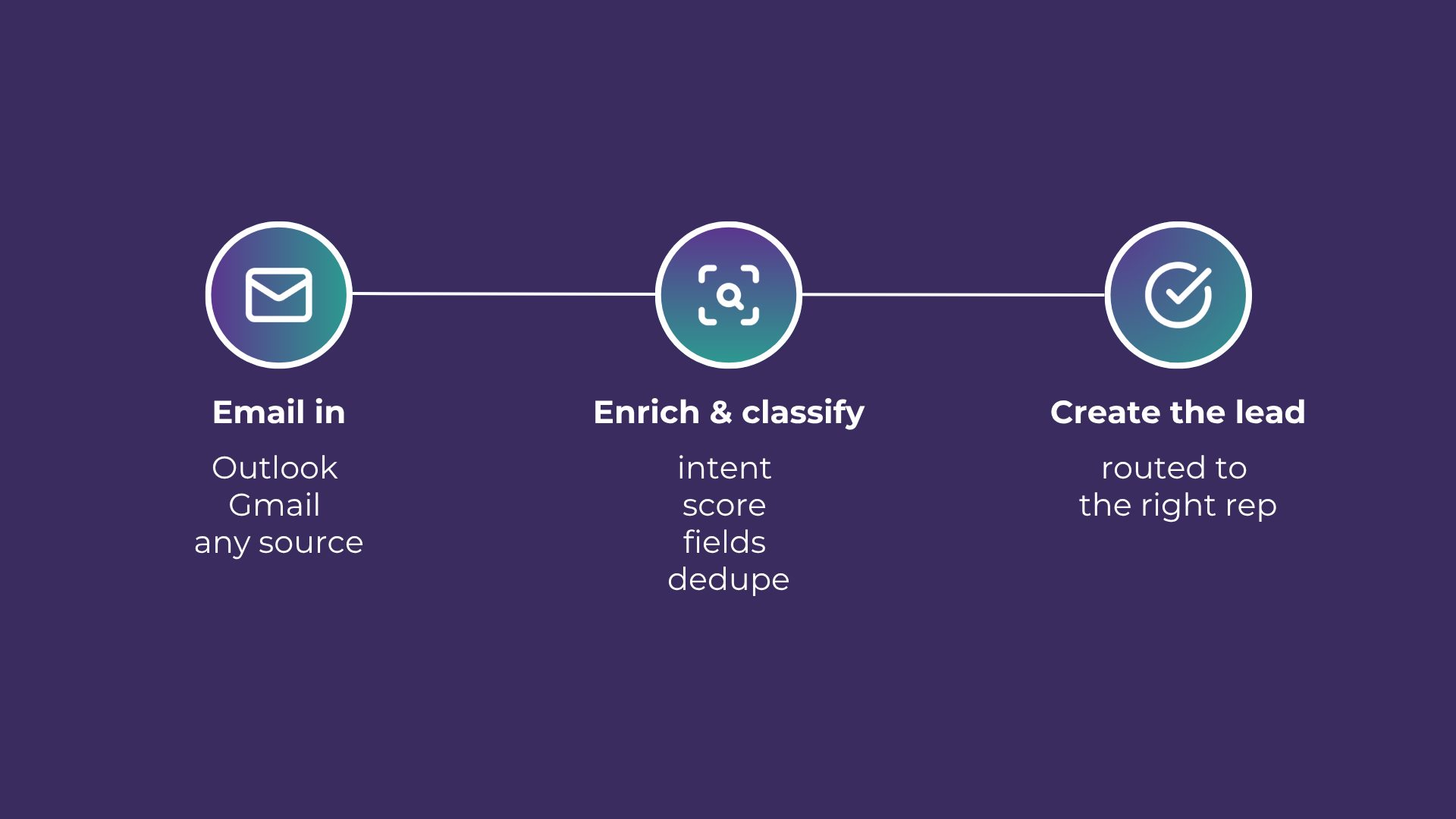
Email-to-Lead: Salesforce Lead Management with AI
Lead management is the lifeblood of any successful sales operation. At a time where customer expectations are higher than ever, ensuring that potential leads are captured and nurtured effectively can make all the difference. Introducing Email-to-Lead – AI Edition.
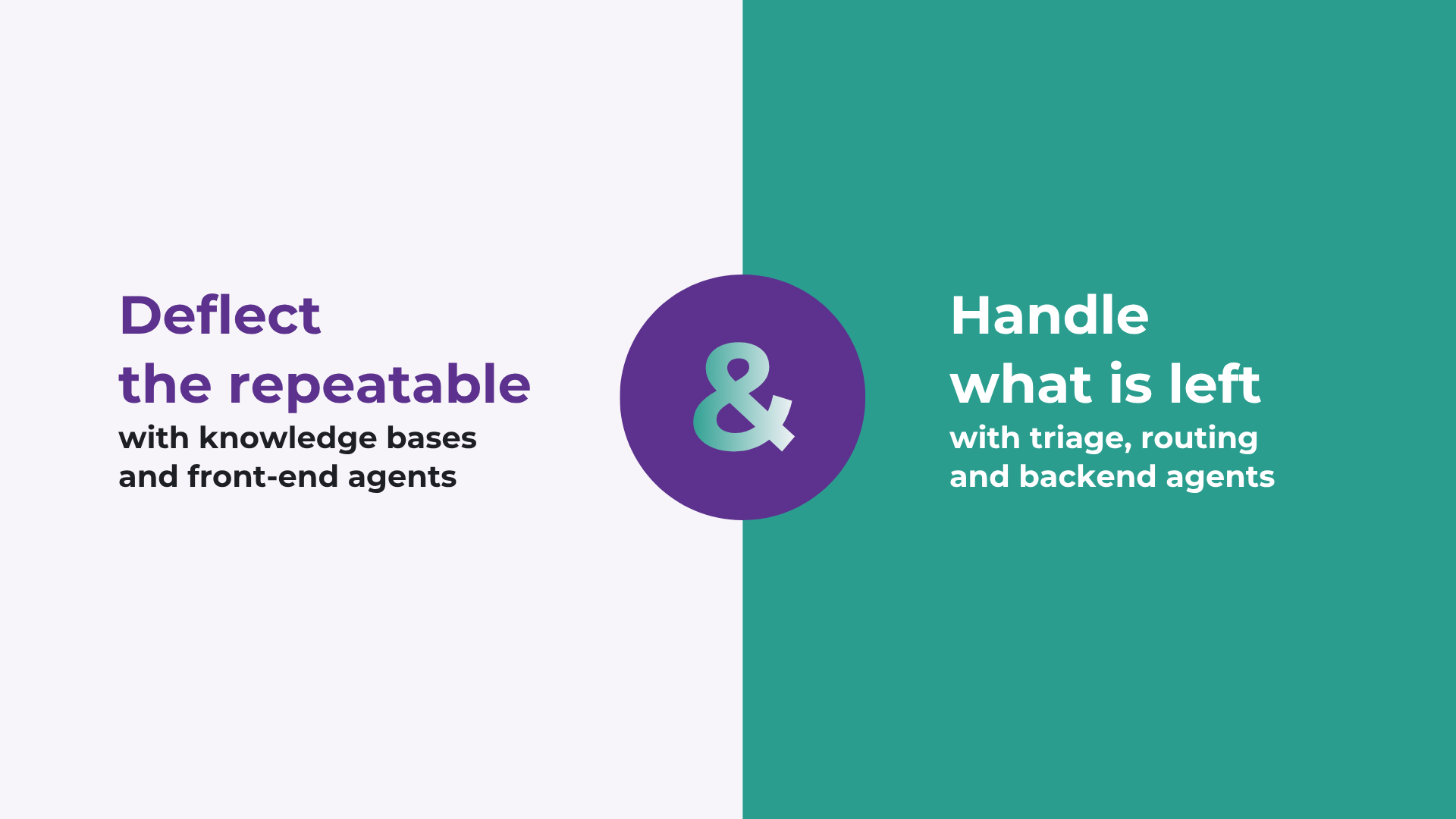
How to improve Salesforce case deflection rates
Deflection only solves half the problem. The cases that do not deflect are the ones that breach SLA. How to improve deflection rates, and how to handle what is left.

Stopping SLA Breaches in High Volume Salesforce Workflows
Learn how to move from reactive reporting to proactive management for better service level agreement adherence.
READY TO SEE IT IN ACTION
Map your workflows with our team.
30 minutes, no prep needed. We will map one workflow you handle today and identify where orchestration would change the outcome.