Preventing Critical SLA Breaches in High Stakes Salesforce Workflows

The True Risk Behind a Failing SLA
In high-stakes UK industries like financial services or insurance, a Service Level Agreement is not just a performance metric. It is a direct proxy for operational integrity and regulatory compliance. Teams often misjudge the risk of a breach, seeing only a potential customer complaint or a minor contractual penalty. The true implication is far more severe – a visible breakdown in control over high-stakes workflow management that can attract unwelcome scrutiny from bodies like the Financial Conduct Authority (FCA).
A delayed mortgage application or a mishandled insurance claim is not an isolated event. It is a symptom of a systemic failure in workflow visibility. When work is not properly supervised from start to finish, these small failures accumulate until they represent a material risk to the business. The problem is not just that a task is late but that the system allowed it to become late without warning.
This reframes the challenge from a simple performance issue to one of systemic risk. To manage this, organisations need continuous oversight. This is where Salesforce lifecycle supervision provides the necessary model, enabling teams to monitor and manage work throughout its entire journey and identify risks long before they become critical breaches.
Why Standard Queues and Flows Fail at Scale

Many teams rely on standard Salesforce queues, assignment rules and Flows to manage their work. Under low volume and complexity, these tools can be adequate. But as pressure mounts, their reactive nature becomes a significant liability. Queues often become black boxes where work stagnates unseen, making proactive Salesforce case management impossible. An urgent task can sit idle for hours or days simply because no one was alerted to its presence.
Salesforce Flows, while powerful for automating linear processes, are often brittle. They are designed to execute actions based on a specific trigger or event but lack the ability to supervise the entire journey of a work item. They cannot easily handle the exceptions, escalations or dynamic reprioritisation that are inherent in complex work. When a process deviates from the expected path, the automation breaks and the work item is left in limbo.
This reactive posture is the root cause of most SLA failures. A team only discovers a problem after a milestone is missed or a dashboard turns red. By that point, it is already too late to prevent the breach. The system lacks the intelligence to see trouble coming because it is not designed to look for it.
| Factor | Standard Tools (Queues & Flows) | Lifecycle Supervision |
|---|---|---|
| Visibility | Reactive – based on triggers and events | Continuous – end-to-end journey monitoring |
| Exception Handling | Brittle – linear paths break easily | Dynamic – adapts to changes and exceptions |
| Risk Detection | Lagging – flags breaches after they occur | Leading – predicts bottlenecks and delays |
| Operational Posture | Passive – waits for something to happen | Active – supervises work in real time |
Implementing Salesforce Lifecycle Supervision
So what does a more proactive approach look like in practice? Salesforce lifecycle supervision is an operational model for continuous, state-aware monitoring of any work item – whether a case, lead or application – throughout its entire journey. It moves beyond simple automation to provide intelligent oversight. This model is built on a few core components that work together to prevent SLA breaches in Salesforce.
- Real-time Milestone Tracking
This goes beyond a simple SLA timer. It involves actively monitoring the time-in-stage for every step of a process. By tracking how long a work item spends in each status, the system can identify emerging bottlenecks and predict delays before they endanger the final deadline. - Dynamic Risk Assessment
A supervised system can flag an item as ‘at-risk’ based on a combination of factors, not just its proximity to a deadline. This could include its age, its complexity, a history of reassignments or a simple lack of progress. This provides a much richer, context-aware view of risk. - Automated Intervention
Crucially, supervision triggers intelligent actions *before* a breach occurs. This is not just a notification. It could involve automatically escalating a stalled case to a senior agent, reassigning it to a specialist with more capacity or notifying a manager for immediate review. The intervention is targeted and timely.
Consider a mortgage application in a financial services workflow. The final SLA might be 30 days, but a lifecycle supervision model would know that if an application sits in the ‘underwriting’ stage for more than 48 hours, it is at high risk of delay. The system would automatically flag it for review, alerting the team to a potential problem while there is still ample time to resolve it. This approach requires a focus on building a complete system for operations that connects intake, assignment and supervision.
Leading Indicators of Workflow Distress

Preventing breaches requires shifting focus from lagging indicators – like a missed SLA – to the leading indicators that predict trouble. The single most important signal to watch is an increase in the average ‘time-in-stage’ for critical steps in a workflow. This metric is a far more sensitive barometer of operational health than overall case duration or total volume. Effective Salesforce SLA monitoring depends on tracking these granular process metrics, not just the final outcome.
Other subtle signals of distress often hide in plain sight. These are the early warnings that your process is under strain:
- A rising number of manual reassignments, which indicates that your automated routing logic is no longer fit for purpose.
- A spike in cases or tasks requiring exception handling, showing that the standard process is not resilient enough to handle real-world complexity.
- A growing backlog in a specific team’s queue, which clearly pinpoints a resource or skill bottleneck that will soon impact the entire workflow.
These leading indicators are often invisible in standard Salesforce reports and dashboards. A system can appear healthy on the surface – with overall volumes and closure rates looking stable – while underlying processes are approaching a breaking point. A lifecycle supervision model is designed to expose these hidden strains before they cause a critical failure.
Designing for Resilience Not Reaction
Ultimately, the effort to prevent SLA breaches in Salesforce requires a fundamental shift in operational design. It means moving away from brittle, reactive automation and toward proactive, intelligent supervision. This is not about adding another tool or dashboard. It is a strategic choice to build a more resilient operating model that can handle increasing volume and complexity without failing.
For experienced operators, this approach transforms Salesforce from a passive system of record into an active system of work. It provides the control and visibility needed to manage growth, handle exceptions and meet commitments with confidence. This is the core principle of modern work orchestration.
If you are evaluating how to implement lifecycle supervision in your own Salesforce environment, you can discuss your use case with our team. For any other questions about preventing SLA breaches in Salesforce workflows, you can Ask an Expert by emailing sales@ortooapps.com.
Related insights
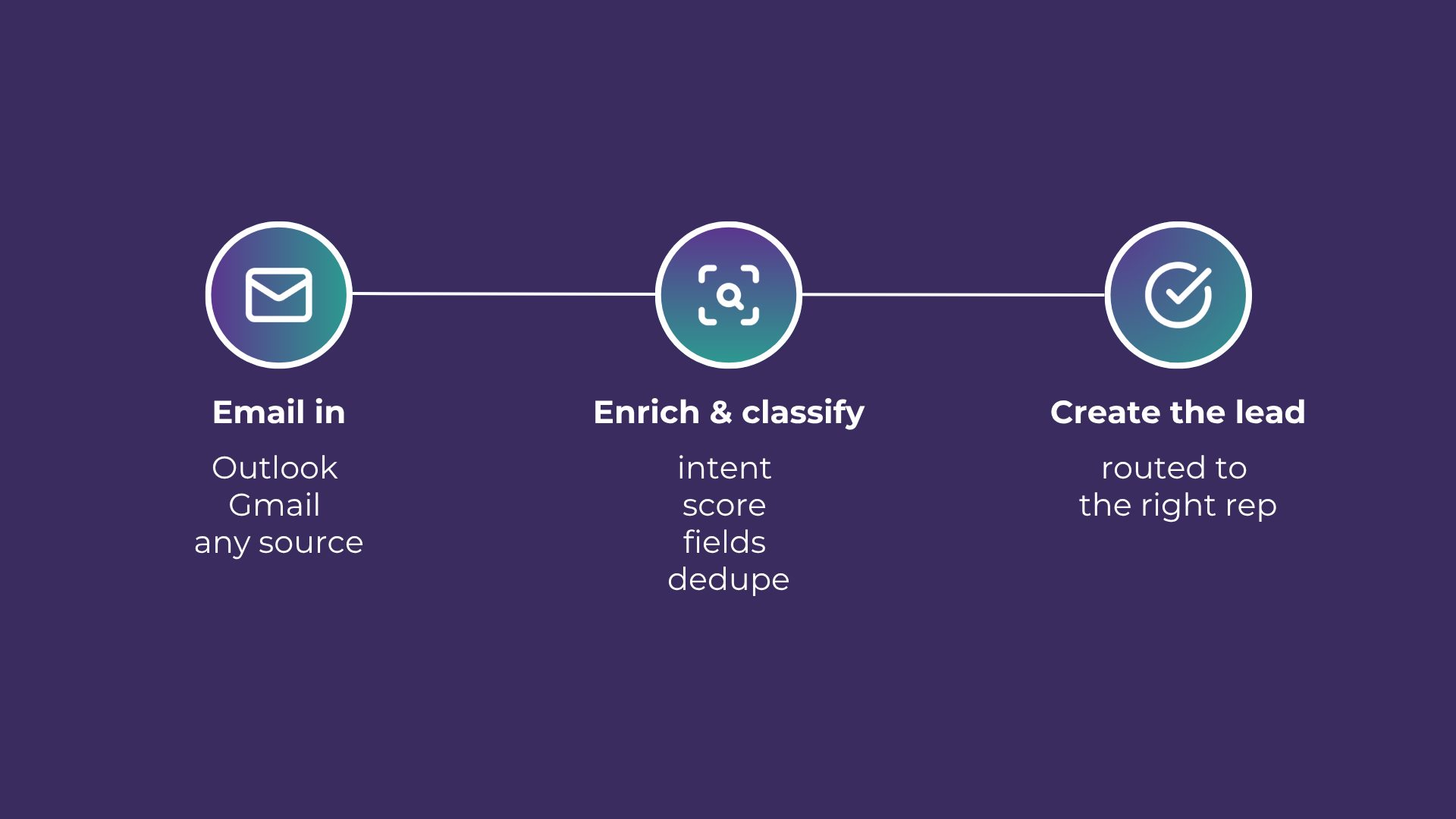
Email-to-Lead: Salesforce Lead Management with AI
Lead management is the lifeblood of any successful sales operation. At a time where customer expectations are higher than ever, ensuring that potential leads are captured and nurtured effectively can make all the difference. Introducing Email-to-Lead – AI Edition.
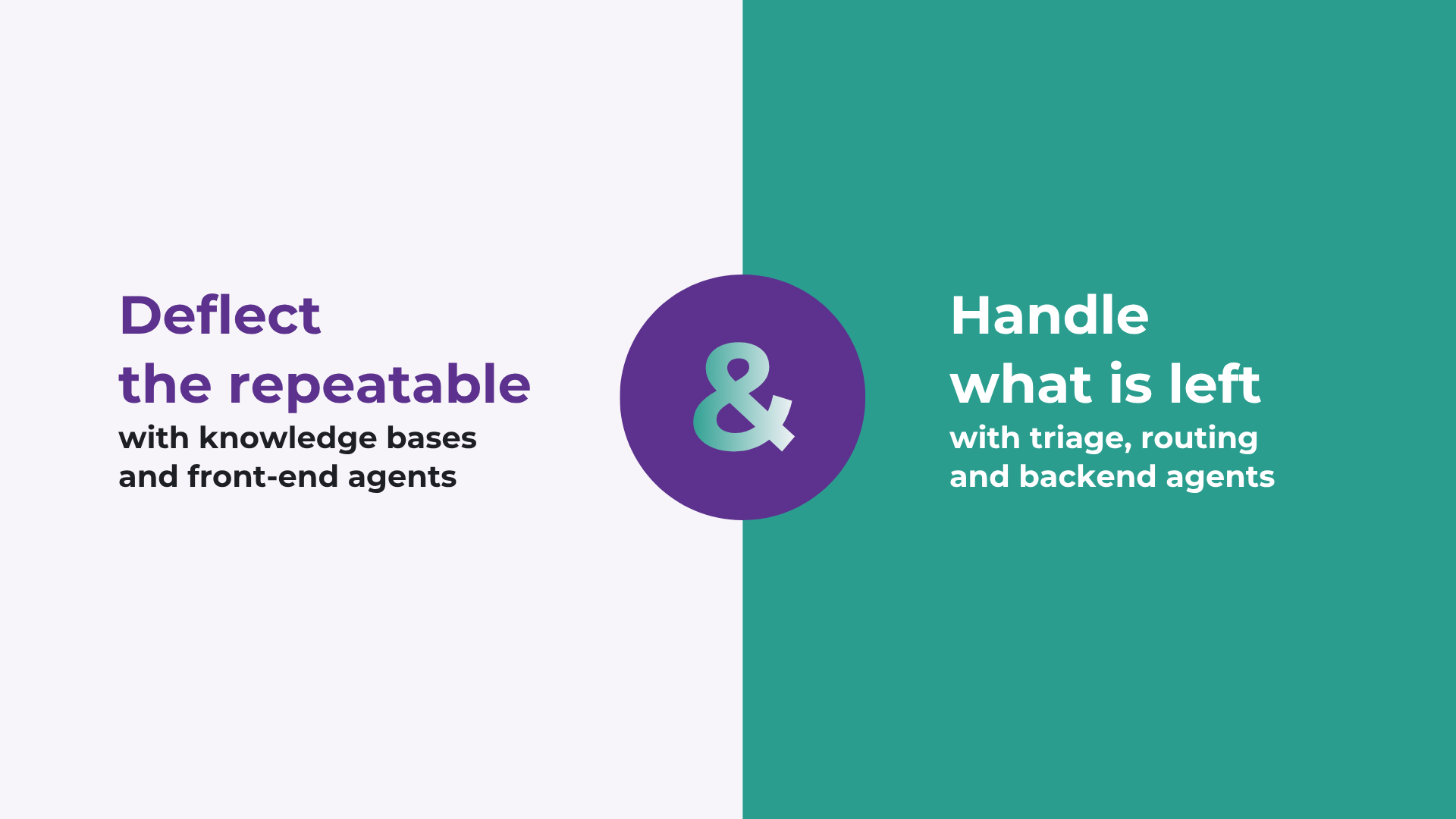
How to improve Salesforce case deflection rates
Deflection only solves half the problem. The cases that do not deflect are the ones that breach SLA. How to improve deflection rates, and how to handle what is left.

Stopping SLA Breaches in High Volume Salesforce Workflows
Learn how to move from reactive reporting to proactive management for better service level agreement adherence.
READY TO SEE IT IN ACTION
Map your workflows with our team.
30 minutes, no prep needed. We will map one workflow you handle today and identify where orchestration would change the outcome.