Orchestrating Salesforce Lead Intake for SLA Compliance

Many operations teams are measured on one thing: speed. The pressure to assign new leads in minutes or even seconds often becomes the primary goal. But this focus on raw velocity is a misconception that creates significant downstream problems and puts service level agreements at risk.
The Misconception of Speed in Lead Assignment
The obsession with assigning leads as fast as possible is understandable but misguided. While responsiveness is important, prioritising speed over accuracy leads to rework delays and a poor customer experience. Think of it like a postal service. The goal is not just to get a letter out of the sorting office quickly but to ensure it reaches the correct address. A letter sent to the wrong house in five minutes is less useful than one delivered to the right house in an hour.
Simple assignment models like round-robin or first-available often fail this test. They ignore critical context such as agent expertise territory or the specific product a lead is interested in. A highly technical enquiry might land with a junior sales rep while a lead from a key territory is assigned to someone on the other side of the country. This initial misstep forces internal re-assignment which wastes time and delays the first meaningful contact with the prospect.
This is where the entire purpose of a service level agreement begins to break down. The clock is ticking but the lead is stuck in an internal loop of clarification and handoffs. The objective must be reframed. The goal is to build a system where accuracy is the priority. When you orchestrate lead intake and assignment for precision speed becomes a natural and reliable outcome not a frantic and often counterproductive target.
The Scaled Costs of Inefficient Lead Routing

A poorly designed Salesforce lead routing process does more than just slow things down. At scale it introduces significant costs and risks that are often hidden within daily operations. These small repeated failures accumulate into major business problems that affect compliance efficiency and growth.
The consequences manifest in four key areas:
- Compliance Failures. In regulated industries a missed SLA is not just a lost opportunity. For UK financial services firms governed by the FCA or healthcare providers monitored by the CQC failing to respond within a mandated timeframe can trigger regulatory scrutiny and penalties. Compliance is non-negotiable and a manual or unreliable assignment process is a direct threat to it.
- Operational Drag. We can all picture the wasted effort. A sales rep spends their morning investigating and re-assigning incorrectly routed leads. An operations manager steps in to mediate disputes over lead ownership. This constant rework erodes team morale and pulls skilled people away from valuable activities. This kind of operational drag is a challenge we explore in our guide to optimising operational workflows.
- Customer Experience Degradation. Consider the prospect’s perspective. They submit an enquiry and wait. When contact finally comes it is from the wrong person who needs to transfer them. This first impression suggests disorganisation and damages trust before a relationship can even begin.
- Data Integrity Issues. Every manual override and inconsistent re-assignment corrupts your Salesforce data. Over time this makes accurate reporting impossible. You cannot analyse team performance or forecast effectively if the underlying data about who handled what and when is unreliable. This prevents any future attempts at intelligent automation.
A Framework for Orchestrating Lead Workflows
Moving from a reactive to a predictable system requires a structured lead management framework. Instead of relying on manual intervention you can build a methodical process in Salesforce that ensures every lead is handled correctly and on time. This framework consists of four essential layers each using specific Salesforce tools to achieve a clear objective.
Here is a practical blueprint for orchestrating your lead workflows:
- Standardise Intake with Validation Rules. The process starts with clean data. Use Salesforce Validation Rules to enforce consistency the moment a lead is created. Ensure mandatory fields like country industry or product interest are completed. This provides the clean structured data needed for accurate routing and prevents leads from getting stuck due to missing information.
- Build Tiered Lead Assignment Rules. Once data is clean you can route it effectively. Use Salesforce’s native lead assignment rules to create a clear hierarchy. As highlighted in best practices from sources like Salesforce Ben you should start with your most specific criteria first – for example routing a lead about a specific product in a specific region to a named expert. Then create broader rules for more general enquiries. This tiered logic ensures the right person gets the lead first time as we detail in our guide to lead assignment.
- Automate Timers and Escalations with Salesforce Flow. To guarantee Salesforce SLA compliance you need proactive monitoring. Use Salesforce Flow to automatically start a timer the moment a lead is assigned. If the lead is not actioned within a set period – say 75% of your SLA window – the Flow can trigger an alert to the agent and their manager. If the SLA is about to be breached the Flow can automatically escalate the lead to a manager or a different queue.
- Implement a Fallback Queue for Exceptions. No automated system is perfect. You need a safety net. Create a dedicated queue for any leads that fail to meet any of your assignment criteria. This ensures no lead is ever lost. An operations team can then review this queue daily to handle exceptions and identify gaps in the routing logic.
| Step | Salesforce Tool | Primary Objective | SLA Impact |
|---|---|---|---|
| 1. Standardise Intake | Validation Rules | Enforce data consistency at creation | Provides clean data for accurate routing |
| 2. Tiered Assignment | Lead Assignment Rules | Route leads based on a clear hierarchy | Ensures leads go to the right person first time |
| 3. Automate Timers | Salesforce Flow | Monitor lead age and trigger alerts | Proactively prevents SLA breaches |
| 4. Create Fallback | Queue Management | Catch any leads that fail routing rules | Guarantees no lead is ever lost |
The Critical Signal of a Failing Process

Once your framework is in place how do you monitor its health without getting lost in complex reports? There is one critical signal to watch: the number of leads that land in your fallback queue. This single metric is the most direct indicator of a process failure. A low and stable number means your system is working as designed. A sudden spike tells you something is broken.
This signal reveals problems that need immediate attention. It could be a new web form sending inconsistent data that your validation rules are not catching. It might be that your business has expanded into a new territory but the assignment rules have not been updated to reflect that. Or perhaps a product name has changed and the old logic no longer applies.
Instead of viewing the fallback queue as a failure point treat it as a valuable diagnostic tool. Your operations team should analyse the leads in this queue every week. What patterns do they see? Where are these leads coming from? Answering these questions provides the insights needed for continuous improvement allowing you to refine your intake and routing logic before small issues become large problems.
A structured framework transforms lead management from a chaotic reactive task into a predictable automated workflow. This system not only ensures Salesforce SLA compliance but also builds a scalable foundation for growth. Ask an Expert any question about orchestrating lead intake and assignment for SLA compliance in Salesforce by emailing sales@ortooapps.com.
Related insights
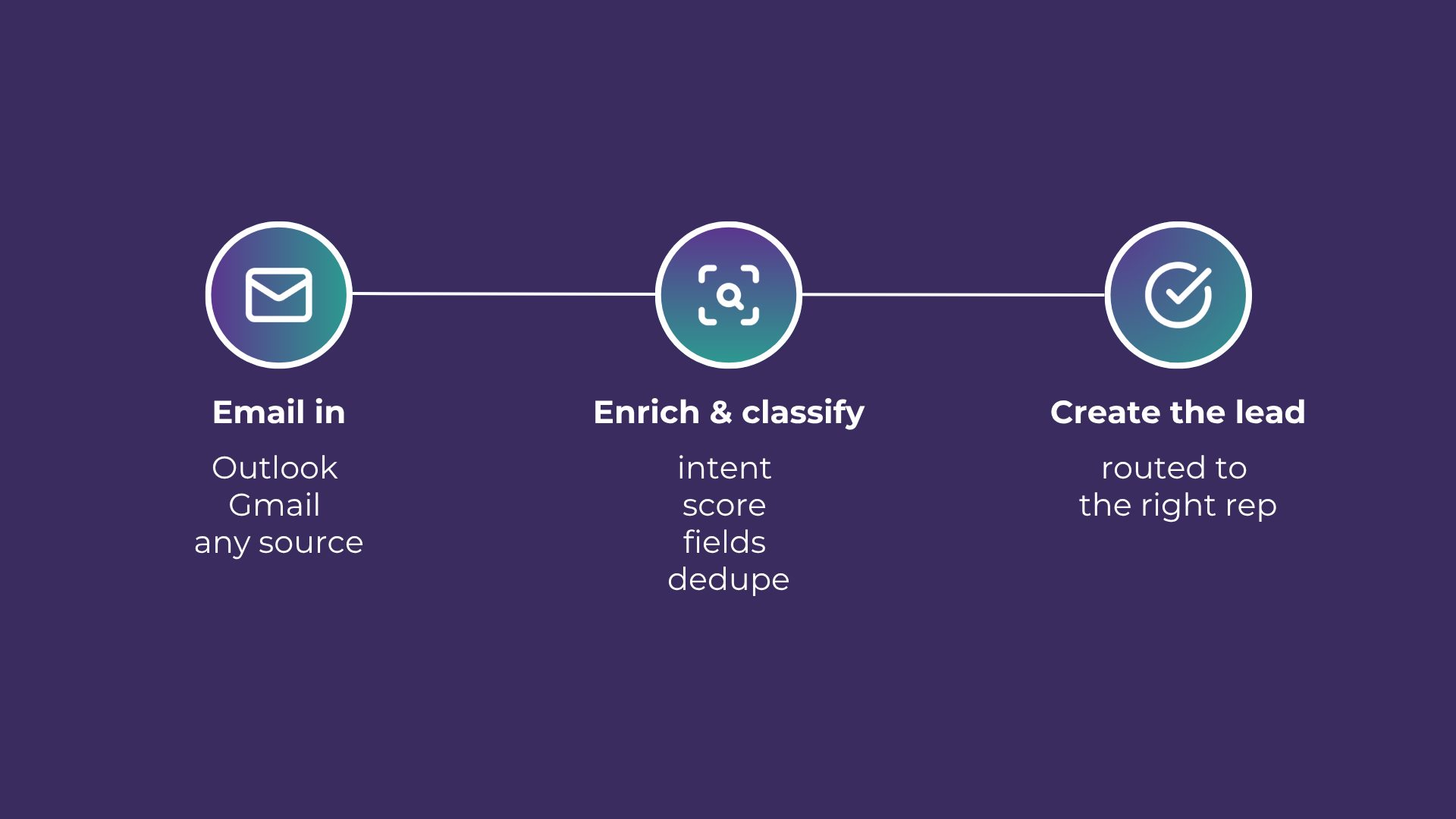
Email-to-Lead: Salesforce Lead Management with AI
Lead management is the lifeblood of any successful sales operation. At a time where customer expectations are higher than ever, ensuring that potential leads are captured and nurtured effectively can make all the difference. Introducing Email-to-Lead – AI Edition.
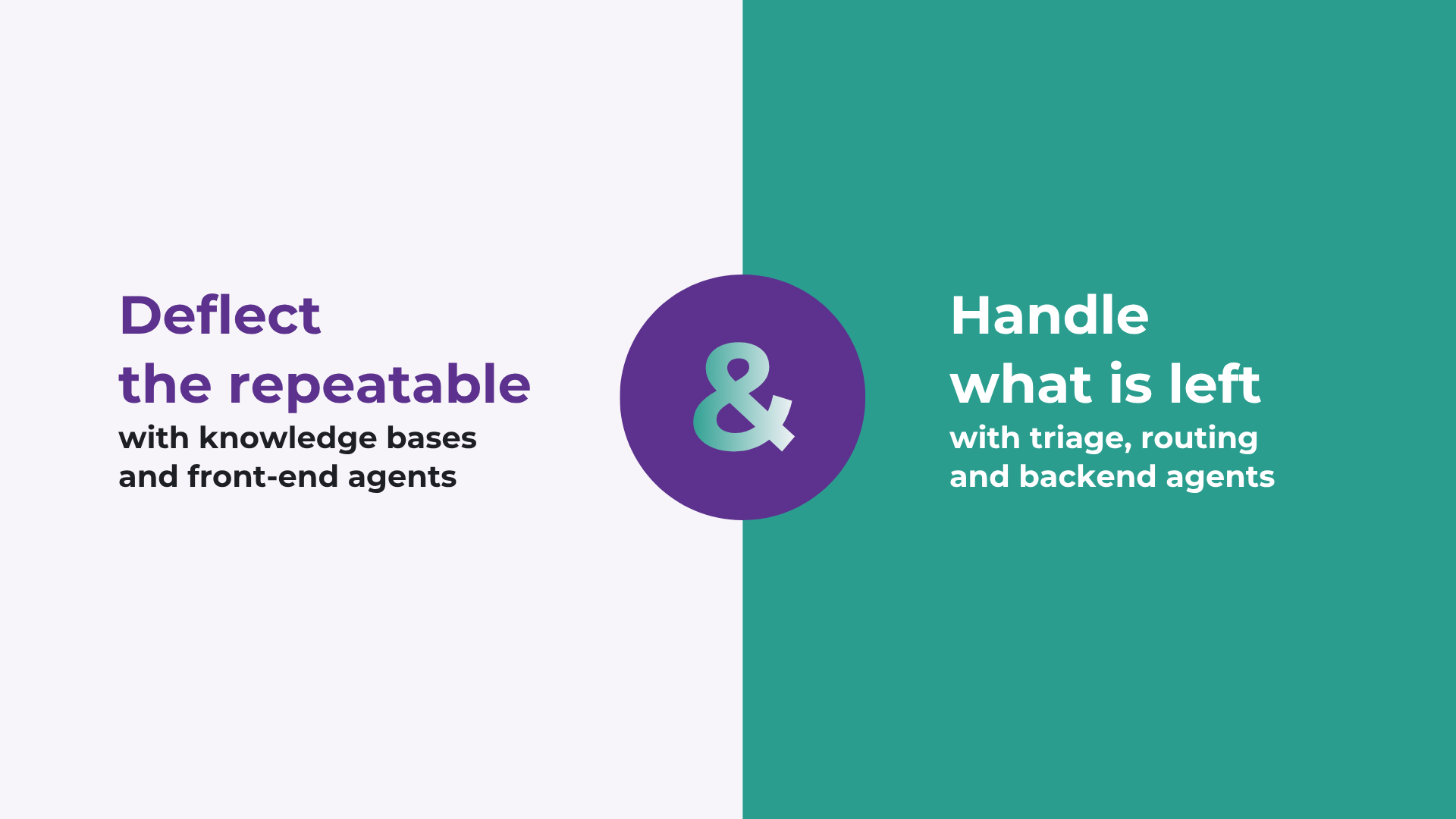
How to improve Salesforce case deflection rates
Deflection only solves half the problem. The cases that do not deflect are the ones that breach SLA. How to improve deflection rates, and how to handle what is left.

Stopping SLA Breaches in High Volume Salesforce Workflows
Learn how to move from reactive reporting to proactive management for better service level agreement adherence.
READY TO SEE IT IN ACTION
Map your workflows with our team.
30 minutes, no prep needed. We will map one workflow you handle today and identify where orchestration would change the outcome.