Orchestrating Insurance Claims Beyond FNOL Queues

The Limits of Linear Claims Processing
Many insurers approach claims handling as a predictable, linear sequence. The process often starts with a First Notice of Loss (FNOL) and ends in a queue, waiting for the next available adjuster. This model, supported by basic insurance workflow automation, appears efficient on the surface. Yet it fundamentally misjudges the nature of claims work. At scale, claims are rarely uniform or simple.
A ‘first-in, first-out’ system cannot cope with the true complexity of the FNOL to settlement process. Each claim involves multiple handoffs, dependencies and communication loops with policyholders, repair networks and internal experts. When these variables meet a rigid, sequential workflow, the system quickly becomes overwhelmed. This is where the concept of insurance claims orchestration becomes necessary. It represents a shift from automating isolated tasks to intelligently coordinating the entire system of work within Salesforce, acknowledging that a claim is a complex case to be managed, not just a ticket to be closed.
The Hidden Costs of a Fragmented System

Relying on a linear, queue-based model for Salesforce claims management creates significant friction that extends beyond messy backlogs. The costs are felt across the entire operation. Operationally, this fragmentation leads to inconsistent service levels and breached SLAs. When complex claims get stuck or simple ones are delayed, claims leakage increases through manual errors and poor decision making under pressure. The financial impact is direct and measurable.
The human cost is just as severe. For policyholders, a disjointed process means frustrating delays and a constant need to follow up for status updates. For adjusters, the reality is a day spent on low-value administrative work – chasing information, re-assigning tasks and manually updating records. This administrative burden is a primary driver of burnout and high staff turnover. Furthermore, this lack of systematic oversight introduces serious compliance exposure. Without a complete and coherent audit trail for every action and decision, insurers face significant regulatory and legal risks. The problem is not a lack of effort from the team but a system that works against them.
A Pattern for End-to-End Claims Orchestration
A more resilient approach treats the claims journey as a dynamic system to be managed, not a rigid process to be enforced. An effective orchestration pattern moves beyond simple automation to coordinate work intelligently from intake to closure. This model can be understood in three distinct stages.
Stage 1: Intelligent Intake and Triage
Instead of just creating a generic case, an orchestrated intake process automatically validates and enriches FNOL data from any channel. It can segment claims by complexity, value or type, ensuring high-priority incidents are flagged immediately. This moves the process from reactive data entry to proactive case shaping from the very first touchpoint.
Stage 2: Dynamic Assignment and Adjudication
Static queues are replaced with dynamic, skills-based assignment. The system routes each claim to the best-fit adjuster based on their expertise, current workload and even language skills. Throughout the adjudication phase, the orchestration engine supervises progress against key milestones, automatically flagging stalls or potential SLA breaches before they become critical.
Stage 3: Coordinated Settlement and Closure
The final stage is often where linear processes fail, relying on manual handoffs to finance or other departments. Orchestration coordinates these final steps, managing payment approvals, triggering automated notifications to all stakeholders and ensuring a complete audit trail is logged. This creates a seamless conclusion for both the customer and the internal teams. As we have seen in our work with insurance operations, this structured approach provides control and visibility across the entire lifecycle.
This table contrasts the reactive nature of traditional claims processing with the proactive, system-level control offered by an orchestration model.StageTraditional Approach (Linear Queue)Orchestration Approach (Dynamic System)Intake & TriageManual data entry, generic case creationAutomated data validation, enrichment and segmentationAssignment & AdjudicationFirst-in, first-out assignment to generalist queuesSkills-based routing to best-fit adjuster with milestone supervisionSettlement & ClosureManual handoffs to finance, siloed communicationCoordinated payment, automated notifications and complete audit trail
Enabling the Orchestration Model in Salesforce

Implementing this pattern requires a conceptual shift – using Salesforce as a system of work, not merely a system of record. It is about building an intelligent layer on top of the data to coordinate activity. Governed AI plays a crucial role here, but its purpose is to support, not replace, human expertise. For example, AI can analyse a claim and suggest a next best action or flag a high probability of fraud for human review. This augments the claims adjuster workbench, allowing adjusters to focus on critical thinking and decision making.
A core component of this model is lifecycle supervision. An orchestration engine must actively monitor every claim, watching for stalls, delays or deviations from the expected path. When an issue is detected, it can automatically escalate the claim or notify a manager, ensuring nothing falls through the cracks. This proactive oversight is impossible with standard Salesforce automation alone. Finally, effective orchestration acknowledges that claims data often lives in multiple systems. Integrating policy, billing and third party data into a single, coherent view within Salesforce is fundamental to making intelligent, context-aware decisions throughout the claims journey.
Signals Your Claims Process Is Breaking
How do you know if your current claims process is reaching its limits? Leaders can look for several clear signals that indicate a linear, queue-based model is failing. While a growing backlog is the most obvious symptom, other, more subtle indicators often appear first. These are signs of systemic friction, not isolated incidents.
Watch for these quantitative and qualitative signs:
-
High Reassignment Rates: A significant percentage of claims require manual reassignment after the initial allocation, indicating the first touch was wrong.
-
Inconsistent Cycle Times: Similar claim types have wildly different resolution times, suggesting the process is unpredictable and not standardised.
-
Growing Backlog vs Capacity: The backlog of open claims is growing faster than your team’s capacity to close them, even with everyone working at full tilt.
-
Adjuster Feedback: Your most experienced adjusters complain about repetitive administrative tasks, information silos or “having to fight the system” to get work done.
These signals are not just operational metrics. They are symptoms of a system under strain. Listening to your team’s frustrations is often the most accurate diagnostic tool you have.
Building a Resilient Claims Operation
Moving beyond linear workflows is essential for building a claims operation that is both efficient and resilient. The crucial shift is from a task-based view to a holistic, system-level model for insurance claims orchestration. This approach provides the control and visibility needed to manage complexity at scale, reduce operational risk and deliver a better experience for policyholders and employees alike. By evaluating your claims process as a complete system, you can begin to improve your overall operations and achieve more predictable outcomes. Ask an Expert any question about orchestrating insurance claims by emailing sales@ortooapps.com.
Related insights
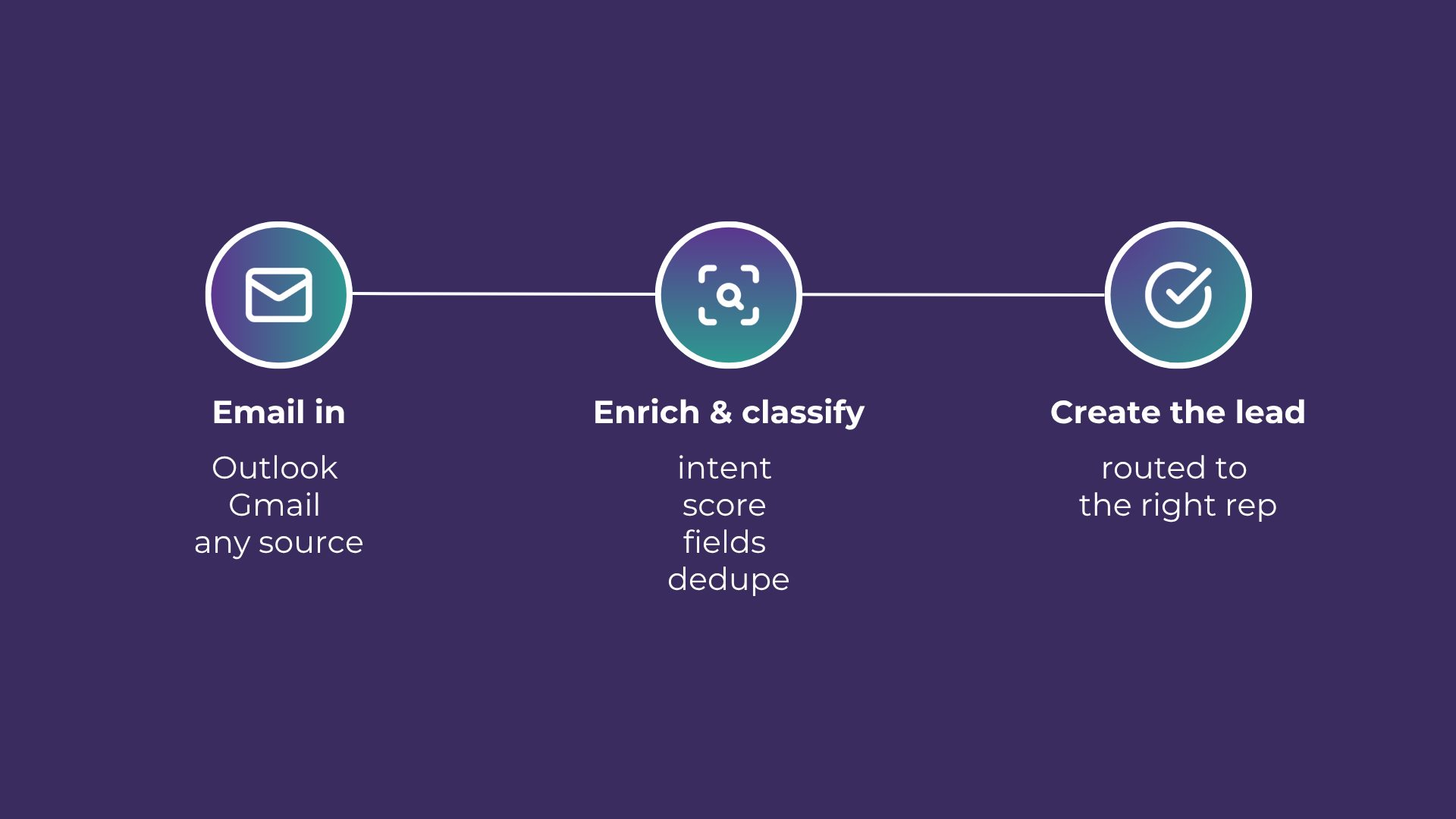
Email-to-Lead: Salesforce Lead Management with AI
Lead management is the lifeblood of any successful sales operation. At a time where customer expectations are higher than ever, ensuring that potential leads are captured and nurtured effectively can make all the difference. Introducing Email-to-Lead – AI Edition.
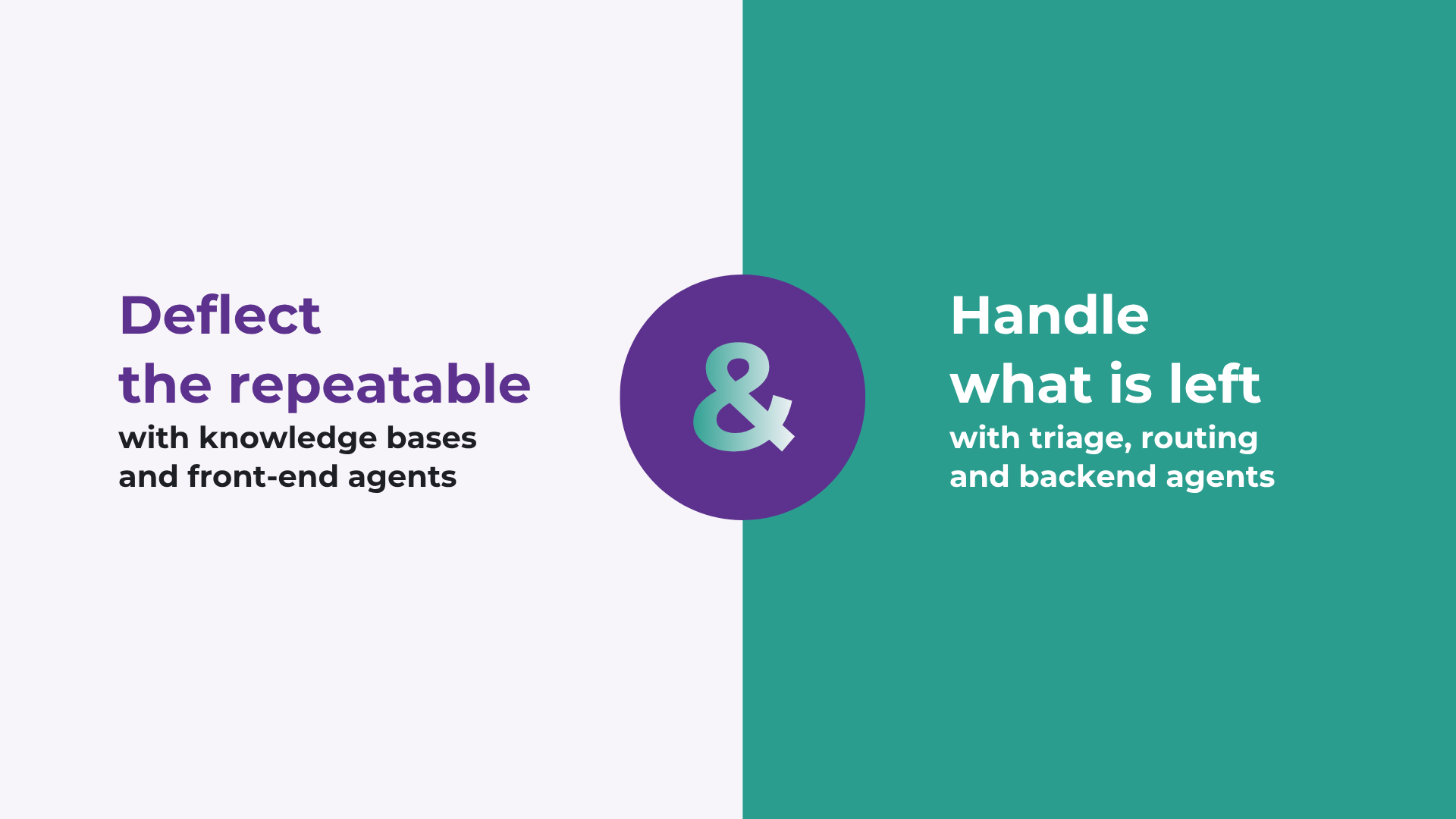
How to improve Salesforce case deflection rates
Deflection only solves half the problem. The cases that do not deflect are the ones that breach SLA. How to improve deflection rates, and how to handle what is left.

Stopping SLA Breaches in High Volume Salesforce Workflows
Learn how to move from reactive reporting to proactive management for better service level agreement adherence.
READY TO SEE IT IN ACTION
Map your workflows with our team.
30 minutes, no prep needed. We will map one workflow you handle today and identify where orchestration would change the outcome.