Managing the Full Patient Case Lifecycle in Salesforce

The Overlooked Middle of Patient Case Management
For complex healthcare pathways, metrics like first-response and case-closure times are insufficient. They can create a false sense of security by ignoring the crucial and often lengthy stages in between. This is the ‘unsupervised middle’ of a patient’s journey, where progress can stall and risks can accumulate unnoticed. Think of a multi-stage cancer treatment plan. Handoffs between oncology and radiology, dependencies on diagnostic results or patient-related variables all create hidden delays that a simple start-to-finish timer will never capture.
Many standard Salesforce case management for healthcare configurations treat patient cases like simple support tickets. This model is a poor fit for long-running and multi-stage clinical pathways. The mismatch leads to significant operational blind spots and makes processes fragile. When a case is not a single problem but a series of connected steps, managing it with a tool designed for one-off issues is bound to fail. Cases stagnate, information gets lost between teams and patient safety is compromised.
This is where patient case lifecycle supervision provides a better model. It is a framework for continuous oversight across every single stage of the journey. This is not about micromanaging clinicians. It is about building a system that maintains momentum, identifies bottlenecks and prevents cases from stagnating. For healthcare teams, this active supervision is fundamental to ensuring patient safety and delivering timely care.
The Hidden Costs of Unsupervised Case Journeys

Leaving the middle of a patient journey unsupervised has direct and damaging consequences. When no one is actively monitoring the progression of a case from one stage to the next, the process becomes vulnerable to failure. These failures manifest in several critical areas.
- Clinical Risks: Delays at specific stages – such as waiting for a specialist review or a social care package – can lead to missed follow-ups and delayed treatment. More seriously, a failure to act on deteriorating patient conditions can occur simply because a case is stuck in an administrative queue. Without active supervision, these risks remain invisible until a serious incident occurs.
- Compliance Implications: In the UK, unsupervised journeys directly threaten compliance with NHS waiting time targets. They also undermine the principles of responsive and safe care mandated by the Care Quality Commission (CQC). A lack of a clear audit trail for case progression is a major red flag for inspectors, making robust CQC compliance Salesforce configurations essential.
- Operational Drain: Teams get bogged down in ‘hidden work’. This is the time spent manually chasing updates, escalating issues outside of Salesforce and reconciling conflicting information from different departments. Every hour spent on this administrative churn is an hour not spent on direct patient care.
- Patient Experience: From the patient’s perspective, a disjointed journey erodes trust. The process feels confusing and opaque. They are left feeling forgotten or passed between departments without a clear point of contact or any sense of progress. This anxiety adds a significant emotional burden to their clinical condition.
| Factor | Unsupervised Journey (The Risk) | Supervised Journey (The Mitigation) |
|---|---|---|
| Clinical Safety | Delayed interventions and missed deterioration signals | Timely escalations based on stage duration triggers |
| Regulatory Compliance | Breaches of NHS targets and poor CQC audit trails | Automated checks and a clear, auditable case history |
| Operational Efficiency | High volume of manual ‘chaser’ activity and rework | Automated follow-ups and clear ownership at each stage |
| Patient Experience | Confusion, anxiety and loss of trust in the service | Proactive communication and a sense of managed progress |
This table contrasts the tangible outcomes of an unsupervised process with a supervised model, illustrating how lifecycle supervision directly addresses key areas of risk in healthcare operations.
Designing Adaptive Workflows for Lifecycle Supervision
Building a system for lifecycle supervision requires designing workflows that are both structured and flexible. For a Salesforce administrator or operations manager, the focus should be on creating a process that guides users while adapting to real-world complexity. This involves a few core steps.
- Map the Complete Journey: Effective patient journey mapping must go beyond your own team’s internal steps. It needs to define every possible stage, decision point and handoff. This includes interactions with external agencies like social care, other Salesforce for NHS trusts or third-sector providers. Only by mapping the entire ecosystem can you manage the full lifecycle.
- Build for Exceptions: It is a mistake to design workflows only for the ‘happy path’. Healthcare is full of variables. Use Salesforce Flow to create dynamic pathways that accommodate common exceptions – such as safeguarding alerts, patients who do not attend (DNA) or urgent clinical escalations. This ensures the process is resilient and does not break when faced with predictable complexities.
- Use Time-Based Automation: Configure healthcare workflow automation to actively monitor case progression. This means setting up rules that automatically flag or escalate a case if it remains in one stage for too long. For example, a case in the ‘Awaiting Specialist Review’ stage for over 10 days could trigger an alert to a service manager. This simple automation ensures no patient is left waiting indefinitely. For a technical foundation, a resource like the Salesforce Case Implementation Guide offers relevant documentation.
- Embed Compliance Checks: Use validation rules or screen flows to ensure protocol is followed at critical points. For instance, you could require a risk assessment to be completed before a case can be moved to the ‘Discharge Planning’ stage. This creates an auditable trail of adherence directly within Salesforce. The goal is to build a system that guides users toward compliant actions and improves healthcare operations.
One Metric That Reveals Lifecycle Bottlenecks

To manage the patient journey effectively, teams need the right signals. Many organisations rely on ‘average resolution time’ but this metric is deeply misleading. Averages hide the outliers – the small number of cases that experience extreme delays and represent the biggest clinical and operational risks. A healthy average can easily mask a process that is failing a significant minority of patients.
A more insightful signal is ‘stage duration variance’. This metric measures the consistency in how long cases spend in any given stage of their journey. A low variance means you have a predictable and reliable process. A high variance, however, signals inconsistency and points to a potential bottleneck that needs investigation. It tells you that the experience of getting through that stage is unpredictable.
Consider a practical example. The average time for cases in the ‘Awaiting Diagnostic Report’ stage might be a healthy three days. But a high variance could reveal that while most cases pass through quickly, a few get stuck for weeks. This is not an isolated problem with one or two cases. It points to a systemic issue – perhaps with a specific lab, a type of test or a communication breakdown. By using standard Salesforce reports and dashboards to monitor this variance, managers gain a proactive tool to investigate bottlenecks before they escalate into serious delays or clinical incidents.
From Reactive Queues to Proactive Oversight
Effective Salesforce case management for healthcare demands a fundamental shift in perspective. It requires moving away from managing static queues and toward actively supervising dynamic patient journeys. Patient case lifecycle supervision is the operational model that enables this shift. It is not a feature to be installed but a framework for building safer, more efficient and compliant processes at scale. By providing continuous oversight, teams can ensure every patient’s journey moves forward with purpose and clarity. For further exploration of operational excellence frameworks, you can visit our website.
Ask an Expert any question about patient case lifecycle supervision by emailing sales@ortooapps.com.
Related insights
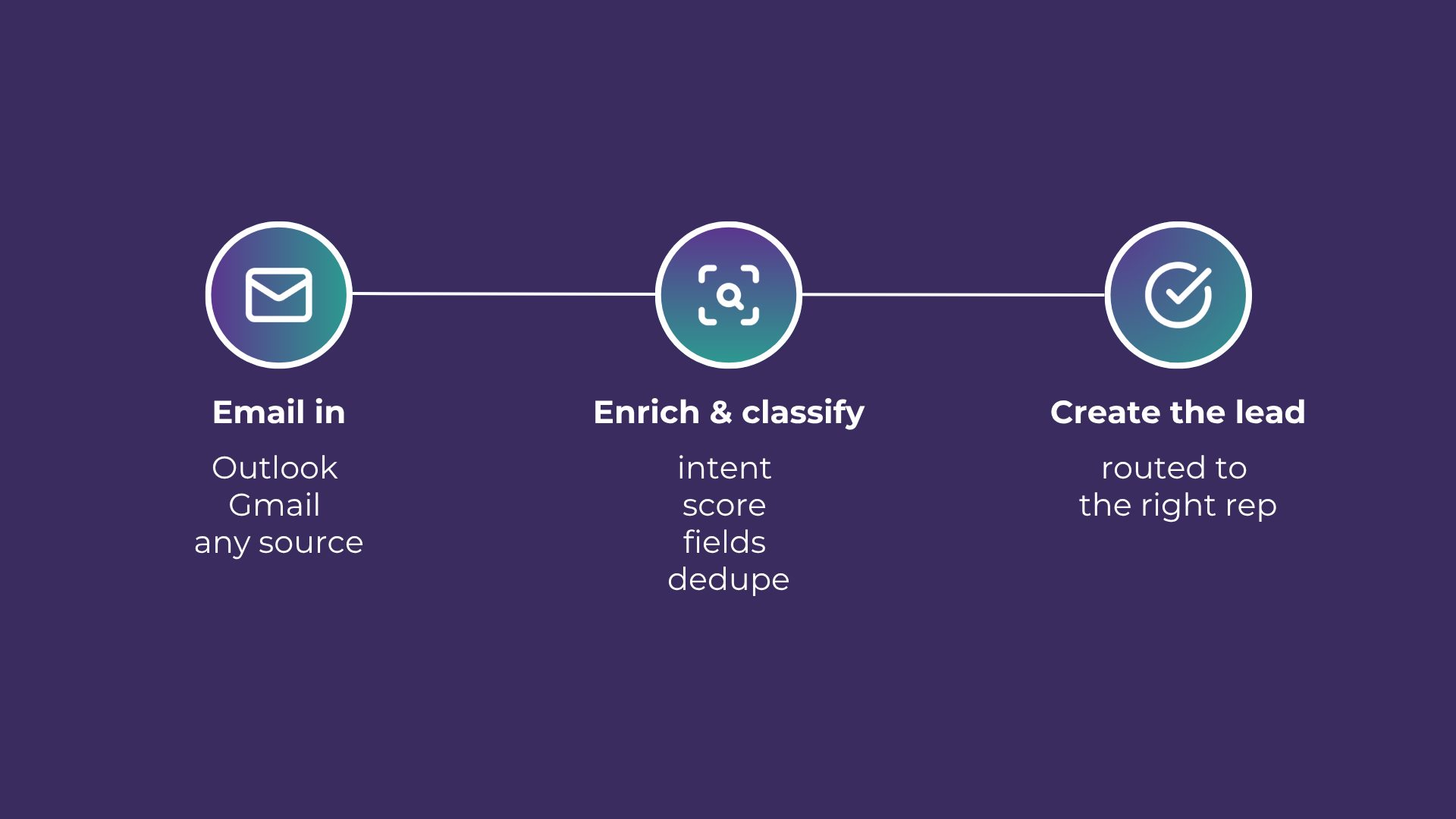
Email-to-Lead: Salesforce Lead Management with AI
Lead management is the lifeblood of any successful sales operation. At a time where customer expectations are higher than ever, ensuring that potential leads are captured and nurtured effectively can make all the difference. Introducing Email-to-Lead – AI Edition.
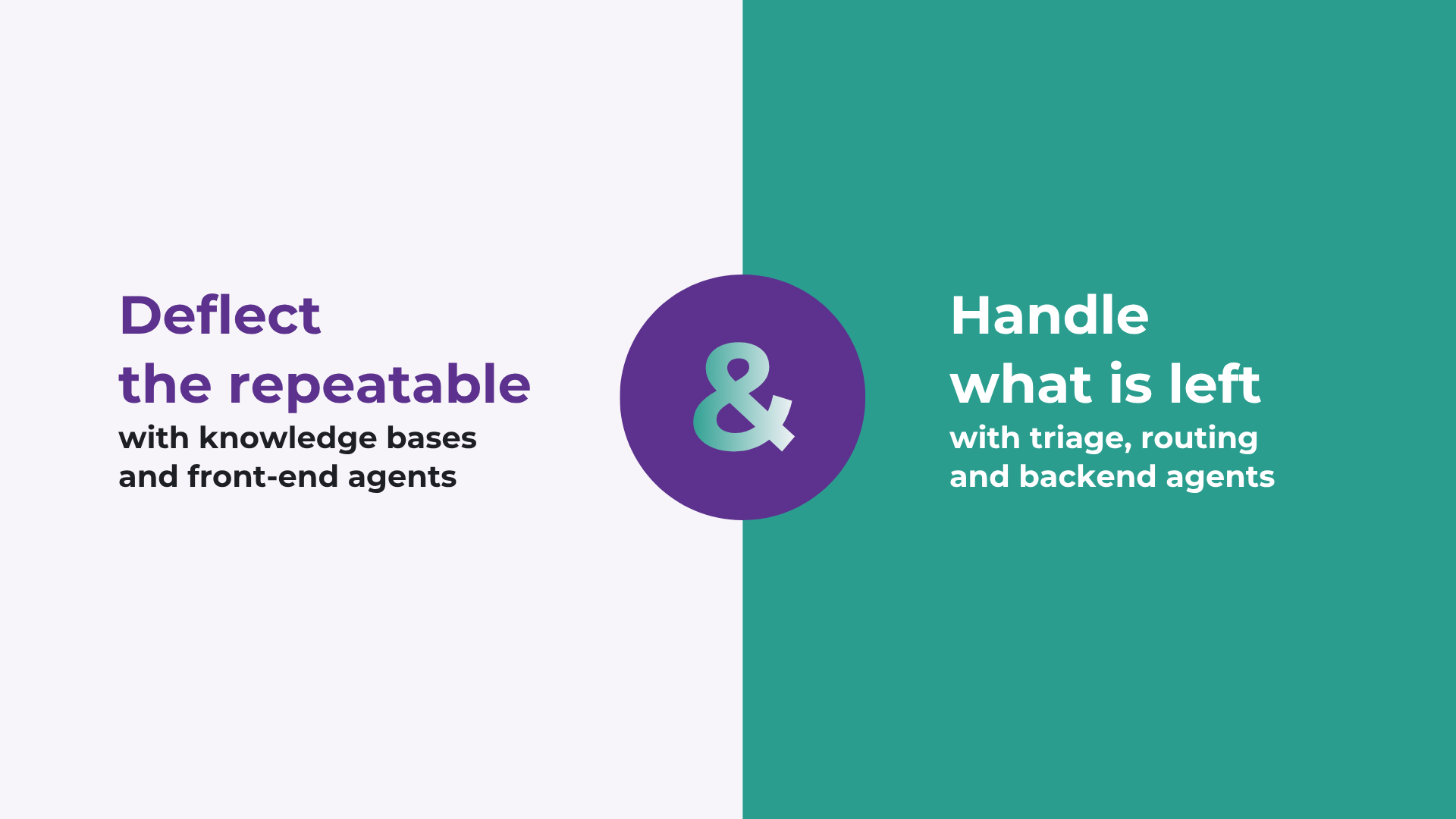
How to improve Salesforce case deflection rates
Deflection only solves half the problem. The cases that do not deflect are the ones that breach SLA. How to improve deflection rates, and how to handle what is left.

Stopping SLA Breaches in High Volume Salesforce Workflows
Learn how to move from reactive reporting to proactive management for better service level agreement adherence.
READY TO SEE IT IN ACTION
Map your workflows with our team.
30 minutes, no prep needed. We will map one workflow you handle today and identify where orchestration would change the outcome.