Building Scalable Salesforce Lead Assignment Models for Finance Teams

Most financial services firms misjudge lead assignment as a simple administrative task. This view is a significant oversight. In a regulated market the speed and precision of lead handling define the client experience and compliance posture. Standard Salesforce assignment rules are a common starting point but they quickly become a bottleneck as a firm grows.
The Hidden Flaw in Standard Lead Assignment
The core challenge is that basic rules cannot handle the complexities of financial services lead routing. They fail to account for fair lead distribution among advisers who have different specialisations. They cannot manage individual capacity which leads to adviser burnout and inconsistent performance. Most critically they struggle to enforce the strict Service Level Agreements (SLAs) often tied to regulatory requirements.
This creates a system where high-value mortgage enquiries might be sent to a wealth management specialist or a top-performing adviser becomes overwhelmed while others have capacity to spare. The fundamental flaw is treating lead assignment as a linear process. It is not a simple queue. It is a dynamic orchestration challenge where adviser expertise client needs and response times must be balanced instantly.
A static approach simply cannot keep up in a high-stakes environment. When a client is seeking urgent financial advice their first interaction is a direct reflection of the firm’s competence. A slow or incorrect handoff is more than a missed opportunity it is a broken promise.
The Compounding Cost of Inefficient Routing

The flawed model described previously creates costs that multiply over time. These are not isolated issues but interconnected problems that constrain growth. The damage manifests in three distinct areas.
- Adviser Dissatisfaction and Turnover: When lead distribution feels arbitrary or unfair it directly impacts morale. Top performers get overloaded with complex cases while newer advisers may not get the opportunities they need to develop. This imbalance creates resentment and leads to higher staff turnover which is expensive both financially and in lost expertise.
- Financial and Reputational Damage: Failing to meet an SLA on a high-value lead is not just a lost sale. In financial services it can trigger compliance reviews and damage client trust. A reputation for being unresponsive is difficult to repair and can have long-term consequences for client acquisition.
- An Invisible Drag on Growth: A model that is inefficient for ten advisers becomes unmanageable for fifty. Teams create manual workarounds and spreadsheets to compensate for the system’s failings. This administrative burden consumes valuable operational resources that should be focused on client service and business development. These small inefficiencies create significant barriers to scaling the business and are a common challenge in improving core business operations.
A Dynamic Model for Fair and Scalable Distribution
The solution is to move from static rules to a dynamic attribute-based assignment model. This approach uses more advanced Salesforce automation like Flow to handle complex logic and create a system that adapts to real-time conditions. Building effective Salesforce lead assignment models requires a focus on orchestration not just routing. A truly scalable lead distribution system has several key components.
- Capacity-Aware Routing: The system should know an adviser’s current workload. Instead of assigning leads blindly it distributes them based on who has the capacity to act immediately. This prevents overload and creates a self-balancing system where work is shared equitably.
- Weighted Distribution: Not all leads are equal and not all advisers have the same skills. A dynamic model can route leads based on multiple factors. For example it can assign complex mortgage applications to senior advisers or route leads from a specific marketing campaign to product specialists. This ensures the right expert handles the right opportunity.
- SLA-Driven Logic: The model must have built-in timers and escalation paths. If a lead approaches its response deadline without action it can be automatically flagged or reassigned to an available team member. This proactive monitoring ensures no opportunity is neglected. According to industry guides from sources like HubSpot this dynamic approach is critical where response times directly impact conversion.
This shift in thinking is fundamental for any financial services firm looking to grow. For a deeper look at the mechanics you can explore how to build better lead assignment models in Salesforce.
Comparing Static Rules vs. a Dynamic Assignment Model
| Factor | Static Assignment Rules | Dynamic Assignment Model |
|---|---|---|
| Logic Basis | Fixed criteria (e.g. postcode) | Multiple attributes (e.g. capacity skill SLA) |
| Capacity Management | None – leads assigned regardless of workload | Actively balances load based on real-time data |
| Fairness | Prone to imbalance and cherry-picking | Ensures equitable opportunity distribution |
| Scalability | Brittle – requires constant manual updates | Adapts to team growth and changing priorities |
One Metric That Reveals Assignment Health

To understand the health of your lead assignment model you need to look beyond simple metrics. Time-to-Assignment is not enough. It measures an internal process step not the client experience. The single most insightful metric is Time-to-First-Meaningful-Action.
This metric tracks the duration from lead creation to the moment an adviser takes a substantive step like making a call or sending a personalised email. It reveals the true client wait time. Consistently high times for certain advisers could signal capacity issues or a need for more training. High times across the entire team suggest a systemic bottleneck in your process.
Crucially this metric should be used for process improvement not performance punishment. It provides an objective data point to start conversations. Is the workload balanced correctly? Do advisers have the information they need to act quickly? Is the assignment logic itself causing delays? Answering these questions is the key to refining your model and improving the client journey.
Sustaining Your Assignment Model
A scalable lead distribution system is not a one-time project. It is a dynamic model that must evolve with your business. It requires regular review using performance data and direct feedback from your advisory team. The goal is to design an orchestration pattern that balances fairness capacity and speed to support growth rather than hinder it.
Building a robust model is about creating a system that is both intelligent and resilient. Evaluating the right automation strategy is a critical next step in achieving this. Ask an Expert any question about building scalable lead assignment models by emailing sales@ortooapps.com.
Related insights
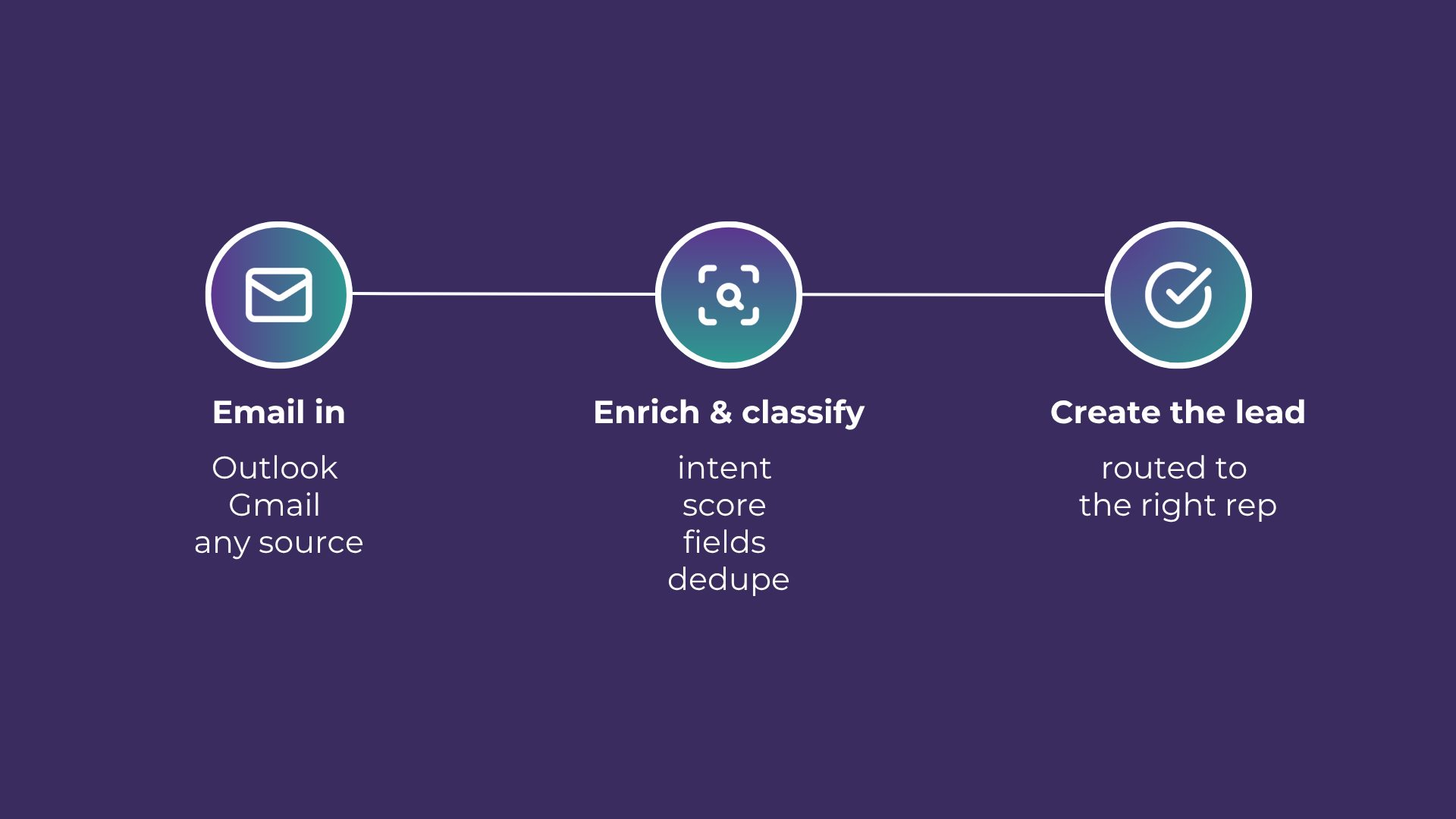
Email-to-Lead: Salesforce Lead Management with AI
Lead management is the lifeblood of any successful sales operation. At a time where customer expectations are higher than ever, ensuring that potential leads are captured and nurtured effectively can make all the difference. Introducing Email-to-Lead – AI Edition.
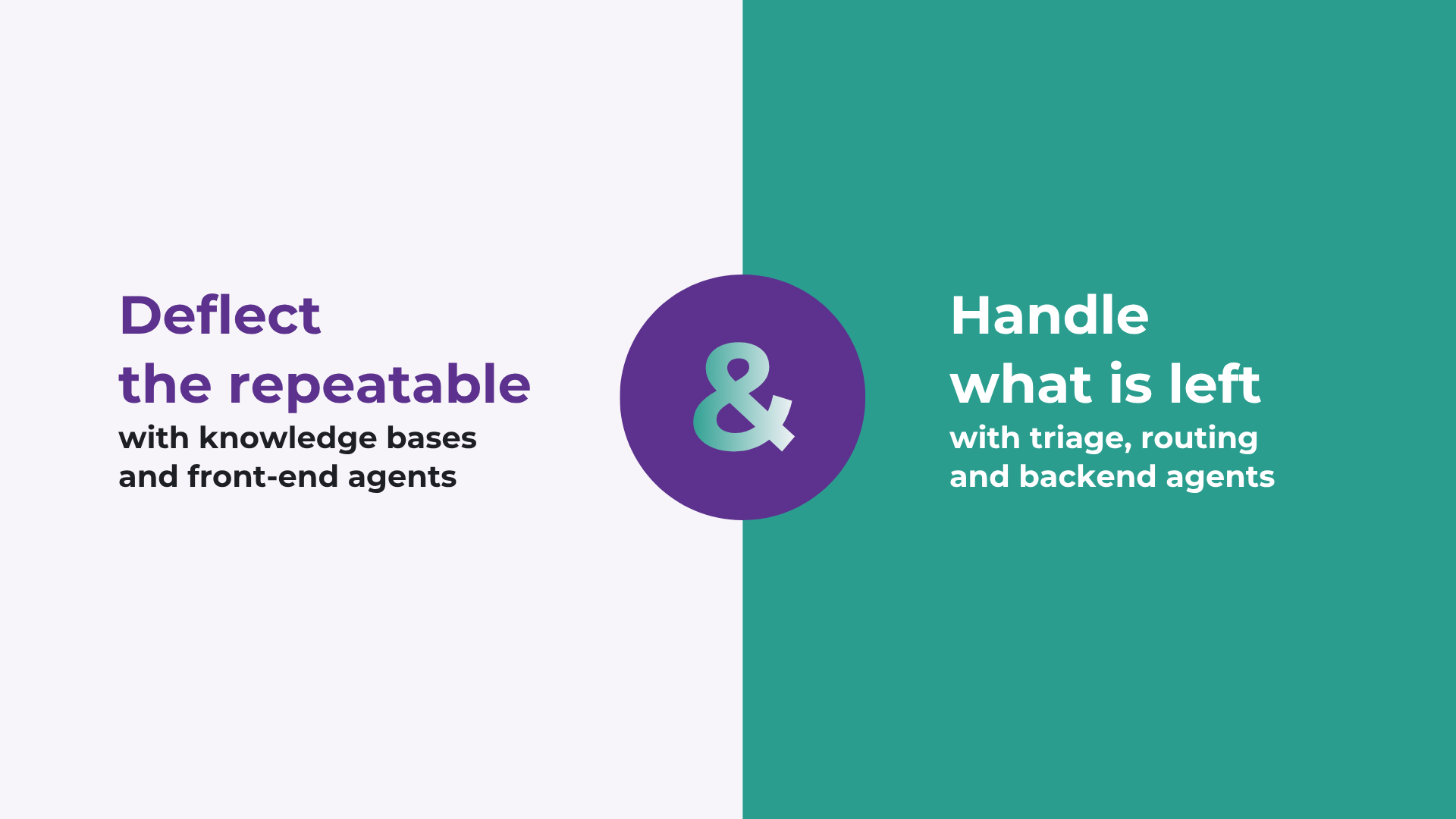
How to improve Salesforce case deflection rates
Deflection only solves half the problem. The cases that do not deflect are the ones that breach SLA. How to improve deflection rates, and how to handle what is left.

Stopping SLA Breaches in High Volume Salesforce Workflows
Learn how to move from reactive reporting to proactive management for better service level agreement adherence.
READY TO SEE IT IN ACTION
Map your workflows with our team.
30 minutes, no prep needed. We will map one workflow you handle today and identify where orchestration would change the outcome.