Building Resilient Salesforce Workflows for Financial Services SLAs

Many financial services firms misjudge Service Level Agreements. They treat them as static deadlines to be configured once in Salesforce and then tracked. This is a fundamental error. In the UK’s financial market – where customer expectations and regulations shift constantly – a rigid approach to SLA management in Salesforce does not just bend under pressure it breaks.
This static view fails to recognise SLAs for what they are – active operational contracts that demand constant orchestration. When an unexpected market event causes a surge in claims or a key team member is suddenly unavailable the workflow must adapt. A simple timer counting down to a deadline offers no intelligence and no resilience. The goal must shift from passive tracking to proactive management. This requires building Salesforce workflows for financial services that can respond to changing workloads and exceptions in real time not just report on them after the fact.
The Escalating Cost of Brittle Workflows
The consequences of a static workflow design extend far beyond a single missed deadline. The costs escalate quickly and impact operations regulation and strategy. First is the direct operational damage. When a rigid process fails it creates an exception queue. This queue does not resolve itself. It requires manual intervention from skilled staff who are pulled away from high-value work to perform tedious data correction and case rerouting. They become permanent firefighters in a system that was supposed to automate their work.
Next is the regulatory and reputational harm. The Financial Conduct Authority has made operational resilience a core focus. An SLA breach is not just a customer service issue it can be interpreted as evidence of systemic failure. A pattern of breaches suggests a firm cannot manage its core processes under stress – a clear signal of inadequate controls that can attract significant fines and erode client trust. We have all seen headlines about operational failures and the long-term brand damage they cause.
Finally there is the hidden strategic cost. A brittle workflow creates an invisible ceiling on growth. It might function adequately at low volumes but it will fracture when the business tries to scale. The inability to handle increased transaction loads or onboard new teams without constant manual workarounds prevents the firm from seizing market opportunities. The workflow itself becomes the primary obstacle to achieving strategic goals. This is how operational debt quietly suffocates ambition.
A Pattern for Dynamic SLA Orchestration

Building resilient Salesforce workflows requires a shift from reactive tracking to proactive orchestration. This is not about adding more alerts. It is about designing systems that anticipate and manage variance. A repeatable pattern for achieving this involves three core practices that rely on modern Salesforce orchestration models.
First is the use of internal SLAs for proactive monitoring. Instead of only tracking the final customer-facing deadline firms should use Salesforce features like Entitlements and Milestones to monitor internal handoffs between teams. A delay in the initial compliance check for example can trigger an internal warning long before the client’s deadline is at risk. This creates early warning signals that allow managers to resolve bottlenecks before they impact the customer.
Second is the implementation of adaptive processes with Flow Orchestration. Rigid linear workflows are the source of fragility. The modern alternative is a dynamic multi-step process that can route work intelligently. As Salesforce Trailhead explains Flow Orchestration is designed to handle complex multi-user processes. This allows workflows to make decisions based on real-time data like case complexity team availability or workload distribution. A high-value case can be routed to a senior specialist while a standard inquiry is handled by an automated path. This is central to modernising how firms manage their critical operations.
Third is the practice of systematising failure with reusable fault paths. An error should not cause a process to halt and wait for manual rescue. Instead it should trigger a standardised autolaunched flow. This fault path can log the error’s context notify the correct system administrator and initiate a recovery or escalation process. This approach contains the impact of the failure and ensures every error produces a consistent auditable response. It turns failures from chaotic events into manageable operational data.
Warning Signals of Workflow Fragility
Teams can identify brittle workflows long before a major failure by monitoring the right signals. Simplistic metrics like average handling time often hide underlying problems. Instead two other indicators provide a much clearer view of systemic risk.
The first signal is a consistently growing exceptions queue. This is the collection of cases that have fallen out of the automated process and require manual correction. A rising number of exceptions is a direct measure of the gap between the designed workflow and operational reality. It proves the process cannot handle the natural variations of day-to-day work. When you see skilled analysts spending more time fixing records than doing their actual jobs you are seeing a fragile system in action.
The second signal is high variance in stage completion times. It is not enough to know the average time a case spends in a particular stage. You need to monitor the distribution. If some cases pass through a compliance check in minutes while others get stuck for days it points to a hidden bottleneck or inconsistent routing logic. High variance is a classic indicator of an unpredictable and unreliable process. These signals are not just performance metrics they are early warnings of systemic risk that allow teams to act before a small crack becomes a complete fracture.
Closing the Loop with Embedded Compliance

Ultimately workflow resilience is inseparable from financial services compliance. Compliance cannot be a final checklist item or a periodic audit. It must be embedded directly into the design of the workflow itself. A resilient process is compliant by design.
For example a workflow for onboarding a new client can automatically trigger an enhanced due diligence step if the transaction value exceeds a certain threshold or involves a high-risk jurisdiction. This is not an optional path it is a required stage gate built into the process logic. The primary benefit of this approach is that it transforms compliance from a manual review into a continuous automated control.
This reduces the risk of non-compliance and creates a clear auditable trail for every single case. Regulators can see not just the outcome but the exact steps taken to reach it. A workflow that carries unmanaged compliance risk is by definition not resilient. It has a built-in point of failure waiting to be exposed by the next audit or regulatory inquiry.
Building resilient systems is about moving from static rules to dynamic orchestration. Ask an Expert any question about building resilient Salesforce workflows for financial services by emailing sales@ortooapps.com.
Related insights
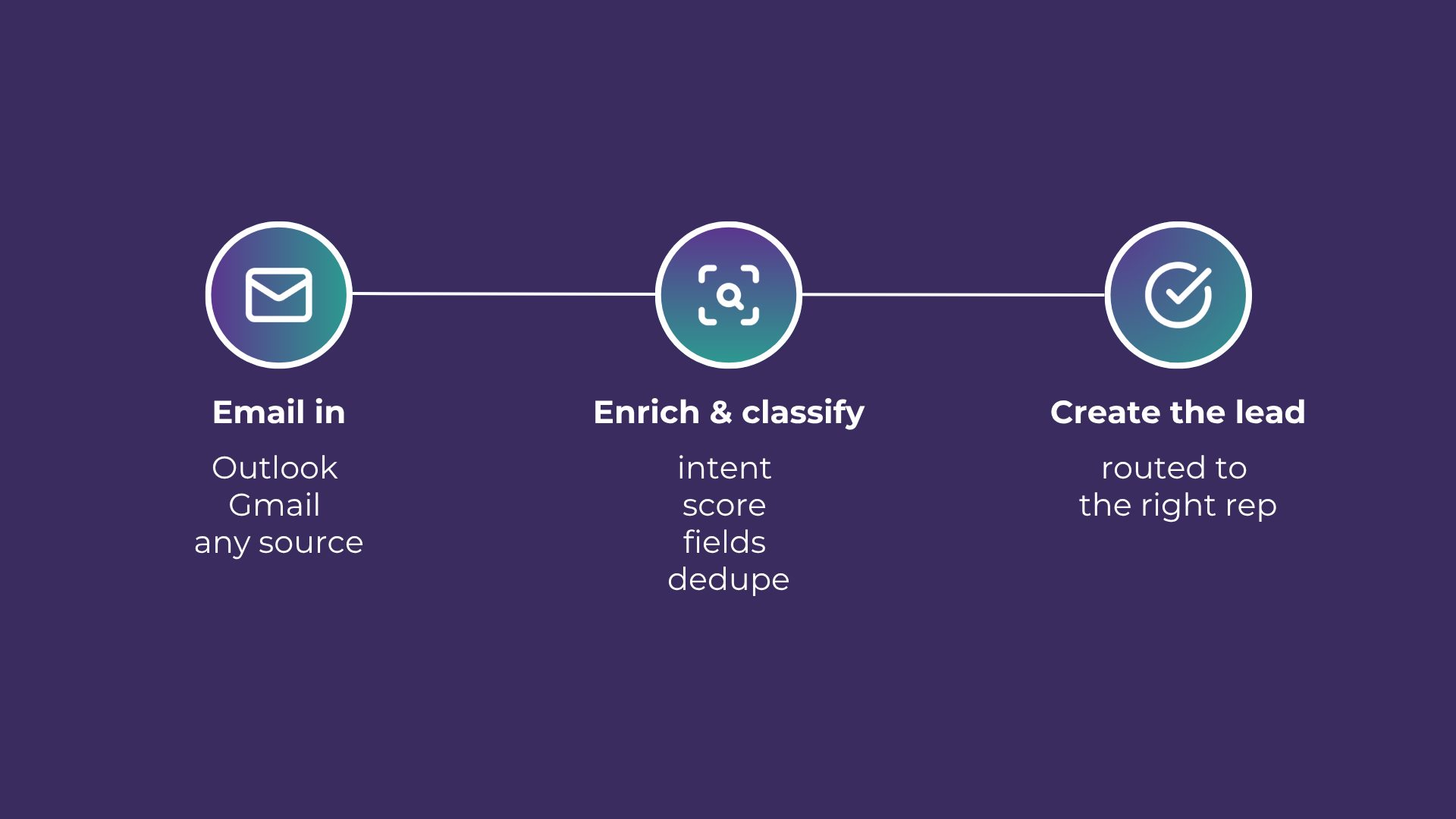
Email-to-Lead: Salesforce Lead Management with AI
Lead management is the lifeblood of any successful sales operation. At a time where customer expectations are higher than ever, ensuring that potential leads are captured and nurtured effectively can make all the difference. Introducing Email-to-Lead – AI Edition.
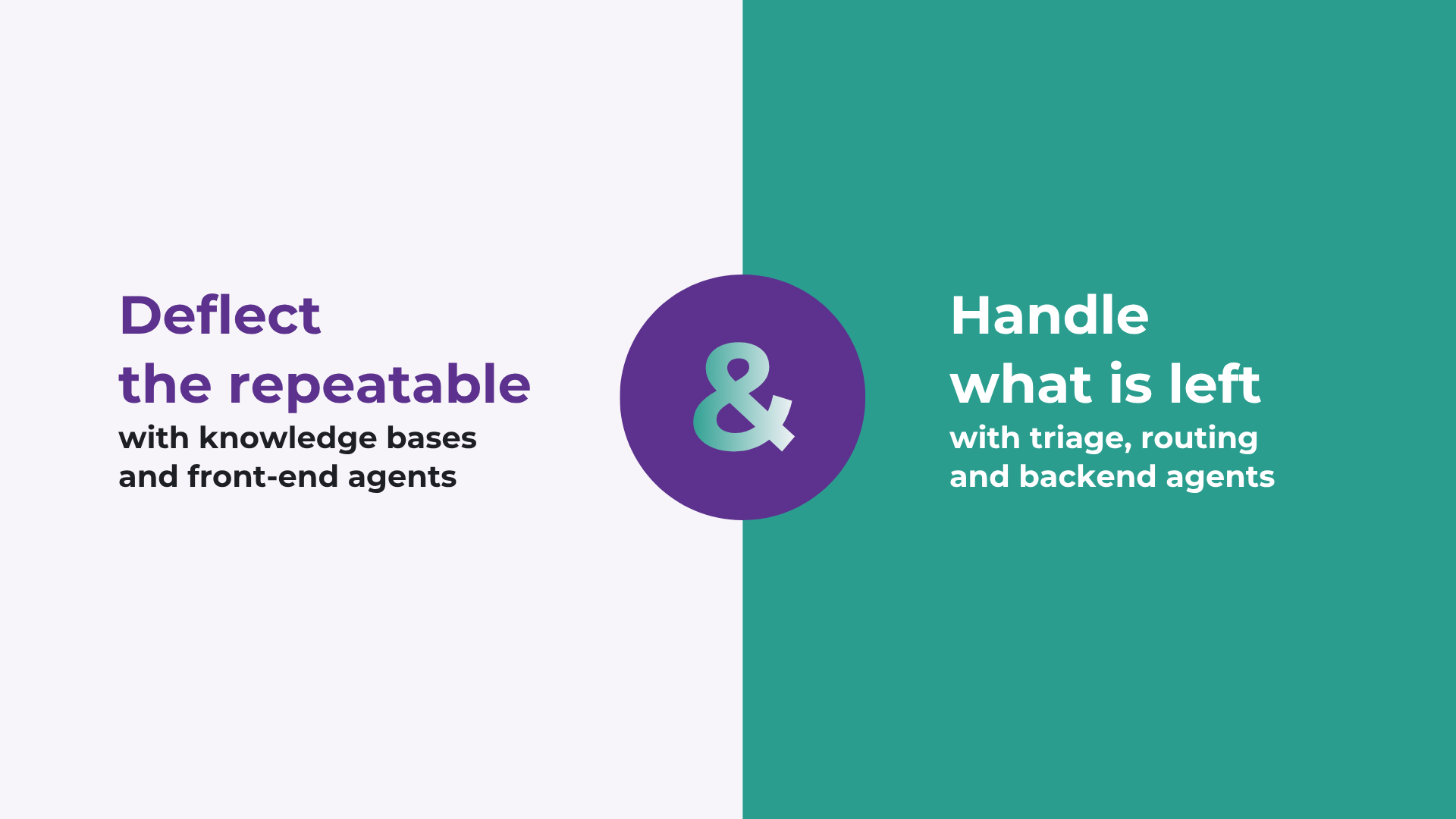
How to improve Salesforce case deflection rates
Deflection only solves half the problem. The cases that do not deflect are the ones that breach SLA. How to improve deflection rates, and how to handle what is left.

Stopping SLA Breaches in High Volume Salesforce Workflows
Learn how to move from reactive reporting to proactive management for better service level agreement adherence.
READY TO SEE IT IN ACTION
Map your workflows with our team.
30 minutes, no prep needed. We will map one workflow you handle today and identify where orchestration would change the outcome.