When to use an AI agent in Salesforce (and when to use a rule)
"Can this be an agent?" comes up in every Salesforce meeting now. How to decide when an agent earns its place, plan for the cases it can't finish, and get the handoff right.
BLOG
Working notes, architecture patterns, customer perspectives, and field-tested ideas from the Ortoo Orchestrator team.
"Can this be an agent?" comes up in every Salesforce meeting now. How to decide when an agent earns its place, plan for the cases it can't finish, and get the handoff right.

AI agent governance is about what an AI agent is allowed to do in production, not what it is capable of doing. The two get confused constantly, and a security incident in July 2026 showed why the difference matters – also in your Salesforce org.

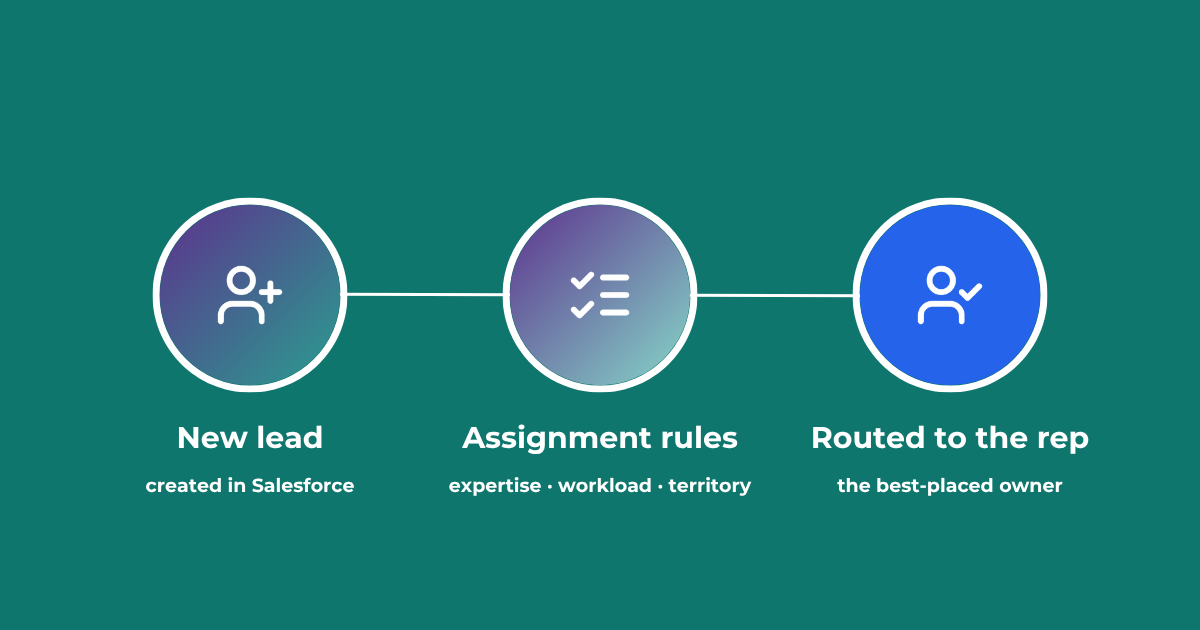
This comprehensive guide to optimizing lead assignment rules in Salesforce will stand you in good stead for maximizing your sales reps’ productivity and performance. Understand the benefits of highly effective lead assignment, explore Salesforce best practices and stay ahead of the competition – with added insights into AI-driven revenue orchestration

Lead to account matching connects every inbound lead to the right account in Salesforce. Here is how it works, where it breaks, and how to automate it without manual data entry.

The market is using one word, AI, for three different things. Automation runs steps, an autonomous agent makes calls, orchestration runs the operation. A down to earth guide to the difference, and how to tell which a given workflow needs.

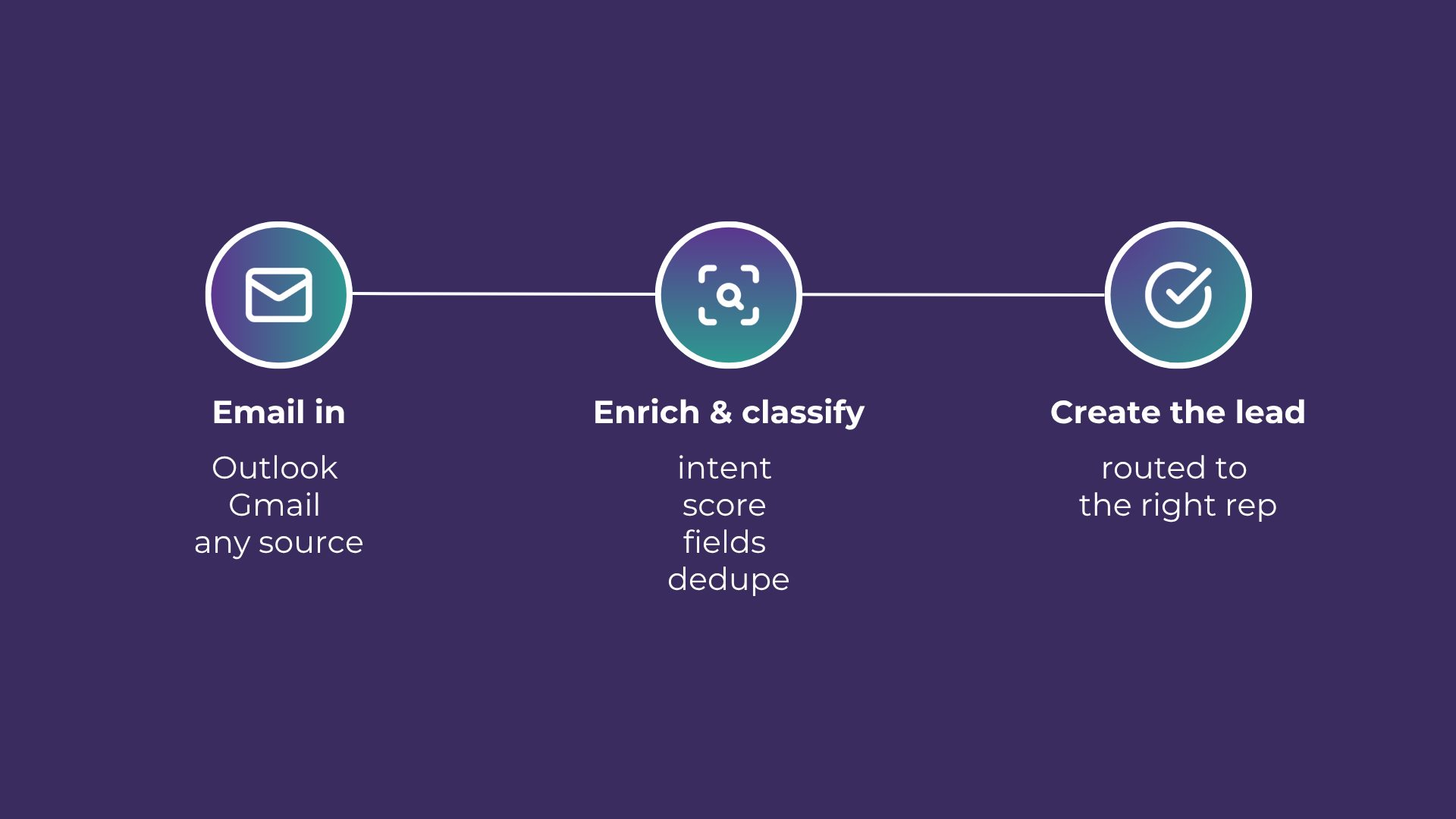
Lead management is the lifeblood of any successful sales operation. At a time where customer expectations are higher than ever, ensuring that potential leads are captured and nurtured effectively can make all the difference. Introducing Email-to-Lead – AI Edition.

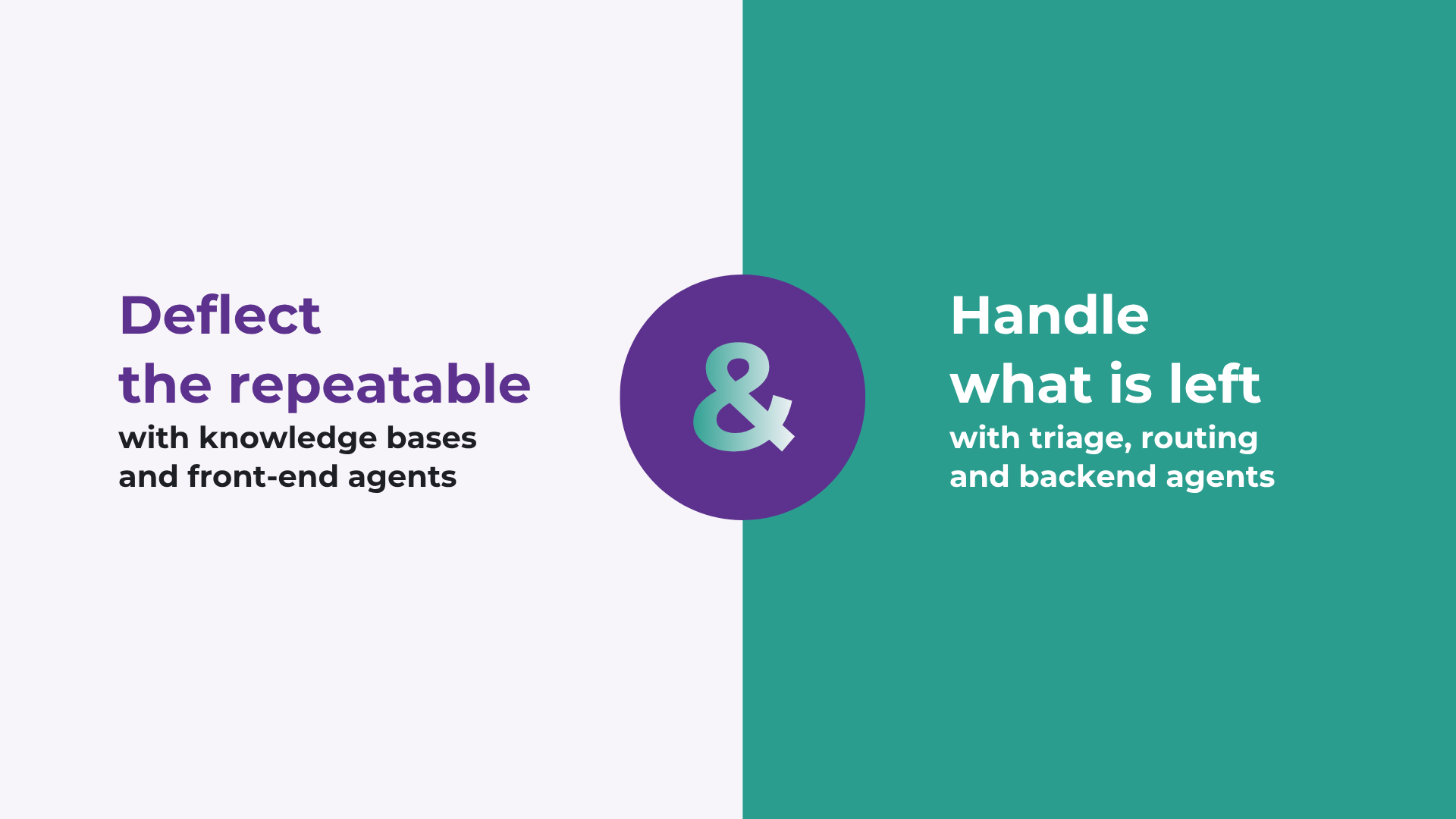
Deflection only solves half the problem. The cases that do not deflect are the ones that breach SLA. How to improve deflection rates, and how to handle what is left.

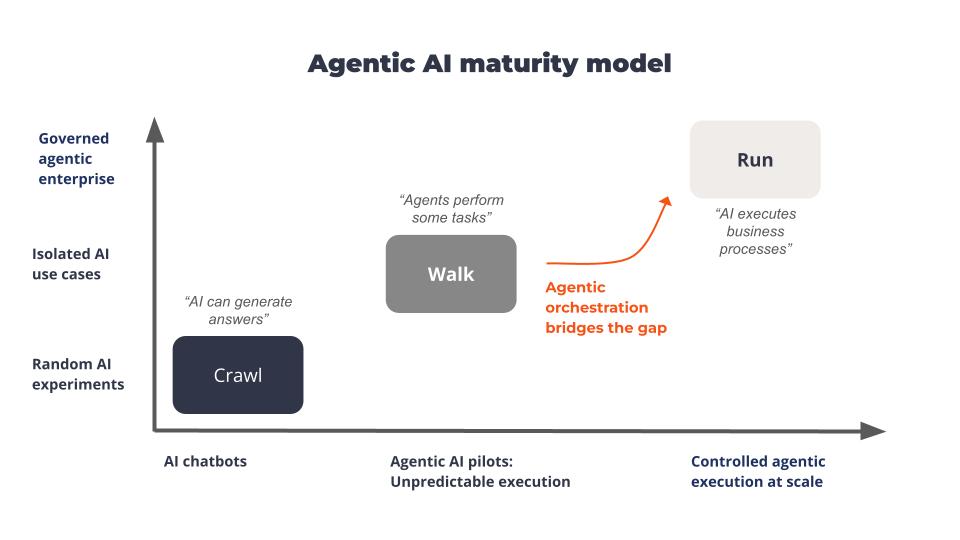
Agentforce is advancing, but not scaling. Here’s why execution, control, and orchestration are the real blockers to agentic AI in Salesforce.

Salesforce workflows don’t break because of missing automation. They break because no single system defines what should happen. Here’s what actually fixes it.

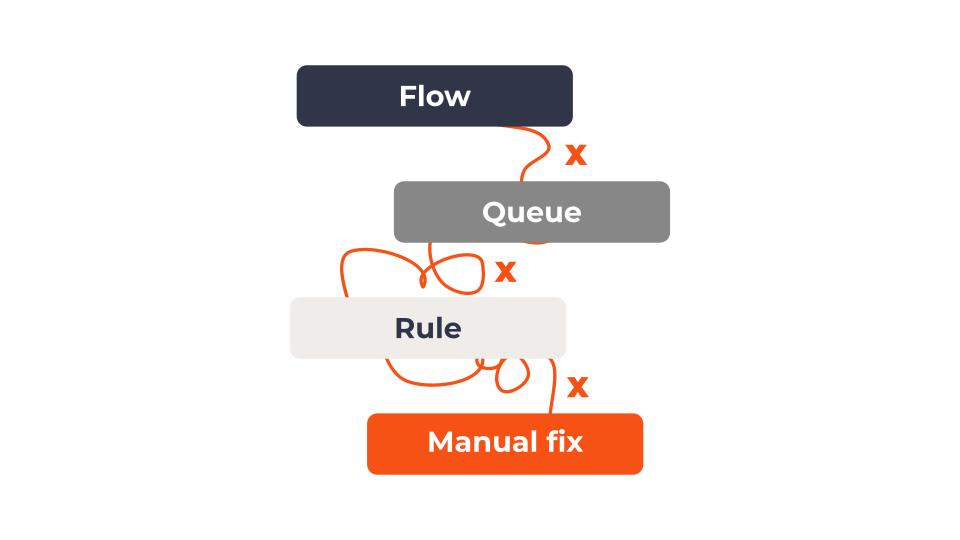
Adding more flows and rules doesn’t fix Salesforce workflows. It creates complexity. Here’s why systems become harder to manage, and why issues keep coming back.

Salesforce’s shift to Agentforce and Headless 360 makes everything callable. Without control over how work executes end to end, it simply exposes the same fragmented workflows and scales their inconsistencies.

Salesforce is moving from automation to agentic execution. Orchestration is the control layer that keeps operational work predictable. A new chapter for Ortoo.

AI and Agentforce can speed up triage by interpreting requests, but without a clear way to translate that understanding into consistent action, faster classification still leads to inconsistent outcomes.
STAY POSTED
Workflow orchestration patterns, AI governance updates, customer stories, practical tips to run operations on Salesforce.
READY TO SEE IT IN ACTION
30 minutes, no prep needed. We will map one workflow you handle today and identify where orchestration would change the outcome.